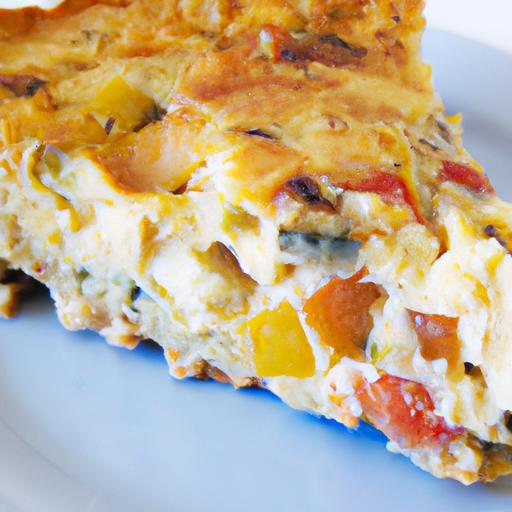

As the seasons shift and nature’s palette transforms, our menus can follow suit with vibrant, fresh ingredients that celebrate the best each time of year has to offer. Enter the vegetarian frittata: a versatile, wholesome dish that effortlessly adapts to whatever’s ripe and ready. From spring’s tender asparagus and peas to autumn’s earthy mushrooms and roasted squash, frittatas invite us to savor the seasons in every colorful, flavorful slice.In this article, we’ll explore a collection of delectable vegetarian frittata recipes that not only nourish the body but also inspire your culinary creativity-proving that eating with the cycle of nature can be as tasty as it is delightful.
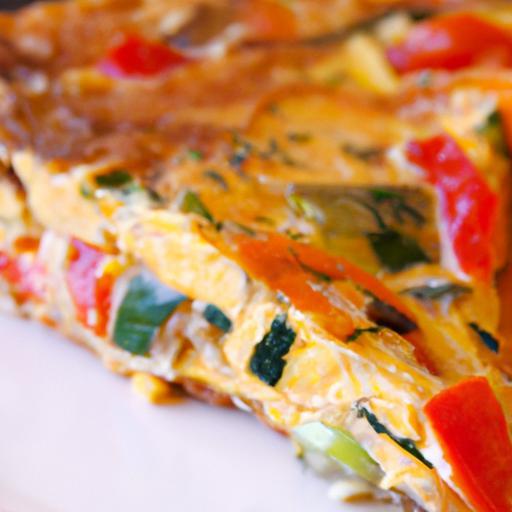
Savor the Seasons: Delicious Vegetarian Frittata Recipes come alive with the fresh flavors of spring, especially featuring vibrant asparagus and tender peas. This light yet satisfying dish embodies the essence of renewal, capturing the crisp bite of spring’s bounty in every forkful. Originating from conventional Italian cuisine,the frittata has long been celebrated for its versatility and rustic charm. Incorporating delicate spring vegetables like asparagus and peas elevates this classic into a radiant, nourishing meal perfect for any time of day.
Prep and Cook Time
- Readiness: 15 minutes
- Cooking: 20 minutes
- Total Time: 35 minutes
Yield
Serves 4
Difficulty Level
Easy
Ingredients
- 8 large eggs, lightly beaten
- 1 cup fresh asparagus, trimmed and cut into 1-inch pieces
- 1/2 cup fresh peas (shell or frozen, thawed)
- 1 small shallot, finely chopped
- 2 tablespoons olive oil
- 1/2 cup crumbled feta cheese
- 1/4 cup fresh basil leaves, chopped
- Salt and freshly ground black pepper, to taste
- 1 tablespoon lemon zest
- 1 teaspoon fresh thyme leaves
Instructions
- Preheat your oven to 375°F (190°C) and select an oven-safe skillet, roughly 10 inches in diameter.
- Heat olive oil in the skillet over medium heat. Add the chopped shallot and sauté until translucent, about 2-3 minutes, stirring occasionally to avoid burning.
- Add asparagus pieces to the skillet and cook until they turn a vibrant green and are just tender, approximately 5 minutes. Stir occasionally for even cooking.
- Stir in the peas, thyme, and lemon zest and cook for an additional 1-2 minutes, allowing the flavors to meld beautifully.
- In a separate bowl, whisk the eggs thoroughly with a pinch of salt and pepper. Add the chopped basil and half of the crumbled feta to the eggs.
- Pour the egg mixture evenly over the vegetables in the skillet. Let it cook undisturbed on the stovetop over medium-low heat for about 4 minutes until the edges begin to set but the center remains slightly runny.
- Sprinkle the remaining feta cheese on top,then transfer the skillet to the preheated oven. Bake for 10-12 minutes or until the frittata is puffy,golden,and fully set.
- Remove from oven and let it rest for 5 minutes before slicing. This allows the flavors to settle and makes serving easier.
Chef’s Tips for Success
- For perfectly cooked vegetables, avoid overcooking the asparagus and peas-they should remain bright and crisp to provide texture contrast against the creamy eggs.
- If fresh peas aren’t available,substitute with frozen shelled peas,fully thawed and drained.
- Use a non-stick or well-seasoned cast-iron skillet to ensure effortless sliding of the frittata onto a serving plate.
- Make it ahead by assembling the frittata and refrigerating raw overnight; just add a few extra minutes to the baking time if cooking straight from the fridge.
- For vegan variations, swap eggs with a chickpea flour batter and omit the feta, or replace with a plant-based cheese option.
Serving Suggestions
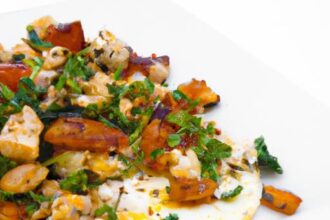
Present this asparagus and pea frittata with a drizzle of extra virgin olive oil and a sprinkle of freshly cracked black pepper. Garnish with additional basil leaves and thin lemon slices for that bright spring touch. Pair with crusty sourdough bread or a side green salad tossed in a light vinaigrette to complement the frittata’s fresh, herbal notes. This dish also shines when accompanied by a glass of chilled sparkling water with mint or a mild herbal tea.

| Nutrient | Amount per Serving |
|---|---|
| Calories | 220 kcal |
| Protein | 14 g |
| Carbohydrates | 8 g |
| Fat | 15 g |
Discover more ways to use seasonal vegetables in your cooking by reading our comprehensive vegetarian seasonal recipes guide. For an expert overview on the nutritional benefits of spring vegetables like asparagus,visit Healthline’s asparagus benefits.
Q&A
Q&A: Savor the Seasons – Delicious Vegetarian Frittata Recipes
Q1: What makes a frittata the perfect dish to celebrate the seasons?
A: Frittatas are wonderfully versatile because they act like a blank canvas for fresh, seasonal ingredients. Whether it’s the vibrant asparagus of spring, sun-ripened tomatoes and zucchini in summer, earthy mushrooms and squash in fall, or hearty kale and root veggies in winter, a frittata effortlessly highlights the best each season has to offer. Plus, they’re quick, nutritious, and eye-catching-ideal for any time you want to savor seasonal flavors.
Q2: How can I best choose vegetables for a seasonal vegetarian frittata?
A: First, look to farmers’ markets or your local grocery’s produce section for what’s freshest and most abundant. Such as, in spring, think peas, leeks, and ramps; summer inspires peppers, eggplants, and fresh herbs; fall brings butternut squash, sweet potatoes, and kale; while winter calls for Brussels sprouts, beets, and hearty greens like Swiss chard. Pair these with complementary cheeses and spices to pump up the flavor.
Q3: Are there any essential tips for making the perfect vegetarian frittata?
A: Absolutely! Start by sautéing your vegetables so they’re tender and flavorful before adding the eggs. Use a generous ratio-around 6 eggs for a 10-inch skillet-to get a fluffy, protein-packed base.Don’t forget to season well with salt, pepper, and herbs. Finish cooking the frittata in the oven or under a broiler to get that golden, bubbly top. And remember-resist the urge to overmix; a gentle fold keeps texture delightful.
Q4: Can I customize these recipes for different dietary needs?
A: Definitely! For a vegan twist, swap eggs for chickpea flour batter or tofu-based mixtures with nutritional yeast for cheesy notes. Dairy-free? Use plant-based cheese or skip cheese altogether-nutritional yeast,toasted nuts,or avocado slices are fabulous toppings that add richness. Gluten-free? No worries! frittatas are naturally gluten-free, so they fit beautifully into that lifestyle.
Q5: Besides breakfast, what occasions are frittatas great for?
A: Frittatas shine from brunch tables to casual dinners, picnics, and potlucks. Their sturdy texture means they travel well and taste great warm or at room temperature. Pair with a crisp salad, rustic bread, or a fruity chutney to elevate your meal. They’re also excellent for meal prep-slice, refrigerate, and enjoy quick bites throughout the week.
Q6: How do I store and reheat leftover frittata?
A: Wrap leftovers tightly in foil or an airtight container and refrigerate for up to 3 days. To reheat, pop slices into a 350°F oven for 10-15 minutes until warmed through. Alternatively, microwave on medium power for about 1-2 minutes, though the oven preserves texture better. Leftover frittata also freezes well-wrap tightly and freeze up to a month; thaw overnight before reheating.
Q7: Can you suggest a simple seasonal frittata recipe to get started?
A: Certainly! Here’s a spring-inspired starter: sauté chopped asparagus, green peas, and fresh mint in olive oil until tender. Whisk 6 eggs with a pinch of salt, pepper, and a splash of cream or milk. Stir in crumbled feta and the sautéed veggies. Pour into a skillet and cook gently for 5 minutes, then finish under the broiler for 3-5 minutes until golden on top. Serve warm with a lemony arugula salad for a taste of spring’s bounty.
Discovering the joys of seasonal vegetarian frittatas is a delicious journey-one that turns humble eggs and veggies into meals bursting with color, flavor, and freshness.Ready to savor the seasons? Your skillet awaits!
The Way Forward
As the seasons turn and fresh produce fills our markets, the humble frittata transforms into a vibrant canvas celebrating nature’s bounty. Whether bursting with spring asparagus, summer tomatoes, autumn squash, or winter greens, these vegetarian frittata recipes invite you to savor each moment with flavor and nutrition. Embracing seasonal ingredients not only enhances taste but also connects us more deeply with the rhythms of the earth. So next time you’re craving a satisfying, wholesome meal, let your kitchen become a seasonal sanctuary-one slice of frittata at a time.