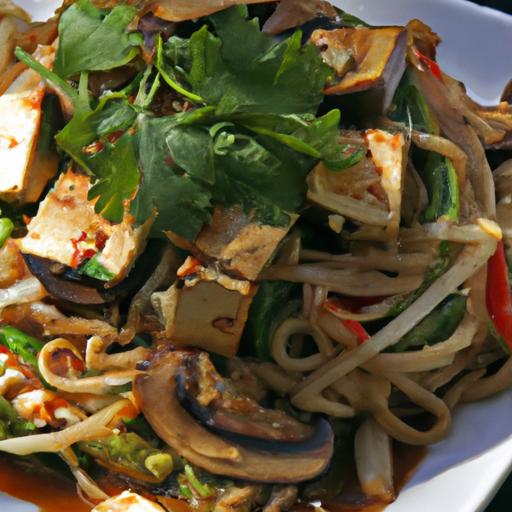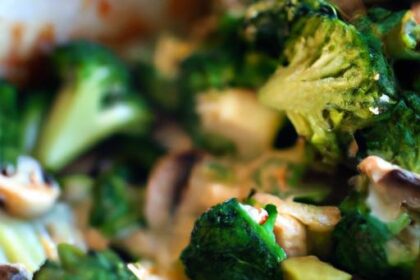



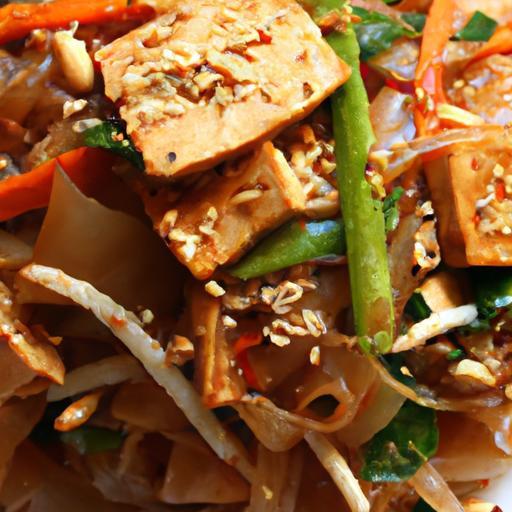
In the vibrant world of Southeast Asian cuisine,few dishes captivate the senses quiet like Pad Thai. Bursting with a harmonious blend of tangy, sweet, and savory flavors, this beloved street food classic has won hearts across the globe. Today, we invite you to savor a fresh take on this iconic dish – Tofu & Veggie Pad Thai, a colorful, wholesome rice noodle delight that celebrates plant-based goodness without skimping on taste. Whether you’re a dedicated vegetarian or simply curious to explore new culinary horizons, this recipe promises a satisfying dance of textures and flavors that will leave you craving more.join us as we unravel the secrets behind this vibrant dish and discover how rice noodles, crisp vegetables, and silky tofu come together in perfect harmony to create a truly unforgettable meal.
Crafting the Perfect tofu Texture for Pad Thai Excellence
Savor Tofu & Veggie Pad Thai starts with mastering the art of tofu preparation – a cornerstone for achieving that delightful contrast of textures and flavors. Silken tofu simply won’t cut it here; instead, opt for firm or extra-firm tofu to hold its shape and absorb those luscious Pad Thai sauces. The secret lies in pressing out excess moisture to ensure a crisp exterior and tender, flavorful interior that will elevate yoru dish beyond ordinary.
Begin by gently pressing the tofu between clean kitchen towels or paper towels, placing a heavy pan or stack of books on top for at least 30 minutes. This step firms up the tofu, allowing it to soak up the tamarind and soy-infused Pad Thai sauce beautifully.For extra texture, cut the tofu into bite-sized cubes and pan-fry them over medium-high heat in a tablespoon of oil until golden and slightly caramelized, approximately 4-5 minutes each side. This method creates a delightful crunch that contrasts perfectly with the soft rice noodles and crunchy veggies.
unlocking the Flavor Layers of a Classic Veggie pad Thai
Building the complex flavor profile of a classic veggie Pad Thai revolves around layering umami, sour, sweet, and salty notes that mingle in perfect harmony. Begin with a homemade tamarind sauce that blends tamarind paste, fish-free soy sauce or tamari, palm sugar, and a hint of fresh lime juice. This base not only imbues the dish with authentic Southeast Asian flair but also lets your tofu and vegetables soak in a burst of vibrant essence.
To deepen flavors, toast roasted peanuts until fragrant and coarsely chop them for garnish, adding earthy crunch and richness. Sauté garlic and shallots in hot oil until lightly browned and aromatic before adding your tofu and noodles-this foundational step releases intense savory notes that balance the natural sweetness of julienned carrots, bell peppers, and bean sprouts. A splash of water chestnuts or bamboo shoots can add an unexpected crispness, boosting texture and interest.
Choosing the Ideal Rice Noodles for Authentic Taste and Texture
Selecting the right rice noodles is crucial in crafting an authentic Pad Thai that delivers on texture and flavor. Traditionally, medium-width dried rice noodles, about 1/4 inch wide, offer the perfect bite – not too flimsy, yet tender enough to soak up the sauce without becoming mushy. Look for rice noodle brands labeled “Pad Thai” or “medium rice sticks” for reliable consistency.
Before cooking, soak the noodles in warm water for 25-30 minutes until pliable but still slightly firm to the bite. Over-soaking can cause noodles to become gummy during stir-frying.Drain well and toss instantly into the hot wok to prevent sticking. Tossing the noodles gently with oil before cooking helps maintain separation and contributes to an appealing glossy finish on your final plate.
Tips for Vibrant Veggie Pairings that Elevate Every Bite
Colorful, crisp vegetables truly bring a veggie Pad Thai to life, offering both nutritional vitality and textural harmony. Include julienned carrots, thinly sliced red bell peppers, and crunchy bean sprouts for that signature fresh crunch. Green onions sliced on the diagonal add a gentle bite and pop of color, while tender snow peas or snap peas introduce a sweet snap contrasting beautifully with the sauce’s savory depth.
For an extra boost of freshness and aroma, toss in chopped cilantro and a squeeze of fresh lime just before serving. These finishing touches amplify the dish’s bright, vibrant character. To keep veggies vibrant and crisp, add heartier varieties like carrots and bell peppers early in the stir-fry process and delicate sprouts or herbs last, preserving their texture and flavor.
Prep and Cook Time
- Prep: 25 minutes
- Cook: 15 minutes
- Total: 40 minutes
Yield
Serves 4 generous portions
Difficulty level
Medium – perfect for home cooks ready to explore complex balancing of flavors with approachable techniques.
Ingredients
- 14 oz firm or extra-firm tofu, pressed and cubed
- 8 oz medium-width dried rice noodles
- 2 tbsp tamarind paste
- 3 tbsp fish-free soy sauce or tamari
- 2 tbsp palm sugar (or light brown sugar)
- 3 tbsp vegetable oil
- 3 cloves garlic, finely minced
- 2 shallots, thinly sliced
- 1 medium carrot, julienned
- 1 red bell pepper, thinly sliced
- 1 cup fresh bean sprouts
- 3 green onions, sliced diagonally
- 1/3 cup roasted peanuts, coarsely chopped
- 1 lime, cut into wedges
- Fresh cilantro, chopped (for garnish)
Instructions
- Prepare Tofu: Press tofu for at least 30 minutes to remove excess moisture. Cut into 1-inch cubes.
- Soak Noodles: Place rice noodles in a large bowl with warm water. Soak for 25-30 minutes until pliable but still firm. Drain well and toss with 1 tbsp oil to prevent sticking.
- make Sauce: In a small bowl, combine tamarind paste, soy sauce, and palm sugar. Stir until sugar dissolves; set aside.
- Cook Tofu: Heat 1 tbsp oil in a large wok or skillet over medium-high heat. Add tofu cubes and sauté until golden and crisp on all sides, about 8-10 minutes. Remove tofu and set aside.
- Sauté Aromatics: Add remaining 2 tbsp oil to wok. Stir-fry garlic and shallots until fragrant and lightly browned, about 2 minutes.
- Add Veggies: Toss in carrot and bell pepper; stir-fry for 2-3 minutes until slightly tender but crisp.
- Combine Noodles and Sauce: Add soaked noodles and tofu back to wok. Pour sauce over and toss continuously for 3-4 minutes, ensuring even coating and gentle heating.
- Finish With Greens and Crunch: Stir in bean sprouts and green onions; cook for 1 more minute just to warm through.
- Serve: Plate the Pad Thai, garnish generously with chopped peanuts, fresh cilantro, and lime wedges on the side for squeezing.
Chef’s Notes
- Pressing tofu is essential – skipping this step results in soggy cubes that won’t crisp up nicely.
- For extra depth, add a dash of smoked paprika or a small pinch of chili flakes when sautéing tofu for subtle heat and smokiness.
- If palm sugar is unavailable, substitute with light brown sugar or organic sucanat for similar caramel notes.
- Make-ahead tip: Tofu can be pressed and fried a day prior; store in an airtight container and reheat in a hot pan before assembling.
- consider tossing in thinly sliced shiitake mushrooms or snap peas for seasonal veggie variation without overpowering flavors.
Serving Suggestions
Serve your tofu and veggie Pad Thai fresh from the wok, arranged on large plates or shallow bowls to showcase its vibrant colors and textures. Add extra lime wedges on the side for that punch of acidity that brightens every bite. Pair with a chilled jasmine tea or a crisp Thai iced tea for authentic refreshment. Garnish with extra crushed peanuts and a scattering of fresh cilantro leaves to add botanical freshness and nutty crunch that rounds out the experience.

Nutritional Facts per Serving
| Calories | Protein | Carbs | Fat |
|---|---|---|---|
| 420 kcal | 18 g | 50 g | 15 g |
for related plant-based Asian noodle recipes, check out our Vegan pad See Ew Recipe that also highlights creative vegetable pairings. For an authoritative guide on tamarind paste and its culinary uses, visit Cook’s Illustrated.
Q&A
Q&A: Savor Tofu & Veggie Pad Thai: A Rice Noodle Delight
Q1: What makes Tofu & Veggie Pad Thai a standout dish among Thai cuisine?
A1: Tofu & veggie Pad Thai masterfully blends the classic flavors of thailand with a wholesome, plant-based twist. The dish’s balance of sweet, tangy, and savory notes, paired with the chewy texture of rice noodles, creates a vibrant and satisfying meal that appeals to both vegetarians and meat-eaters alike.
Q2: Why use tofu in Pad Thai instead of conventional proteins like shrimp or chicken?
A2: Tofu serves as a versatile, protein-rich choice that soaks up the luscious Pad Thai sauce beautifully. Its mild flavor complements the medley of fresh vegetables, making the dish lighter yet equally fulfilling-plus, it keeps the recipe vegan-friendly without sacrificing taste or texture.
Q3: How do the veggies contribute to the overall flavor profile?
A3: Fresh vegetables add crunch,color,and natural sweetness,bringing a refreshing contrast to the savory noodles. Ingredients like bell peppers, bean sprouts, and carrots not only boost the nutritional value but also enhance the layered complexity of this humble street-food staple.
Q4: What’s the secret behind the authentic Pad Thai sauce used in this recipe?
A4: The soul of any Pad Thai is its sauce-a harmonious blend of tamarind paste, lime juice, palm sugar, and soy sauce. This combination delivers that signature balance of tangy,sweet,salty,and umami flavors,elevating simple ingredients into a mouthwatering rice noodle delight.
Q5: Can this dish be easily adapted for different dietary needs?
A5: absolutely! By swapping traditional fish sauce for soy sauce or tamari, you make it fully vegan and gluten-free. You can also customize the veggie selection according to seasonality or personal preference, ensuring a fresh, personalized feast every time.
Q6: What’s the best way to serve and garnish Tofu & Veggie Pad Thai?
A6: serve it piping hot, garnished with crushed peanuts, fresh cilantro, and lime wedges.these final touches add texture and brightness, inviting you to squeeze on a burst of citrus that awakens all the flavors on your plate.
Q7: How long does it take to prepare this tofu and veggie Pad Thai?
A7: From start to finish, including soaking rice noodles and chopping veggies, the dish can be ready in about 30-40 minutes-perfect for a rapid weeknight dinner that feels both indulgent and wholesome.
Q8: Why should someone try making Tofu & Veggie Pad Thai at home?
A8: crafting this vibrant dish at home offers a delightful culinary adventure. It’s a chance to dive into Thai flavors with fresh ingredients,control your nutritional intake,and enjoy the satisfaction of whipping up a restaurant-quality meal right from your kitchen. plus, it’s a colorful, comforting plate that nourishes body and soul alike!
Closing Remarks
As the delicate blend of silky tofu, crisp vegetables, and tender rice noodles lingers on your palate, it’s clear that this Pad Thai is more than just a meal-it’s a celebration of vibrant flavors and wholesome nourishment. Whether you’re a seasoned plant-based eater or simply curious to explore new tastes, savoring this tofu and veggie pad Thai invites you to experience a harmonious fusion of texture and spice that’s both comforting and invigorating. so next time you’re craving something deliciously satisfying and nourishing, remember: a colorful bowl of this rice noodle delight is just a stir-fry away from transforming your dinner into an unforgettable culinary adventure.