

Nestled along India’s sun-kissed western coastline, Goa offers more than just stunning beaches and vibrant festivals-it presents a culinary treasure that captures the essence of its coastal heritage. At the heart of this flavorful tapestry lies the authentic Goan fish curry, a dish that marries tangy tamarind, fragrant spices, and fresh seafood into a harmonious symphony of taste. this iconic curry, steeped in tradition and bursting with bold flavors, invites food lovers too embark on a sensory journey through goa’s rich culture and history. Join us as we delve into the origins, ingredients, and irresistible charm of the Goan fish curry, a true delight for the palate and the soul.
Origins and Cultural Significance of Goan Fish Curry
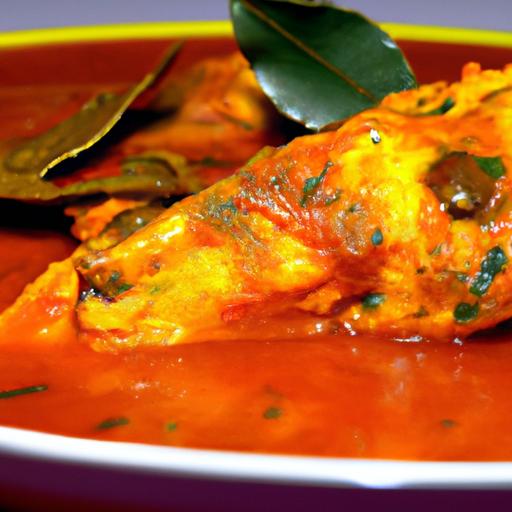
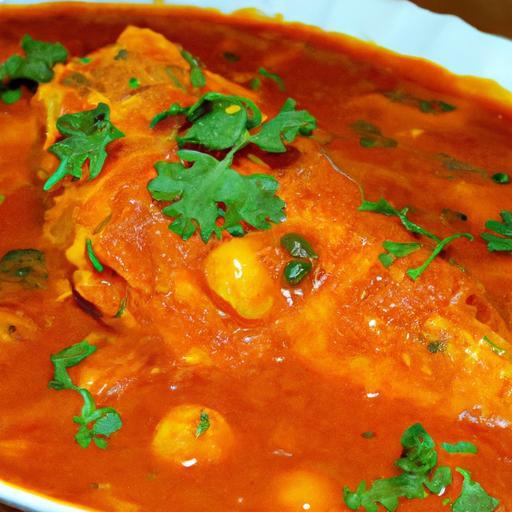
Savor the Authentic Goan Fish Curry is an ode to the coastal richness of Goa, a state where the Arabian Sea kisses sun-soaked shores and culinary tradition runs deep. Rooted in Konkan heritage, this curry reflects Goa’s vibrant history as a fishing hub and a melting pot of diverse cultures – indigenous Konkani, Portuguese influences, and local spices. For centuries, fishermen families have passed down this recipe that brings together fresh catch and a distinctive tangy, spicy coconut base, celebrating the bounty of the sea with every simmering pot.
This dish is more than just a meal; it’s a cultural narrative served steaming hot, evoking the aromas of tamarind and kokum, balanced by the warmth of red chili and the earthiness of coriander. Sharing Goan fish curry during festivals and family gatherings symbolizes hospitality, community, and the coastal lifestyle’s joyous simplicity. Each bite tells a story of tradition,resilience,and the joyous party of Goa’s natural abundance.
Key Ingredients That Define the Authentic Goan Flavor
- Fresh fish: Traditionally, firm white fish like kingfish, Pomfret, or Mackerel are preferred for their texture and ability to absorb flavors.
- Coconut: Freshly grated coconut or good-quality coconut milk forms the creamy, luscious base of the curry.
- Kokum: A quintessential souring agent unique to Goan cuisine, lending a floral and fruity tartness unlike tamarind.
- Red chili powder: Use authentic Goan red chili powder or Kashmiri chili for vibrant colour and gentle heat.
- Mustard seeds and Fenugreek: These tempered spices deliver a subtle bitterness that balances the curry’s richness.
- Fresh curry leaves: For that unmistakable aromatic punch and authentic flavor lift.
- garlic and Ginger: Ground into a paste, they provide a warm, pungent base for the curry.
- Tamarind pulp: Occasionally added alongside kokum for enhanced tanginess, depending on local family preferences.
Step-by-Step Guide to Preparing Customary Goan Fish Curry
Embark on your culinary journey with these detailed steps to perfectly capture the essence of Goan fish curry. Every stage is crafted to help you balance flavors and textures effortlessly.
- Prep and Cook Time: 15 minutes prep | 30 minutes cook
- Yield: Serves 4
- Difficulty Level: Medium – beginner cooks can master with careful attention to timing and spice balance
Ingredients
- 500g fresh firm white fish fillets,cut into chunks
- 1 cup freshly grated coconut
- 2 tbsp oil (preferably coconut oil)
- 1 tsp mustard seeds
- 1/2 tsp fenugreek seeds
- 2 dried red chilies
- 1 medium onion,finely chopped
- 1 tbsp ginger-garlic paste
- 1 tsp turmeric powder
- 2 tsp Goan red chili powder (adjust heat to taste)
- 3-4 kokum petals (soaked in warm water)
- 1/2 tsp black peppercorns
- 10-12 fresh curry leaves
- Salt to taste
- 2 cups water (adjust for desired consistency)
- 1 tbsp tamarind pulp (optional)
Instructions
- Make the coconut paste: In a blender,grind grated coconut with fenugreek seeds,black peppercorns,dried red chilies (soaked 10 minutes),and little water to a smooth,thick paste. Set aside.
- Temper spices: Heat oil in a deep pan over medium heat. Add mustard seeds and let them pop, then immediately add curry leaves and chopped onions. Sauté until onions turn translucent and golden,about 6 minutes.
- Add aromatics: Stir in ginger-garlic paste and sauté until fragrant, about 2 minutes, stirring constantly to prevent burning.
- layer the spices: Mix turmeric and Goan red chili powder into the onions; cook for 1 minute to bloom the spices.
- Combine coconut paste and liquids: Add the prepared coconut paste to the pan, stirring well. Pour in water and the soaked kokum along with its water, stirring to combine.Bring the mixture to a gentle simmer.
- Add fish carefully: Gently add fish pieces to the curry, cover, and cook on low heat for 10-12 minutes. avoid excessive stirring to keep fish intact.
- Adjust seasoning: Taste and add salt and tamarind pulp if using, for an extra tangy kick. Simmer uncovered for 2 minutes to let flavors meld.
- Finish and serve: Remove from heat. Let the curry rest for a few minutes before serving to deepen the flavors.
Perfect Pairings and Serving Suggestions for an Unforgettable Meal
The Savor the Authentic Goan Fish Curry experience is elevated when paired thoughtfully, creating a vibrant and complete meal.
- Serve hot over steamed white rice or fragrant Jeera (cumin) rice to soak up the flavorful gravy.
- Goan sannas (light, sweet idli-like rice cakes) beautifully complement the curry’s tang and spice.
- Freshly chopped cilantro or curry leaves make excellent garnishes, adding a burst of color and aroma.
- A side of spiced sautéed greens or simple cucumber salad balances the richness.
- For an authentic touch, accompany with Sol Kadhi, a soothing kokum-coconut drink that refreshes the palate.

Chef’s Notes & Tips for Success
- Fish selection: Choose fresh, firm fish; avoid delicate fish that can disintegrate when cooking.
- Control tanginess: Kokum offers a subtle sourness; adjust tamarind accordingly if you prefer more tartness.
- Spice level: Start with less chili powder – you can always add more after tasting.
- Coconut paste: Use fresh coconut when possible; substitute with high-quality frozen coconut or canned unsweetened coconut flakes if unavailable.
- Make-ahead: The curry tastes even better the next day as flavors meld. Store refrigerated up to 2 days and gently reheat.
- No stirring after adding fish: Be gentle to keep fish fillets intact and prevent a cloudy curry.
| Nutrient | Per Serving |
|---|---|
| Calories | 280 kcal |
| Protein | 35g |
| Carbohydrates | 8g |
| Fat | 10g |
For an inspiring exploration into Goan cuisine,check out our Goan Cuisine Essentials guide,where traditional flavors and modern twists unite.
Q&A
Q&A: Savor the Authentic goan Fish Curry: A Flavorful Delight
Q1: What makes goan Fish Curry stand out from other fish curries?
A1: Goan Fish Curry is a vibrant culinary treasure, known for its perfect balance of tangy, spicy, and aromatic flavors. Unlike many other fish curries, it uniquely combines the subtle sweetness of coconut milk with the sharp zest of tamarind and fresh kokum, infusing every bite with a deeply satisfying complexity. The use of freshly ground spices and the generous addition of curry leaves further elevate its signature taste.
Q2: Wich types of fish are traditionally used in Goan fish Curry?
A2: Traditionally, Goan Fish Curry features firm, white fish varieties that can hold up well in the robust curry sauce. Popular choices include kingfish (also known as seer fish),pomfret,mackerel,and occasionally the local bounty of fresh catch from the Arabian Sea. The fish’s texture and flavor complement the spicy, tangy gravy perfectly.Q3: What are the essential ingredients that define the authentic flavor of Goan Fish Curry?
A3: The soul of Goan Fish Curry lies in its core ingredients: freshly grated coconut, dry red chilies, coriander seeds, cumin, mustard seeds, tamarind pulp, and kokum slices.Fresh curry leaves and green chilies add brightness and heat. Coconut milk or coconut cream lends a creamy sweetness that tempers the fiery spices, creating harmonious layers of taste.
Q4: How is the curry paste traditionally prepared?
A4: the curry paste, or “masala,” is a fragrant blend of dry-roasted spices and dried red chilies, ground with freshly grated coconut to form a rich, crumbly mixture. Often, mustard seeds and fenugreek seeds are roasted to add depth, and sometimes turmeric is included for earthiness and color. This paste forms the heart of the curry, imparting an unmistakable aroma and flavor.
Q5: Can Goan Fish Curry be made ahead of time, or is it best eaten fresh?
A5: While Goan Fish Curry is best savored fresh-when the fish is tender and the coconut flavors are vibrant-it also benefits from resting a few hours or even overnight. This allows the spices to meld and intensify. However, delaying too long isn’t recommended, as the curry contains fresh fish and coconut milk, which are best consumed within a day or two to retain their freshness and safety.
Q6: What are the traditional accompaniments served with Goan Fish Curry?
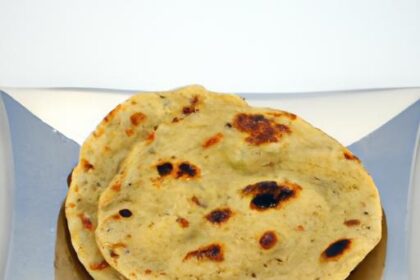
A6: In Goa,this curry is most commonly enjoyed with steamed white rice or red rice,which soak up its flavorful gravy perfectly. Some also relish it with cashew nut-based sannas (steamed rice cakes) or even plain flatbreads. Fresh coconut chutney and a simple salad often round out the meal, highlighting the coastal region’s love for fresh, wholesome ingredients.
Q7: How does the coastal climate of Goa influence the flavors in this fish curry?
A7: Goa’s coastal environment offers an abundance of fresh seafood, coconuts, and indigenous spices, all of which shape the curry’s character. The humid climate encourages the use of spicy and tangy flavors to stimulate the appetite, while the plentiful coconut groves provide a creamy base common to many Goan dishes. This blend of geography and culture crafts a curry that is both refreshing and deeply comforting.
Q8: Are there any vegetarian versions inspired by Goan Fish Curry?
A8: While the classic Goan Fish Curry highlights fish as the star ingredient, creative cooks have adapted the rich, spicy coconut-based gravy for vegetables like mushrooms, jackfruit, or even plantains. These variations maintain the signature tanginess and spice profile, offering a delicious choice that celebrates similar flavors without seafood.
Q9: What cooking tips ensure the perfect texture and flavor balance in Goan Fish Curry?
A9: To achieve the perfect balance, it’s important not to overcook the fish-adding it last and simmering gently preserves its tenderness. Toasting spices just enough to release their aroma without burning ensures a clean flavor. Using fresh tamarind or kokum for tanginess, and not overusing chili, balances heat with acidity. adding coconut milk at the end retains its creamy texture and avoids curdling.
Q10: How has Goan Fish Curry influenced Indian coastal cuisine in general?
A10: goan fish Curry is a stellar example of how coastal communities blend local ingredients and culinary traditions into signature dishes. Its accomplished marriage of coconut, tamarind, and spices has influenced neighboring coastal cuisines, encouraging an embrace of bold flavors tempered with creamy richness. The dish stands as a delicious ambassador of coastal India’s vibrant food heritage.
In Conclusion
As the final spoonful of Goan fish curry lingers on your palate, you’re reminded that this dish is more than just a meal-it’s a vibrant story of culture, tradition, and coastal abundance. Each bite brings together the smoky aroma of roasted spices, the tang of tamarind, and the fresh catch from the sea, creating a symphony of flavors that is uniquely Goan.Whether you’re a seasoned food lover or a curious traveler, savoring this authentic curry offers a delicious gateway into the heart of Goa’s culinary heritage. So next time you crave a taste of adventure, let the rich, soulful flavors of Goan fish curry transport you to sun-kissed shores and the warmth of coastal kitchens.