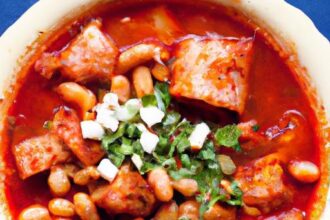

In the vibrant tapestry of wholesome Indian cuisine, few combinations shine as brightly as the pairing of lauki (bottle gourd) and chana dal (split chickpeas). Together, they create a harmonious blend of flavors and nutrients that not only delight the palate but also nourish the body. Lauki Chana Dal is more than just a dish-it is a celebration of simplicity and health, a duo that transforms everyday ingredients into a powerhouse of wellness. Whether you seek to balance your diet, embrace lighter meals, or explore traditional recipes with a modern twist, this pairing offers a versatile canvas for culinary creativity and mindful eating. Join us as we delve into the delightful world of Lauki Chana Dal, uncovering why this wholesome duo deserves a place at your dining table.
Lauki Chana Dal beautifully embodies the perfect balance between nutrition and flavour, bringing together two humble pantry staples into a vibrant, heart-healthy meal. This delightful dish hails from Indian kitchens where tradition meets wellness, making it a cherished staple for families aiming for wholesome nourishment without compromising on taste. The soft, subtly sweet bottle gourd (lauki) harmonizes with the earthy richness of split Bengal gram (chana dal), creating a comforting texture that soothes and satisfies.
by embracing the nutritional powerhouse of lauki chana dal, you unlock a treasure trove of health benefits – from fiber-rich digestion support to a wealth of essential vitamins and minerals that promote vitality. Whether you’re rekindling your love for hearty dals or discovering a new favorite, this dish turns everyday meals into nutrient-packed celebrations of flavor and wellness.
Prep and Cook Time
- Preparation: 15 minutes
- Cooking: 35 minutes
Yield
Serves 4 hearty portions
Difficulty Level
Easy - Perfect for both beginners and seasoned home cooks
Ingredients
- 1 cup chana dal (split Bengal gram),rinsed and soaked for 30 minutes
- 2 cups lauki (bottle gourd),peeled and diced into small cubes
- 2 tbsp ghee or vegetable oil
- 1 tsp cumin seeds
- 1 medium onion,finely chopped
- 2 green chilies,slit lengthwise (adjust to taste)
- 1 tbsp ginger-garlic paste
- 1/2 tsp turmeric powder
- 1 tsp coriander powder
- 1 tsp garam masala
- 1 medium tomato,finely chopped
- 4 cups water or vegetable broth
- Salt to taste
- Fresh coriander leaves,chopped for garnish
- Juice of half a lemon (optional,to brighten flavors)
Instructions
- Cook the Chana Dal: Drain the soaked chana dal. In a pressure cooker or heavy pot, add the dal with 3 cups of water and a pinch of turmeric. Cook until soft but not mushy, about 15-20 minutes in a pressure cooker or 40 minutes in a pot. Set aside.
- sauté Aromatics: Heat ghee or oil in a deep skillet over medium heat. Add cumin seeds and let them sizzle for 30 seconds until fragrant.
- Add Onion and Chilies: Toss in the finely chopped onion and green chilies.Sauté until golden brown, about 5 minutes, stirring to prevent burning.
- Incorporate Ginger-Garlic Paste: Stir in the ginger-garlic paste; cook for 1-2 minutes until the raw aroma fades.
- Spice it Up: Add turmeric, coriander powder, and garam masala. Mix well to coat the onion mixture, cooking for 30 seconds.
- Tomatoes Join In: Stir in the chopped tomato and cook until soft and pulpy, about 4-5 minutes. This creates a luscious base for the dal.
- Cook the Lauki: Add diced lauki to the skillet, stirring gently to combine. Sauté for 5 minutes until the lauki softens slightly but still retains texture.
- Combine Dal and Lauki: Pour the cooked chana dal with its cooking water into the skillet. Add additional water or broth as needed to get a desired consistency (typically medium-thick).
- Simmer to Perfection: Cover and simmer on low heat for 15 minutes, allowing the lauki to fully absorb the spices and dal flavors.Stir occasionally to prevent sticking.
- Final Seasoning: Adjust salt to taste. Optionally add lemon juice for a subtle tang that elevates the dish.
- Garnish and Serve: Sprinkle freshly chopped coriander leaves just before serving for a burst of vibrant color and herbal freshness.
Tips for Cooking Perfect Lauki Chana Dal Every Time
- Soaking Is Key: Soaking chana dal softens the lentils, reducing cooking time and boosting digestibility.
- Consistent Cutting: Cut lau ki uniformly small; this ensures it cooks evenly and blends seamlessly with the dal’s creamy texture.
- Patience with Spices: properly sautéing spices and aromatics unlocks deep, complex flavors essential to a memorable dish.
- Control Consistency: If the dal thickens too much while simmering, gently add warm water or broth to loosen it without sacrificing richness.
- Flavor Enhancers: Finish with a squeeze of fresh lemon and a garnish of coriander for brightness; these simple touches transform the palate.
- Make-Ahead Magic: This dish tastes even better the next day after the flavors marry in the fridge. Simply reheat gently with a splash of water if needed.
Serving Suggestions
Serve this lauki chana dal hot with steaming basmati rice or warm whole wheat rotis for a complete, comforting meal. For an added layer of texture and flavor, pair it with a crisp cucumber raita or a tangy mango pickle. A drizzle of ghee atop each serving further enhances aroma and richness. Garnishing with finely chopped fresh coriander or a few slit green chilies not only adds color but gives a fresh burst with each bite.

| Nutrient | Per Serving |
|---|---|
| Calories | 210 kcal |
| Protein | 12g |
| Carbohydrates | 30g |
| Fat | 5g |
| Fiber | 8g |
To explore complementary indian lentil recipes and how to build a wholesome meal around pulses and vegetables, check out our thorough guide to Indian lentils. For scientific insights on the nutritional benefits of chana dal and bottle gourd, visit The British Nutrition Foundation.
Q&A
Q&A: Lauki Chana Dal – A Wholesome Duo for Healthy Meals
Q1: what makes the combination of Lauki and Chana Dal so special in cooking?
A1: Lauki (bottle gourd) and Chana Dal (split chickpeas) pair beautifully to create dishes that are not only delicious but nutritionally balanced. Lauki is low in calories and rich in water and fiber, helping with hydration and digestion. Chana Dal, on the other hand, brings a hearty dose of plant-based protein, complex carbohydrates, and essential minerals.Together, they make meals that nourish the body while keeping the palate satisfied.
Q2: can you describe the nutritional benefits of Lauki?
A2: Absolutely! Lauki is a powerhouse of hydration, given its high water content, which supports skin health and aids in detoxification. It is also low in calories, making it perfect for weight management. additionally, Lauki is rich in dietary fiber, vitamins like C and B, and minerals such as potassium and magnesium, which support heart health and blood pressure regulation.
Q3: How does Chana Dal enhance the health quotient of this duo?
A3: Chana Dal complements Lauki by adding protein,which is essential for muscle repair and immune function. It also contains slow-digesting carbohydrates that help maintain steady energy levels and regulate blood sugar. Plus, its fiber content promotes gut health, while the presence of folate, iron, and zinc supports overall vitality.
Q4: What are some creative ways to prepare Lauki Chana Dal together?
A4: The possibilities are plentiful! Classic southern and northern Indian cuisines feature Lauki Chana Dal stew, where tender pieces of bottle gourd simmer with spiced, cooked chana dal, creating a creamy texture without cream. You can also experiment with hearty dals, patties, or even nutritious soups where this duo shines as a comforting meal. adding fresh herbs, mild spices, and a touch of lemon zest can elevate the flavors without overpowering the natural goodness.
Q5: Is Lauki Chana Dal suitable for those on a weight-loss or diabetic-friendly diet?
A5: Definitely! Lauki’s low-calorie, high-water content helps in maintaining fullness without extra calories, while the fiber and protein from Chana dal help stabilize blood sugar and promote satiety.This combination is ideal for balanced, portion-controlled meals that are both satisfying and supportive of weight management or diabetic health.
Q6: Are there any cultural or traditional aspects tied to cooking Lauki with chana Dal?
A6: Yes, many traditional Indian households have cherished recipes combining Lauki and Chana Dal, especially in the winters or during fasting days when wholesome yet light meals are preferred. It’s a comfort food passed down through generations, known for its simplicity, heartiness, and nourishing qualities.
Q7: can Lauki Chana Dal dishes be adapted for vegan and gluten-free diets?
A7: absolutely! Both ingredients are naturally vegan and gluten-free. As long as the preparation avoids any animal products and gluten-containing additives, Lauki Chana Dal recipes fit perfectly into vegan and gluten-free lifestyles. This makes them a versatile choice for a wide range of dietary needs.
Q8: How shoudl one store Lauki and Chana Dal to keep them fresh for cooking?
A8: Lauki is best stored in a cool, dry place or the refrigerator, where it can last up to a week. It should be used while firm and without any soft spots. Chana Dal,being a dried legume,should be kept in an airtight container at room temperature,away from moisture and sunlight,to maintain its quality for several months.
this wholesome duo not only offers a nutritional punch but also opens up a canvas for culinary creativity – perfect for anyone aiming to craft healthy, flavorful meals with ease.
key Takeaways
In the vibrant tapestry of wholesome eating,the combination of Lauki and Chana Dal stands out as a flavorful thread woven with nutrition and tradition. This dynamic duo not only offers a delightful balance of taste and texture but also brings an array of health benefits to your plate-from aiding digestion to providing essential proteins and vitamins. Embracing Lauki Chana dal in your meals is more than just cooking; it’s nurturing your body with nature’s goodness in its purest form. So next time you seek a meal that’s both comforting and nourishing, let this humble pair inspire your kitchen creativity and elevate your journey toward healthier living.