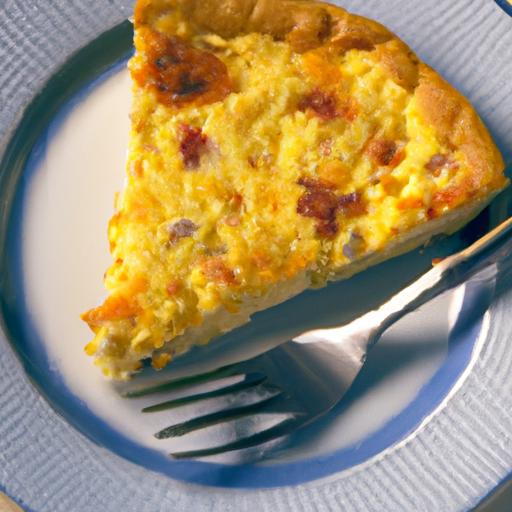

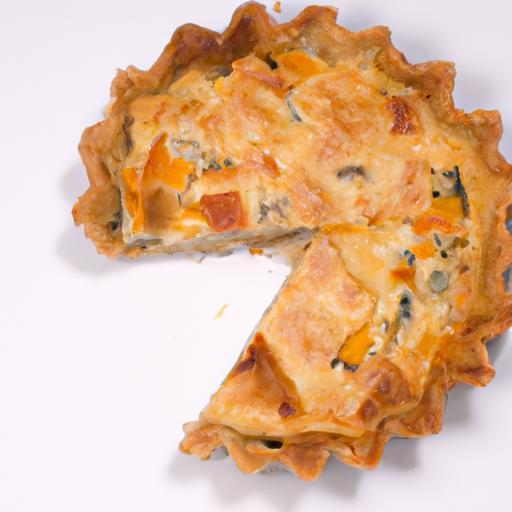
When it comes to quiche,the spotlight frequently enough falls on the luscious filling-a savory symphony of eggs,cream,cheese,and your favorite add-ins. But beneath that golden, bubbling surface lies a crucial foundation: the crust. Far more than just a vessel, the quiche base sets the stage for texture, flavor, and overall delight. If you’re ready to break free from the customary pastry shell and elevate your quiche game, you’re in the right place. Welcome to “Crust Creations: 7 Unique Twists for Your Quiche Base,” where we explore inventive, appetizing, and unexpected crust ideas that will turn every slice into an unforgettable experience. Whether you crave a nutty crunch, a gluten-free option, or a burst of herbs and spices, these creative crusts promise to revolutionize your quiche from bottom to top. Let’s dive in and reshape the way you think about quiche crusts-one inventive base at a time.
Exploring Alternative Flours for a Flavorful Foundation
Crust Creations offer a world of opportunity beyond traditional wheat flour, inviting bakers to experiment with wholesome, vibrant alternatives that bring new textures and tastes to your quiche bases. Incorporating flours like almond, chickpea, or spelt not only enhances the nutritional profile but elevates your dish with subtle nuttiness or earthiness that pairs beautifully with savory fillings.
For example, almond flour introduces a delicate richness and tender crumb, perfect for gluten-free adaptations, while chickpea flour provides a hearty, slightly bean-like flavor that complements Mediterranean herbs. Using spelt flour slightly boosts the crust’s chewiness and imparts a mild, sweet nuttiness, ideal when you want more depth. Don’t hesitate to blend multiple flours to balance flavor and structure for your ideal base.
Incorporating Herbs and Spices into Your Pastry Dough
elevate flavor in your crust by infusing it with fresh or dried herbs such as thyme, rosemary, or sage. These fragrant additions weave subtle layers of aroma that gently permeate the final baked quiche. imagine a crisp crust streaked with vibrant flecks of rosemary-each bite releasing an herbaceous perfume. For a more adventurous twist, warm spices like smoked paprika, black pepper, or even a hint of ground cumin can create surprising contrasts that echo the spices inside your quiche filling.
finely chopping herbs or toasting spices briefly before folding them into your dough maximizes their fragrance and flavor release. This simple step transforms your crust from a background player into a vibrant, flavorful foundation.
Creative Shapes and Textures to Elevate Visual Appeal
Beyond flavor,visual intrigue turns your crust into an eye-catching masterpiece. Experiment with unique shapes like scalloped edges, braided rims, or mini individual quiche cups, each providing a distinct personality to your creation. textural enhancements such as coarse sanding sugar (for a subtle hint of sweet crunch) or a light sprinkle of sesame seeds add both appeal and an inviting crunch.
Use decorative tools or simply your fingers to crimp or pleat the edges, turning a simple crust into art. Crosshatching with a fork or gently scoring patterns can also create tactile contrasts that catch the light beautifully after baking.
Nut and Seed Infused Crusts for Added Crunch and Nutrition
For an exciting textural upgrade, add ground or chopped nuts and seeds directly into the dough. Walnuts, pecans, or hazelnuts introduce a toasted richness and delightful crunch that contrast deliciously with soft quiche fillings. Seeds such as chia, flax, or pumpkin offer a slight pop and additional nutrients-boosting omega-3s and fiber while deepening the flavor profile.
Toasting nuts and seeds lightly before mixing intensifies their natural oils and aroma, creating a crust with layers of complexity. Be mindful to pulse nuts finely for a tender crumb or chunkier for more crunch, depending on your preference.
Prep and Cook Time
- Readiness: 25 minutes
- chilling: 30 minutes
- Baking: 15-20 minutes (blind baking)
Yield
Serves 6-8
difficulty Level
Medium
Ingredients
- 1 cup spelt flour, sifted
- ½ cup finely ground almond flour
- 2 tbsp chopped fresh rosemary (or 1 tbsp dried)
- ½ tsp fine sea salt
- ¼ tsp freshly ground black pepper
- ½ tsp smoked paprika (optional, for depth)
- ¼ cup chopped toasted walnuts (optional)
- 6 tbsp cold unsalted butter, cut into cubes
- 1 large egg yolk
- 2-3 tbsp iced water
Instructions
- Toast the walnuts: On a dry skillet over medium heat, toast the chopped walnuts until fragrant, about 3 minutes, stirring frequently. Set aside to cool.
- Mix dry ingredients: In a large bowl, combine the spelt flour, almond flour, rosemary, salt, black pepper, smoked paprika, and toasted walnuts (if using). Toss well to distribute.
- Incorporate butter: Add the cold butter cubes to the flour mixture. Using a pastry cutter or your fingertips, quickly blend the butter into the flour until coarse crumbs form with some pea-sized pieces remaining.
- Add egg yolk and water: Stir in the egg yolk, then slowly add iced water, one tablespoon at a time, mixing gently until the dough just comes together. Avoid overworking.
- chill the dough: Shape the dough into a disc, wrap tightly in plastic wrap, and refrigerate for at least 30 minutes to rest and firm up.
- Roll and shape: On a lightly floured surface, roll the chilled dough to about ⅛-inch thickness. Carefully transfer it to a 9-inch quiche pan, pressing into the edges. Trim the excess and create your desired edge shape, such as fluted or crimped.
- Blind bake: Prick the base gently with a fork, line with parchment paper or foil, and fill with pie weights or dry beans. Bake at 375°F (190°C) for 15-20 minutes until edges are golden and the base is set.
- Remove weights & bake again: Carefully remove the weights and parchment, then bake 5 more minutes until the base is lightly golden and crisp-ready for filling!
Chef’s Notes
- Flour substitutions: Substitute chickpea flour for almond flour to deepen the savory profile, adjusting water as needed.
- Butter alternatives: Use cold coconut oil for a dairy-free version, but expect a slightly different texture.
- Make ahead: Dough can be prepared up to 2 days in advance and kept refrigerated,or frozen for up to 1 month.
- Texture tip: Avoid overmixing to keep the crust tender; handle dough minimally during shaping.
- Herb options: Fresh thyme or sage are excellent alternating flavors with this dough base.
Serving Suggestions
Serve your quiche perched on a rustic wooden board, garnished with fresh sprigs of rosemary or thyme to echo the crust’s herbal notes. A light drizzle of high-quality extra virgin olive oil over the warm slices enhances the nutty undertones.Accompany with a crisp green salad dressed with lemon vinaigrette to balance the richness. For an elegant touch, pair with a dollop of tangy crème fraîche or a side of oven-roasted cherry tomatoes.

| Nutrient | Per serving |
|---|---|
| Calories | 230 kcal |
| Protein | 6 g |
| Carbohydrates | 14 g |
| Fat | 18 g |
For more inspiration on versatile bases, explore our article on Vegetable Forward Quiche Recipes. To deepen your understanding of the nutritional benefits of spelt flour, consult this detailed USDA guide.
Q&A
Q&A: crust Creations – 7 Unique Twists for Your Quiche Base
Q1: Why should I experiment with different crusts for my quiche rather of sticking to the classic pastry?
A1: the crust is the foundation of your quiche’s texture and flavor. While classic pastry offers that buttery, flaky experience, exploring unique bases can add unexpected tastes and nutritional benefits. Plus, customizing your crust can turn a simple quiche into a culinary masterpiece that surprises and delights every bite.
Q2: What are some creative ingredients I can use to make a quiche crust that stands out?
A2: Think beyond flour and butter! You can use ground nuts like almonds or walnuts for a rich, nutty crust. Cauliflower mash creates a low-carb, tender base, while chickpea flour offers a naturally gluten-free, protein-packed twist. Even shredded vegetables, such as sweet potato or zucchini, can be combined with cheese and herbs for a colorful, flavorful crust.
Q3: How do alternative crusts affect the texture and flavor of the quiche?
A3: Each alternative crust brings its own character. Nut-based crusts tend to be crumbly and aromatic,adding a warm depth of flavor. Vegetable crusts can lend moisture and subtle sweetness, sometimes resulting in a softer, more tender base. Flour alternatives like chickpea create a firmer crust with a slightly earthy flavor that pairs beautifully with savory fillings.Q4: Can these unique crusts accommodate dietary restrictions like gluten intolerance or vegetarianism?
A4: Absolutely! Many creative crust recipes cater to gluten-free diets by using nut flours or vegetable bases. Since quiches are naturally vegetarian-pleasant,these crust twists maintain that inclusivity while enhancing the dish’s appeal. Making a crust from seeds or pulses can also boost fiber and protein content, perfect for health-conscious eaters.
Q5: Are there any tips for baking non-traditional quiche crusts to ensure they hold up well?
A5: Yes! Pre-baking-or blind baking-the crust helps set its structure before adding the filling. For vegetable crusts, pressing out excess moisture is key to avoiding sogginess. Adding binders like eggs or cheese can improve cohesion and browning. Lastly, don’t be afraid to adjust baking times and temperatures slightly, as alternative crusts may bake faster or slower than classic pastry.
Q6: Which of these crust ideas pairs best with a vegetable-forward quiche filling?
A6: A cauliflower or zucchini crust beautifully complements vegetable fillings by reinforcing fresh,earthy flavors without overpowering them. Nut-based crusts also add a delightful textural contrast. Using herbs both in the crust and filling harmonizes the overall taste, making each slice a vibrant celebration of garden-fresh ingredients.
Q7: How can I elevate my quiche’s presentation using these crust variations?
A7: Use molds and creative shaping-like lattice patterns with shredded vegetables or layered nuts-for a stunning crust. Sprinkle seeds or chopped herbs on top before baking for an extra pop of color and crunch. Even the natural hues of alternative crusts, from golden chickpea bases to vibrant sweet potato, add visual appeal that makes your quiche a centerpiece worthy of any brunch or dinner table.
Wrapping Up
Whether you’re craving a flaky, buttery classic or eager to experiment with bold flavors and unexpected textures, these seven unique quiche crust ideas open a world of delicious possibilities. from nutty almond flour blends to savory herb-infused doughs, each twist brings its own charm to the table-transforming your quiche from simple comfort food into a culinary statement. So next time you’re ready to bake, think beyond the traditional and let your crust be the canvas for creativity. After all, the perfect quiche starts from the ground up-one irresistible crust at a time.