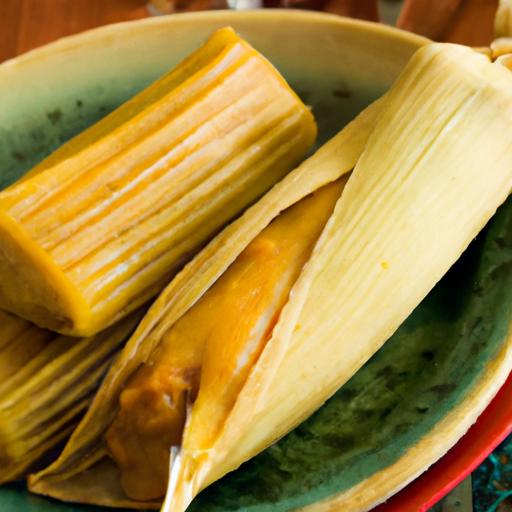

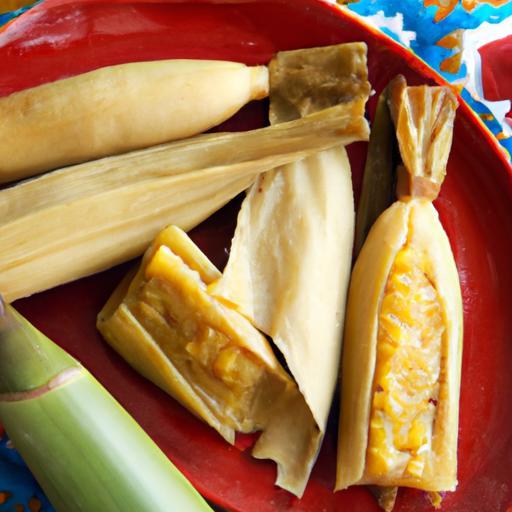
There’s a timeless magic in the humble corn kernel-a gift from ancient fields that has nourished generations and cultures alike. Among its many culinary transformations,golden corn tamales stand out as a flavorful bridge between history and flavor. These sweet, tender parcels wrapped in maize husks carry with them not just a taste, but a story: one of tradition, festivity, and the enduring spirit of community. Join us as we unwrap the layers of golden corn tamales, exploring their roots, their cultural significance, and the irresistible sweetness that has made them a beloved treasure on tables across the world.
Golden Corn Tamales beautifully capture the essence of tradition and regional diversity in Latin American cuisine. Each bite unfolds a story steeped in heritage,showcasing corn’s sacred role across generations. Raised in a household where the aroma of freshly steamed tamales was a weekend ritual, I quickly learned that perfecting their texture and flavor is an art – one that combines time-honored techniques with thoughtful ingredient choices.
Prep and Cook Time
- Preparation: 45 minutes
- Cooking: 60 minutes (including steaming)
- Total Time: 1 hour 45 minutes
Yield
Approximately 12 medium-sized tamales, perfect for sharing with family or as a special treat.
Difficulty Level
Medium: Requires patience but accessible to home cooks ready to embrace tradition.
Ingredients
- 4 cups masa harina (corn flour specially treated for tamales)
- 1 ½ cups vegetable broth (warm)
- 1 cup unsalted butter (softened)
- ⅔ cup granulated sugar
- 1 teaspoon baking powder
- ½ teaspoon salt
- 1 cup cooked sweet corn kernels (fresh or frozen, thawed)
- ⅓ cup honey (for natural sweetness and moisture)
- 1 teaspoon pure vanilla extract
- 12-15 dried corn husks (soaked in warm water for 1 hour)
Instructions
- Soak the corn husks. Submerge the husks in warm water for at least one hour until pliable.This process prevents tearing and helps in folding tamales cleanly.
- Prepare the masa dough. In a large mixing bowl,beat the softened butter with sugar until light and fluffy (about 3 minutes). Slowly incorporate the vegetable broth, honey, and vanilla extract.
- Combine dry ingredients. In a separate bowl, sift together the masa harina, baking powder, and salt.Gradually add the dry mixture to the wet ingredients,mixing thoroughly until you achieve a smooth,soft dough.
- Fold in the sweet corn kernels. these provide bursts of texture and natural sweetness, elevating the tamales’ flavor profile.
- Test the dough consistency. Drop a small ball of dough into cold water; if it floats, the texture is ready. If it sinks, beat in a bit more softened butter and continue testing.
- Assemble the tamales. Lay a soaked corn husk flat and spoon about 3 tablespoons of masa dough onto the center, spreading into a 4×4 inch square.Fold the sides towards the middle, then fold up the bottom end and tie loosely with a thin strip of husk.
- Steam the tamales. Place the assembled tamales upright in a steamer basket over boiling water. Cover with a wet towel or extra husks and steam for 60 minutes. Rotate the tamales halfway through to promote even cooking.
- Check for doneness. Tamales are ready when the masa pulls away cleanly from the husks without sticking. Let them rest for 10 minutes before serving.
Tips for Success When Perfecting Texture and Flavor of Authentic Sweet Tamales
- Masa freshness matters: Use masa harina made for tamales (not tortillas) to ensure a soft, tender dough.
- Hydration is key: Warm broth and honey help achieve an elastic masa; avoid cold liquids that can hinder texture development.
- Butter alternatives: Unsalted vegetable shortening or vegan butter blends can be used for dairy-free versions without compromising richness.
- Steam gently: Maintain a low, consistent simmer to prevent dry tamales-steady steam traps moisture.
- Flavor customizations: add a pinch of cinnamon or zest from an orange for a subtle aromatic twist that complements the natural sweetness.
- Make ahead: Tamales freeze beautifully once steamed. Wrap individually in plastic wrap and store in an airtight container for up to 3 months.
- Troubleshooting dough too dry or crumbly: Gradually add more broth or honey one tablespoon at a time until pliable.
Serving Suggestions
Present your golden corn tamales with a dusting of powdered sugar or a drizzle of warm honey to enhance their natural sweetness. Pair with fresh berries, whipped cream, or a light sprinkling of toasted cinnamon for an elegant touch. For a conventional flair,serve alongside a cup of rich hot chocolate infused with cinnamon and chili,or freshly brewed Mexican café de olla.

Nutrition Details
| Per Tamale | Calories | Protein (g) | Carbohydrates (g) | Fat (g) |
|---|---|---|---|---|
| 1 medium tamale | 210 | 4 | 30 | 7 |
For additional inspiration on corn-based Latin American dishes, explore our masa harina tortillas recipe. To learn more about the cultural significance of corn in Latin traditions, visit the Encyclopaedia Britannica’s corn overview.
Q&A
Q&A: Golden Corn Tamales – A Sweet Taste of Tradition
Q1: What makes Golden Corn Tamales so special compared to other tamale varieties?
A1: Golden Corn Tamales stand out due to their naturally sweet, buttery corn masa that’s frequently enough enhanced with a touch of honey or cinnamon. Unlike savory tamales, these emphasize the sweet, earthy flavor of fresh corn, offering a delightful dessert or festive treat that celebrates corn’s central role in many cultures.
Q2: Where do Golden Corn Tamales originate from?
A2: Golden Corn Tamales have roots deeply embedded in Mesoamerican culinary traditions. Corn has been revered for thousands of years by indigenous communities in Mexico and Central America. These tamales pay homage to that heritage by highlighting the sweet corn that was once considered a sacred gift.
Q3: What ingredients are typically used in making Golden Corn Tamales?
A3: The core ingredients include freshly ground corn masa, sugar or honey, a pinch of salt, and sometimes warm cinnamon or vanilla for aroma. Occasionally, sweet fillings such as raisins, nuts, or slices of fruit are added to complement the masa’s golden sweetness.
Q4: How are Golden Corn Tamales traditionally prepared?
A4: The masa dough is mixed until soft and pliable, then spread onto soaked corn husks. Fillings, if used, are layered gently before wrapping. The tamales are then steamed for about an hour, transforming the corn concoction into a moist, tender delicacy that bursts with natural sweetness.
Q5: Can these tamales be enjoyed year-round, or are they tied to special occasions?
A5: While Golden Corn Tamales can certainly be enjoyed any time, they often shine during harvest festivals, holidays, and family gatherings. Their nostalgic flavor and cozy warmth make them a beloved treat for celebrating tradition and togetherness.
Q6: Are there any creative twists for modern Golden Corn tamales?
A6: Absolutely! Contemporary cooks sometimes incorporate tropical fruits like pineapple or mango inside the tamales or drizzle them with a light caramel sauce after steaming. Others sprinkle toasted coconut or add a dash of chili powder for a hint of spice, balancing sweet and savory elements in playful harmony.
Q7: How can someone new to tamales best enjoy Golden Corn Tamales?
A7: Approach these tamales with an open palate and a sense of curiosity. Their texture is soft yet hearty, and the sweetness is subtle, not overpowering. Pairing them with a warm cup of spiced herbal tea or a fragrant coffee can elevate the experience, making each bite a journey into cultural richness.
Q8: Are Golden Corn Tamales suitable for special diets?
A8: Yes! As they focus on corn masa and natural sweeteners without animal fats or processed ingredients, Golden Corn Tamales can be made vegan and gluten-free. Just ensure the masa is prepared without any additives and fillings align with dietary preferences.
Q9: What cultural significance do Golden Corn Tamales hold?
A9: Beyond their delicious taste, these tamales symbolize abundance, community, and respect for the land. Sharing tamales is an act of nurturing relationships, honoring ancestors, and celebrating the cycles of nature-making each Golden Corn Tamale a small, edible story of heritage.
Q10: Where can one find authentic Golden Corn Tamales outside of their place of origin?
A10: Many local Latin American markets and specialty food stores carry fresh or frozen tamales, and some artisans maintain traditional recipes. Additionally, food festivals and cultural events frequently enough feature vendors specializing in handmade Golden Corn Tamales. For the adventurous, homemade tamale workshops and cookbooks provide the perfect gateway to mastering this sweet tradition at home.
Wrapping Up
As the final steam rises from a freshly unwrapped golden corn tamale,it carries with it more than just the sweet aroma of masa and honey-it carries centuries of tradition,culture,and community. These humble pockets of warmth connect past and present, reminding us that food is much more than sustenance; it is storytelling wrapped in corn husks, a celebration of heritage in every bite. Whether enjoyed during festive gatherings or quiet afternoons, golden corn tamales offer a delicious taste of history that continues to inspire and delight. So next time you savor this sweet tradition, remember you’re not just tasting a treat-you’re savoring a piece of living culture.