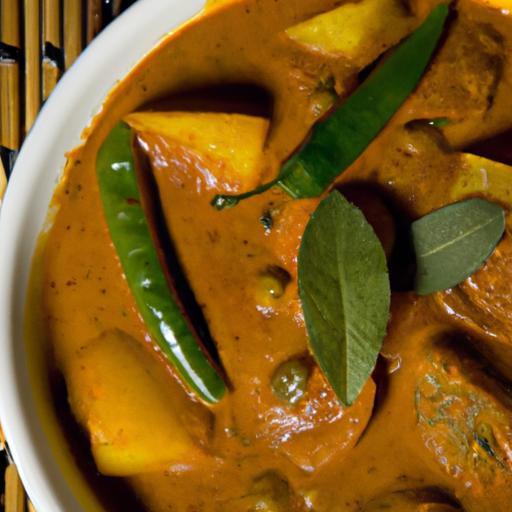



From the bustling streets of Delhi to the serene backwaters of Kerala, one culinary treasure unites the diverse tapestry of India: curry. More than just a dish, traditional Indian curry is a vibrant symphony of spices, history, and culture, passed down through generations with secrets ofen guarded like family heirlooms. In this journey through “The Timeless Taste,” we delve into the aromatic world of Indian curries-unraveling the ancient techniques, regional variations, and hidden ingredients that transform simple pots into soulful feasts. Join us as we explore how these time-honored recipes continue to captivate palates worldwide,embodying a legacy that is as rich and complex as the spices themselves.
The Timeless Taste: Exploring Traditional Indian Curry Secrets brings us to the heart of indian cuisine-where each regional spice blend tells a story, and the magic of slow simmering transforms simple ingredients into a symphony of flavors. Delving into the roots of flavor, this recipe embraces the meticulous balance of heat and harmony that defines authentic curry planning. Whether you’re a seasoned cook or an enthusiastic beginner, understanding these fundamentals will empower you to create dishes that are vibrant, comforting, and utterly unforgettable.
Prep and Cook Time
- Preparation: 20 minutes
- Cook Time: 1 hour 15 minutes (including simmering)
Yield
Serves 6 hearty portions
Difficulty Level
Medium – Ideal for cooks ready to deepen their curry-crafting skills
Ingredients
- 2 tablespoons vegetable oil (mustard oil preferred for authentic flavor)
- 1 large onion, finely sliced
- 4 cloves garlic, minced
- 1-inch piece fresh ginger, grated
- 2 teaspoons coriander seeds, toasted and coarsely ground
- 1 teaspoon cumin seeds, toasted
- 1 teaspoon turmeric powder
- 1 teaspoon red chili powder, adjust to taste
- 1 tablespoon garam masala
- 3 medium tomatoes, finely chopped
- 1 cup plain yogurt, whisked
- 500g boneless chicken thighs, cut into bite-sized pieces
- 1 cup water or homemade chicken broth
- Salt to taste
- Fresh coriander leaves for garnish
Instructions
- Warm the oil in a heavy-bottomed pan over medium heat until shimmering but not smoking.
- Add cumin seeds and wait until they begin to crackle, releasing their aroma.
- Sauté the onions until rich golden brown, about 10-12 minutes. This caramelization is essential for depth.
- Mix in ginger and garlic and cook for another 2 minutes, stirring so they don’t burn.
- Stir in coriander seeds, turmeric, and red chili powder, letting the spices toast gently for about 1 minute to unlock their flavors.
- Add chopped tomatoes, stirring frequently until they break down and form a thick, fragrant base, approximately 8 minutes.
- lower the heat, then whisk in the yogurt slowly, stirring constantly to avoid curdling, creating a luscious, creamy sauce.
- Introduce the chicken pieces, coating them thoroughly in the spiced yogurt mixture.
- Pour in water or broth, bring to a gentle simmer, cover the pan, and cook slowly for 45 minutes. Low and slow is key here: the chicken will tenderize, and flavors meld beautifully.
- finish by sprinkling garam masala over the curry and stirring once more, allowing the final warmth and complexity to settle for 5 minutes.
- Garnish with fresh coriander leaves before serving.
Chef’s Notes
- Spice Blend Versatility: Feel free to customize the heat by reducing or increasing chili powder-balancing spice with creaminess is the hallmark of this dish.
- Slow simmering: Resist rushing this step. The gentle bubbles coax out the richest flavor and tender texture.
- Yogurt Substitution: Use full-fat yogurt for creaminess or try coconut yogurt for a dairy-free choice.
- Make-Ahead Tip: this curry tastes even better the next day-prepare in advance and refrigerate, then gently reheat before serving.
- Vegetarian Variation: Swap chicken for hearty vegetables like cauliflower florets and chickpeas for a robust curry.
Serving Suggestions
Present this classic curry with fluffy basmati rice or warm, buttery naan bread to soak up every bit of its rich sauce. Brighten the plate with a wedge of lemon and a sprinkle of fresh coriander for that signature burst of freshness. For an added textural contrast, serve alongside crispy fried onions or toasted cashews.

| Nutrient | Per Serving |
|---|---|
| Calories | 380 kcal |
| Protein | 32 g |
| carbohydrates | 12 g |
| Fat | 20 g |
Discover More Authentic Flavors
Enhance your culinary journey with another traditional favorite,Classic Indian Tandoori Chicken,where smoky char and vibrant spices take center stage.
For a deeper dive into the origins and science of Indian spice blends,visit Encyclopedia Britannica’s Indian Cuisine Overview.
Q&A
Q&A: the Timeless Taste: Exploring Traditional indian Curry Secrets
Q1: What makes Indian curry so timeless and universally loved?
A1: Indian curry is a lovely tapestry woven from centuries of culinary tradition, regional diversity, and an expert blend of spices. Its timeless appeal lies in its ability to balance complex flavors-spicy, sweet, tangy, and earthy-while adapting to local ingredients. This dynamic nature keeps curry continuously evolving, yet rooted in ancient techniques that have been passed down through generations.
Q2: How do traditional Indian curries achieve their depth of flavor?
A2: The secret to that rich, layered taste starts with the masala-a carefully ground powder or paste of spices like cumin, coriander, turmeric, and garam masala. These are often dry-roasted to unlock essential oils before being combined with aromatics such as ginger, garlic, and onions. Slow cooking allows these flavors to meld deeply, creating the signature warmth and complexity of Indian curry.
Q3: Are there regional variations in Indian curry, and how do they influence the ingredients?
A3: absolutely! Northern Indian curries tend to be creamier and richer, frequently featuring yogurt, cream, or ghee, with dishes like butter chicken or dal makhani. Southern curries often embrace coconut milk, mustard seeds, curry leaves, and tamarind, adding a distinct tang and vibrancy. Each region’s climate and agriculture contribute to its unique curry palette, making every bite a journey across the subcontinent.
Q4: Is it possible to make authentic Indian curry without using modern shortcuts like pre-made spice mixes?
A4: Definitely! Traditional curries thrive on fresh, whole spices and homemade pastes.Toasting and grinding whole spices just before cooking maximizes aroma and flavor. Many home cooks swear by grinding their masala with a mortar and pestle or a spice grinder, ensuring each dish bursts with freshness. This hands-on approach connects the cook with centuries-old culinary heritage.
Q5: How crucial is the cooking technique in traditional Indian curry?
A5: Technique is as vital as ingredients. Proper tempering of spices in hot oil-a process called “tadka” or “chhonk”-awakens the spices and sets the flavor foundation. Slow simmering lets the curry thicken and flavors deepen, while achieving the perfect balance of spices requires attentive tasting and adjustment. It’s an art form that combines patience, intuition, and respect for the ingredients.Q6: Can traditional Indian curry be vegetarian without losing its richness?
A6: Indian cuisine offers a rich array of vegetarian curries that are anything but bland. Lentils (dal), paneer (Indian cottage cheese), vegetables, and legumes get transformed into hearty, flavorful dishes through generous use of spices, herbs like fresh cilantro, and the magic of slow cooking. The depth of flavor and satisfying textures prove that richness in curry comes from technique and spice mastery-not just meat.
Q7: What role do spices like turmeric and cumin play beyond flavor in curry?
A7: Beyond their warm, earthy flavors, turmeric and cumin contribute vibrant colour and health benefits.Turmeric gives curry its golden hue and is celebrated for anti-inflammatory properties.Cumin aids digestion and imparts a subtle smoky note. These spices are staples not just for taste, but for their traditional medicinal uses, linking culinary art with wellness.
Q8: How can home cooks respectfully recreate traditional Indian curry at home?
A8: Start by sourcing fresh spices and quality ingredients from specialty markets. Embrace the layering process: sauté aromatics first, toast and add spices carefully, then introduce liquids and proteins or vegetables. Patience is key-allow the curry to simmer slowly. Learn from authentic recipes but don’t be afraid to make adjustments with your palate. This interactive experience invites cooks into a rich cultural heritage while celebrating personal creativity.
Q9: What is the importance of garnishes in traditional Indian curry dishes?
A9: Garnishes do more than decorate-they enhance texture,flavor,and aroma. Fresh cilantro brings a luminous, herbal contrast; a squeeze of lemon adds zest; a drizzle of cream or ghee rounds out heat and adds silkiness. Crunchy fried onions or toasted nuts provide an exciting texture balance. Garnishes are the final flourish that transform a curry from simply delicious to unforgettable.
Q10: Why does traditional Indian curry remain relevant in modern kitchens worldwide?
A10: indian curry transcends time as it celebrates bold flavors, community, and versatility. In a fast-paced world, the slow-cooked, spice-rich curry invites us to savor the moment, connect with history, and nourish body and soul. Its adaptability-in ingredient choice, heat levels, and textures-makes it a beloved canvas for cooks everywhere seeking warmth, comfort, and culinary adventure.
To Conclude
As the aromatic spices of traditional Indian curry continue to weave their magic across centuries, they remind us that the heart of this culinary masterpiece lies not only in its ingredients but in the stories and rituals passed down through generations. Whether simmered in humble village homes or celebrated in bustling city streets, these timeless secrets invite us to savor more than just a meal-they offer a journey into India’s rich cultural tapestry. So, the next time you relish a spoonful of curry, remember: you’re tasting history, tradition, and a legacy that continues to inspire palates around the world.