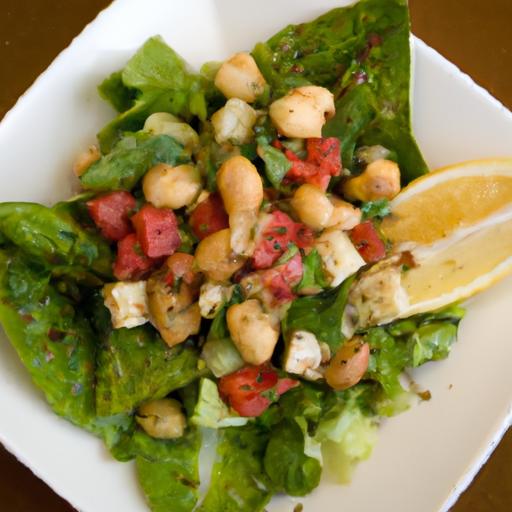


Bursting with vibrant colors and zesty flavors, Lebanese Fattoush salad is a culinary celebration of freshness and tradition. This crisp and tangy salad masterfully blends garden-fresh vegetables, toasted pita crisps, and the unmistakable citrusy punch of sumac-a spice that adds a deep, zingy twist too every bite. More than just a side dish, Fattoush is a testament to Lebanese heritage, where simple ingredients come alive through the artful use of herbs and spices. Journey with us into the heart of middle Eastern cuisine as we explore how to craft this iconic salad,perfectly balancing texture and taste with a tantalizing sumac zest. Whether you’re seeking a refreshing meal or a vibrant appetizer, Fattoush promises to awaken your palate and brighten your table.
Exploring the Fresh Ingredients That Make Fattoush irresistible
Crisp & Tangy Lebanese Fattoush Salad with Sumac Zest owes its vibrancy and irresistible charm to the bounty of fresh, garden-picked ingredients that harmonize in every bite. At the heart of this refreshing dish lies a colorful mosaic of crunchy cucumbers, ripe tomatoes bursting with juice, fragrant mint leaves, and peppery radishes. Each vegetable adds a distinct texture and natural sweetness that dances eloquently with the salad’s signature tartness.
What truly elevates the flavor profile here is the perfect balance of fresh herbs like parsley and oregano, which inject an earthy brightness, cutting through the salad’s citrusy sharpness. The interplay of these fresh vegetables and herbs invites you to savor a dish that feels both invigorating and deeply rooted in Lebanese culinary tradition. The result is an explosion of freshness that makes every forkful feel like a celebration of wholesome, Mediterranean sunshine.
Unlocking the Magic of Sumac and Its Zesty Impact on Flavor
Sumac is the aromatic powerhouse that transforms this crisp salad into an iconic Lebanese classic. This ruby-red powder, derived from ground berries of the sumac bush, imparts a tangy, lemony sparkle that is far more complex than simply squeezing lemon juice. Its subtle acidity sharpens the palate, unfolding bright citrus notes that beautifully complement the rich olive oil and the freshness of the vegetables.
Sprinkling sumac throughout your fattoush – in the salad itself and in the dressing – amplifies its signature tang. Its slightly fruity, floral undertone adds dimension, creating a zesty punch that keeps every bite lively. Exploring local or reputable Middle Eastern markets for authentic sumac guarantees purity and intensity, delivering that quintessential “snap” of flavor loved in Lebanese kitchens worldwide.
Step-by-Step Guide to Perfectly Toasted Pita for Ultimate Crunch
Achieving the ideal crunch in fattoush hinges on the pita bread – and its a simple yet transformative step. Begin with fresh or day-old pita, sliced into bite-sized triangles or strips. heat a dry skillet over medium heat until hot but not smoking. Layer the pita pieces evenly in the pan, allowing them to toast undisturbed for about 2 to 3 minutes. You’re looking for a golden brown color with slightly blistered edges, which create the perfect contrast against the salad’s tender vegetables.
Flip and toast the other side similarly, pressing gently with a spatula to ensure even crisping. alternatively, a hot oven broiler or toaster oven works splendidly for hands-off results – just keep a close eye to avoid burning. once toasted, immediately sprinkle a pinch of sumac or a light sea salt to enhance their savory crunch. letting pita cool on a rack preserves the crisp texture, so it won’t soften when mixed with the juicy salad later.
Tips for Crafting a Vibrant Dressing That Brings Fattoush to Life
The dressing is where freshness meets finesse. A vibrant emulsion of freshly squeezed lemon juice, high-quality extra virgin olive oil, and a generous dash of sumac creates the foundational zing that coats every piece of crisp vegetable. Start by whisking the lemon juice with sumac, a touch of salt, and freshly ground black pepper until the flavors meld perfectly.
Gradually drizzle in olive oil to build a silky texture while maintaining the dressing’s bright acidity. Incorporating minced garlic or a small pinch of crushed dried mint can lift the profile further, adding subtle layers of flavor that surprise and delight. Taste as you go to achieve balance – the dressing should be lively enough to enhance but gentle enough to let the fresh produce shine.
For extra creaminess, a spoonful of plain tahini can be swirled in, offering a nutty depth without overpowering the essential tang. Embrace this dressing’s versatility to tweak acidity or spice to your preference, making your fattoush uniquely yours.
Prep and Cook Time
- Prep Time: 20 minutes
- Cook Time: 5 minutes (for toasting pita)
Yield
- Serves 4 as a refreshing side or light main
Difficulty Level
- Easy – Perfect for beginners and seasoned cooks alike
Ingredients
- 2 pita breads, cut into triangles
- 2 large cucumbers, diced
- 3 ripe tomatoes, chopped
- 4 radishes, thinly sliced
- 1 red bell pepper, diced
- 1 cup fresh parsley, roughly chopped
- ½ cup fresh mint leaves, torn
- ¼ cup green onions, sliced
- 1 tablespoon dried oregano
- 2 lemons, juiced
- ⅓ cup extra virgin olive oil
- 2 teaspoons sumac, plus extra for garnish
- 1 garlic clove, minced (optional)
- Salt and freshly ground black pepper, to taste
Instructions
- Toast the pita: Heat a dry skillet on medium heat. Add pita triangles and toast for 2-3 minutes per side until golden and crisp. Remove and sprinkle immediately with a pinch of sumac and sea salt. Set aside to cool.
- Prepare the vegetables: In a large bowl, combine diced cucumbers, chopped tomatoes, sliced radishes, diced red bell pepper, parsley, mint, green onions, and oregano.
- Mix the dressing: In a small bowl, whisk lemon juice, minced garlic (if using), sumac, salt, and black pepper.Slowly drizzle in olive oil while whisking until emulsified and balanced.
- Assemble the salad: Pour the dressing over the vegetable mixture, tossing gently to coat evenly but avoiding bruising delicate herbs.
- Add the crunch: Just before serving,fold in the toasted pita triangles,stirring lightly to distribute evenly while retaining crispness.
- Garnish: Sprinkle additional sumac over the top and add a few fresh mint leaves for a pop of color and aroma.Serve immediately for the best texture contrast.
Chef’s Notes
- For a gluten-free option, substitute pita with gluten-free flatbread or baked gluten-free crackers, adding to the salad just before serving.
- Sumac is key – avoid subbing with lemon powder or citric acid; its unique tartness and subtle fruitiness are essential.
- Make the dressing ahead and store it separately in the refrigerator to keep the salad fresh and crisp.
- If you prefer a creamier twist,add 1 tablespoon of tahini to the dressing for a smooth,nutty allure.
Serving Suggestions
Present this salad in a wide, shallow bowl to showcase its vibrant colors. Garnish with extra lemon wedges on the side and a sprinkling of toasted pine nuts or pomegranate seeds for bursts of sweetness and texture. Pair with grilled chicken or falafel for a complete Mediterranean feast, or serve as a zesty appetizer alongside hummus and warm flatbreads.
| Nutrient | Per Serving (Approx.) |
|---|---|
| Calories | 180 kcal |
| Protein | 4 g |
| Carbohydrates | 18 g |
| Fat | 10 g |
Discover more vibrant Mediterranean salad recipes to expand your culinary repertoire. For detailed information about sumac’s health benefits and cultural heritage, visit the Encyclopedia Britannica on sumac.

Q&A
Q&A: Crisp & Tangy Lebanese Fattoush Salad with Sumac Zest
Q1: What makes Fattoush salad distinct from other salads?
A1: Fattoush stands out with its vibrant medley of fresh vegetables combined with crispy toasted or fried pita bread pieces. The magic lies in its bright, tangy dressing spiked with sumac-a lemony-red spice that gives the salad its signature zing and colorful sprinkle atop. It’s a refreshing dish that balances crunchy textures with zesty flavors.
Q2: What role does sumac play in Fattoush?
A2: Sumac is the star spice of Fattoush, lending a tart, citrusy note reminiscent of lemon or vinegar but with a softer, earthy undertone. Sprinkled over the salad and mixed into the dressing, it elevates the dish’s brightness and provides a beautiful crimson hue that makes each bite lively and aromatic.
Q3: Which fresh ingredients are essential for an authentic Fattoush?
A3: The freshness is central! Typical essentials include crisp romaine or mixed greens, ripe tomatoes, cucumbers, radishes, green onions, and fresh herbs like mint and parsley. these elements create a refreshing, crunchy base that contrasts beautifully with the toasted pita and tangy dressing.
Q4: Can Fattoush be customized for different tastes or diets?
A4: Absolutely! While the traditional recipe is naturally plant-based and gluten-containing (due to the pita), you can swap regular pita for gluten-free or whole-grain versions. Additives like pomegranate seeds for a burst of sweetness or a pinch of aleppo pepper for mild heat can personalize the salad. It’s super versatile and welcomes creativity.
Q5: How is the pita bread prepared to achieve that perfect crunch?
A5: The pita is typically cut or torn into bite-sized pieces, then toasted in a dry skillet or baked until golden and crispy. Some recipes lightly fry the pita for an extra crunchy texture. The goal is to have a sturdy crunch that holds up under the dressing but still adds a delightful contrast to the tender veggies.
Q6: What is the best way to dress Fattoush for maximum flavor?
A6: Traditional Fattoush dressing combines fresh lemon juice, olive oil, garlic, sumac, and a pinch of salt and pepper. The acidity from the lemon and sumac brightens the salad, while olive oil adds a silky richness.Whisking these ingredients thoroughly before tossing ensures every leaf and crunch gets perfectly coated.
Q7: when is the best time to serve Fattoush?
A7: Fattoush shines as a light lunch, a side to grilled dishes, or a refreshing starter during warm weather. Its crispness and tang make it perfect for summer dining, though it’s delightful year-round whenever you crave a fresh, vibrant salad.Q8: Is Fattoush a healthy choice?
A8: Yes! Packed with fresh vegetables, herbs, and healthy fats from olive oil, Fattoush is nutrient-rich, low in calories, and full of fiber and antioxidants. The use of sumac adds antioxidant benefits as well,making it a wholesome,nutrient-dense option that’s both flavorful and healthful.Q9: Can I prepare Fattoush in advance?
A9: It’s best to prepare the vegetables and dressing ahead of time but toss the salad with the pita just before serving to keep the bread crispy. Prepping components ahead helps speed up assembly and keeps textures vibrant and fresh.
Q10: What dishes pair well with Fattoush on a Mediterranean menu?
A10: Fattoush pairs beautifully with dishes like grilled chicken skewers, roasted vegetables, stuffed grape leaves, or creamy hummus and baba ganoush. Its fresh tang cuts through richer flavors, bringing balance and brightness to the table.
The Way Forward
In the vibrant tapestry of Mediterranean cuisine, the Crisp & Tangy Lebanese Fattoush Salad with Sumac Zest stands out as a refreshing celebration of fresh flavors and textures. Its bright, citrusy notes and the subtle zing of sumac not only awaken the palate but also tell a story of tradition and culinary artistry. Whether enjoyed as a light lunch or a zesty side, this salad invites you to embrace simplicity with a twist-proving that sometimes, the most memorable dishes are those that balance crispness and tang in perfect harmony. So next time you crave a burst of flavor and crunch, let fattoush be your go-to, a timeless classic that’s as nourishing as it is delightful.