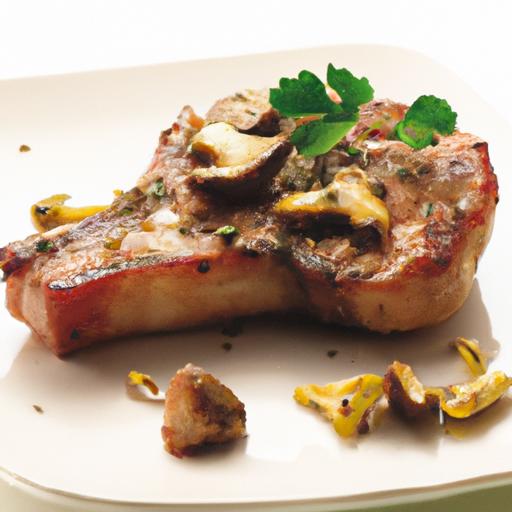




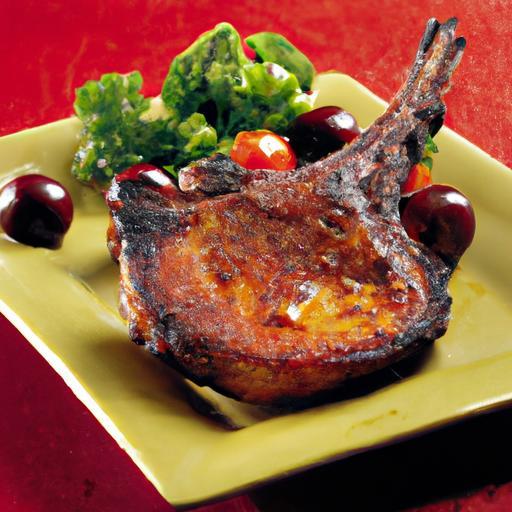
In a world racing toward the new and the novel, there lies a comforting refuge in the age-old flavors that have graced our tables for generations. “Savor Tradition: Timeless Heritage Meat Recipes to Try today” invites you on a culinary journey that transcends time, where each dish tells a story steeped in culture, family, and craftsmanship.These recipes are more than just meals-they are edible heirlooms, passed down through hands weathered by years of mastery and heart. Whether you’re a seasoned cook or a curious foodie, rediscover the rich tapestry of heritage meats and the enduring techniques that bring them to life, connecting us to our roots with every savory bite. Join us as we celebrate the art of tradition, one recipe at a time.
Savor tradition: timeless heritage meat recipes to try today transports you back to the heart of rustic kitchens where every cut of meat tells a story. These classic heritage meat dishes are more than just meals-they are celebrations of culture, family legacies, and culinary artistry passed down through generations.Imagine the tender,succulent texture of heritage beef or lamb slow-cooked to perfection,infused with centuries-old techniques that enhance natural flavors without overwhelming them. This journey explores how masterful seasoning, thoughtful planning, and intentional cooking methods can elevate customary flavors into memorable feasts.
Prep and Cook Time
- Preparation: 20 minutes
- Cook Time: 3 hours (slow-cooked recipes may vary)
- Total Time: Approximately 3 hours 20 minutes
Yield
- Serves 6 hearty portions
Difficulty level
- Medium – Ideal for home cooks ready to embrace traditional techniques
Ingredients
- 2 lbs heritage grass-fed beef chuck roast, trimmed and tied
- 2 tbsp extra virgin olive oil
- 1 large onion, thinly sliced
- 4 garlic cloves, minced
- 3 large carrots, peeled and cut into chunks
- 2 sprigs fresh rosemary
- 2 sprigs fresh thyme
- 2 cups organic beef broth
- 1 tbsp Dijon mustard
- 1 tbsp tomato paste
- Salt and freshly ground black pepper to taste
- 1 bay leaf
- 2 tbsp all-purpose flour (for thickening)
Instructions
- Preheat your oven to 325°F (163°C). Season the heritage beef chuck roast generously with salt and freshly ground black pepper on all sides. This initial seasoning helps to build flavorful crust and lock in juices.
- heat the olive oil in a heavy-bottomed Dutch oven over medium-high heat. Once shimmering, sear the roast for 4-5 minutes per side until a rich, golden crust forms. avoid moving it too much-let the meat naturally release from the pan before turning.
- Remove the beef and set aside. Lower the heat to medium, add the sliced onions and sauté until translucent and lightly caramelized, about 7 minutes. Stir frequently to prevent burning and release natural sweetness.
- Add the garlic, carrots, tomato paste, rosemary, thyme, and bay leaf. Stir well and cook for another 2 minutes to deepen aromatic profiles.
- Return the roast to the pot, nestling it among the vegetables. Pour in the beef broth and whisk in the Dijon mustard. The liquid should come halfway up the meat; add water if needed. bring to a gentle simmer on the stovetop.
- Cover the dutch oven with a tight-fitting lid and transfer to the preheated oven. Cook low and slow for 2.5 to 3 hours,or until the meat is fork-tender and pulls apart easily.
- Once done,remove the beef and vegetables to a serving platter and cover warm. Place the pot back on the stove over medium heat. Mix the flour with 2 tbsp cold water to form a slurry, then stir into the cooking liquid to thicken the sauce gently, whisking steadily. Simmer until velvety and glossy, about 4-5 minutes.
- Slice or shred the beef as preferred, plate with the roasted vegetables, and drizzle with the rich pan sauce. Garnish with fresh rosemary sprigs for an earthy aroma.
Chef’s Notes
- For an alternative heritage cut, replace beef chuck with grass-fed lamb shoulder for a slightly gamey twist that honors the same slow-cooking tradition.
- When searing the meat, a cast-iron skillet works exceptionally well to build flavor through the Maillard reaction.
- To prepare in advance, cook the roast fully, cool, and refrigerate overnight. Reheat gently in the sauce for moist, flavorful leftovers.
- Use homemade beef broth or quality organic stock for the cleanest, richest taste that is key to heritage meat recipes.
- omit added salt during cooking if using a salty broth; adjust seasoning at the end to your preference.
Serving Suggestions
Serve your heritage beef roast alongside buttery roasted root vegetables or creamy mashed potatoes to soak up every drop of the luscious sauce. A crisp green salad with a tangy vinaigrette cuts through the richness beautifully, while a sprinkling of fresh herbs like parsley or chives adds a burst of color and freshness. for a traditional touch, crusty artisan bread provides the perfect vehicle for savoring lingering sauce flavors.

| Nutrient | Per Serving |
|---|---|
| Calories | 450 kcal |
| Protein | 42 g |
| Carbohydrates | 12 g |
| Fat | 22 g |
Discover more ways to honor heritage meat traditions in our heritage lamb recipes collection or elevate your knowledge on lasting meat sourcing through Sustainable Meat Institute.
Q&A
Q&A: Savor Tradition - Timeless Heritage Meat Recipes to Try Today
Q1: What defines a heritage meat recipe, and why are these recipes considered timeless?
A: Heritage meat recipes are culinary treasures passed down through generations, often rooted in specific regions or cultures.They emphasize traditional techniques and ingredients, showcasing the authentic flavors and stories of the past.These recipes transcend trends, offering a taste of history that connects us to our roots and preserves culinary heritage.
Q2: Which types of meats are commonly featured in heritage recipes, excluding pork?
A: While pork is absent by choice, heritage meat recipes frequently highlight beef, lamb, game birds, and sometimes wild game.Each meat carries its own cultural significance-whether it’s the hearty beef stews of northern Europe or the delicate roasted lamb dishes found around the Mediterranean, these meats serve as a canvas for time-honored preparations.
Q3: How can contemporary cooks honor tradition when preparing these classic meat dishes?
A: Honoring tradition begins with respect for ingredient quality and cooking methods. Using locally sourced, ethically raised meat is key. Embracing slow cooking techniques-like braising,roasting,and stewing-enhances flavor and texture just as generations before did.immersing yourself in the story behind each recipe deepens appreciation and connection to the dish.
Q4: Are there any heritage meat recipes that are notably accessible for home cooks new to traditional cooking?
A: Absolutely! Dishes like Irish beef and stout stew (without the stout, or using broth alternatives), classic roast leg of lamb with herbs, or rustic venison stew offer approachable yet flavorful introductions. These recipes often involve straightforward steps but reward patience and care with rich, soulful results.
Q5: How do heritage meat recipes reflect cultural identity beyond just ingredients?
A: Heritage recipes embody culture through ritual and community-family gatherings, seasonal celebrations, and shared meals define their essence. The methods, seasoning choices, and presentation often tell stories of local history, climate, and values, making each dish a living testament to cultural identity.
Q6: What role do spices and herbs play in traditional meat recipes?
A: Herbs and spices are the silent narrators of heritage dishes. They elevate meat with regional character-think rosemary and thyme in Mediterranean roasts,juniper and bay leaves in northern European stews,or coriander and allspice in Middle eastern lamb preparations.These flavorings not only complement but also preserve the authenticity of the recipe.
Q7: Can these heritage recipes be adapted for modern dietary preferences without losing their essence?
A: Yes, with thoughtful adjustments, tradition can meet modern tastes. As an example, you can replace heavy fats with lighter oils or reduce salt while maintaining key spices and cooking styles. The essence lies in honoring the technique and flavor profiles rather than rigidly copying every detail, allowing each cook to personalize with respect.
Q8: How can one start building a collection of heritage meat recipes?
A: Begin by exploring cookbooks focused on regional cuisines, interviewing family members about their culinary traditions, or researching ethnographic food histories. Experiment with recipes that resonate personally and document your experiences.Over time, this growing repertoire becomes a living archive-connecting past and present at your dinner table.
Q9: What makes heritage meat dishes relevant in today’s culinary landscape?
A: In an era of fast food and fleeting trends, heritage dishes invite us to slow down, savor, and celebrate the human connection behind each bite. They remind us to value quality, patience, and storytelling through food-keeping cultural memories alive while enriching modern palates with depth and meaning.
Q10: Where can curious food lovers find inspiration for trying these timeless recipes today?
A: Inspiration springs from many sources: farmers’ markets brimming with seasonal meats,traditional food festivals,online forums dedicated to ancestral cooking,and community cooking classes that honor old-world techniques. Combining these avenues opens a world where history and flavor beautifully collide.
Wrapping Up
As we close the chapter on these timeless heritage meat recipes, one truth remains clear: the flavors of tradition are more than just meals-they are stories, memories, and connections passed down through generations. By savoring these recipes today, we not only honor the past but also enrich our present tables with depth, history, and heart. So whether you’re a seasoned cook or a curious foodie, embracing these culinary legacies offers a appetizing way to keep heritage alive-one bite at a time.