


In the vibrant tapestry of Indian cuisine, few dishes capture the soul of tradition quite like Gujarati Dal. More than just a humble lentil preparation, this flavorful delight is a journey thru time, culture, and the rich agricultural heritage of Gujarat. Infused with an aromatic blend of spices, tempered with mustard seeds, curry leaves, and hing, and often brightened by a tangy hint of jaggery or tamarind, Gujarati Dal is a festivity of balance-between sweet and savory, simple and complex, hearty and wholesome. As we delve into the story behind this cherished staple, we uncover not just a recipe but a flavorful legend that continues to nourish families and evoke the warmth of home-cooked comfort across generations. Join us as we explore the origins,ingredients,and cultural significance of Gujarati Dal-a dish that truly embodies the essence of conventional lentils with a distinctly Gujarati flair.
Gujarati Dal offers a wonderful glimpse into the heart of traditional Indian home cooking, showcasing a harmonious blend of lentils and spices that have been cherished across generations. This dish is more than just nourishment-it’s an aromatic celebration of gujarat’s culinary heritage, where the balance of sweet, tangy, and savory notes artfully elevates simple lentils into a comforting staple.
Prep and Cook Time
- Preparation Time: 15 minutes
- Cooking Time: 45 minutes
- Total Time: 1 hour
Yield
Serves 4 hearty portions
Difficulty Level
Easy to Medium – perfect for both beginners and seasoned cooks eager to explore traditional flavors.
Key Ingredients and Spices That Define Authentic Flavors
- Toor dal (split pigeon peas) - 1 cup, rinsed thoroughly
- Turmeric powder – ½ teaspoon
- Asafoetida (hing) – a pinch
- Mustard seeds – 1 teaspoon
- Cumin seeds - 1 teaspoon
- Fenugreek seeds – ¼ teaspoon, optional but authentic
- Garlic cloves – 3, finely chopped or crushed
- Green chilies – 2, slit or chopped
- Grated ginger - 1 tablespoon
- Fresh curry leaves – 10-12 leaves
- Tamarind pulp – 1 tablespoon (adjust to taste)
- Jaggery or brown sugar - 1 teaspoon, for that subtle sweetness
- Salt - to taste
- Water – 4 cups
- Ghee or vegetable oil – 2 tablespoons
- Fresh coriander leaves - a handful, chopped for garnish
Step-by-Step Guide to Perfecting Your Gujarati Dal
- Prepare the Dal: Rinse the toor dal under cold water until the water runs clear. Soak for 10 minutes if time allows to reduce cooking time.
- Cook the lentils: In a pressure cooker or heavy-bottomed pot, combine rinsed dal, turmeric powder, and 3 cups of water.Cook until the dal turns soft and mashable (about 3-4 whistles in pressure cooker or 40 minutes simmering on stovetop). Stir occasionally to prevent sticking.
- Make the Tamarind Paste: Soak tamarind pulp in half a cup of warm water for 10 minutes, then strain to extract smooth tamarind water.Set aside.
- prepare the Tempering (Tadka): Heat ghee or oil in a deep pan on medium heat. Add mustard seeds and wait for them to pop. Then add cumin seeds, fenugreek seeds, asafoetida, curry leaves, green chilies, garlic, and ginger. Sauté until the garlic turns golden and fragrant, about 3-4 minutes.
- Combine and Simmer: Add the cooked dal into the pan with the tempering. Stir gently to combine.
- Add Tamarind and Jaggery: Pour in the tamarind water and add jaggery or brown sugar. Stir well, then add remaining water to adjust consistency to your preference - Gujarati dal is typically thinner and soupier than other dals.
- adjust Seasoning: Add salt to taste and bring the dal to a slow boil.Simmer on low heat for 10-15 minutes to marry the flavors perfectly. Stir occasionally. The flavors should be balanced with subtle sweetness and tanginess.
- Final Touch: Garnish generously with chopped fresh coriander. Serve piping hot.
Tips and Variations for Elevating Every Serving
Choose the Right Lentils: Authentic Gujarati Dal uses toor dal, as its creamy texture supports the perfect balance of spices, but you can experiment by adding a small portion of moong dal for a lighter texture.
Sweetness Matters: adjust jaggery quantities carefully. Too little loses the characteristic Gujarati sweetness; too much overwhelms the dal’s natural earthiness.
Personalize Your Tempering: For a smokier aroma, add a pinch of dried red chili with the tempering or a teaspoon of grated coconut for a regional twist.
Make-Ahead Friendly: Gujarati dal reheats beautifully. Store in the refrigerator up to 3 days. Reheat with a splash of water and a fresh tempering of mustard and cumin seeds for revitalized flavor.
Pairing Suggestions: Serve alongside soft phulkas or jeera rice to round out the meal. Add a dollop of homemade yogurt or a wedge of lemon on the side for added zest.
Serving Suggestions
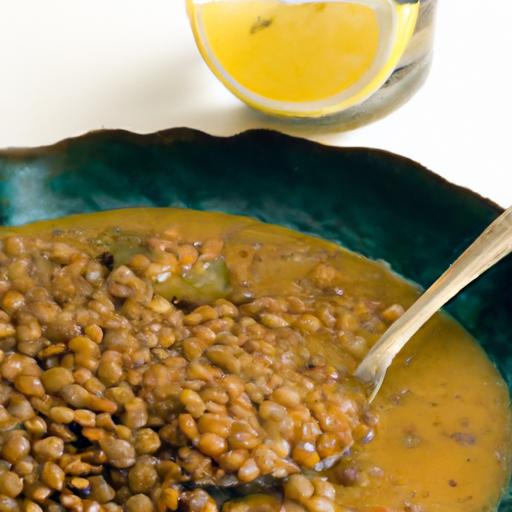
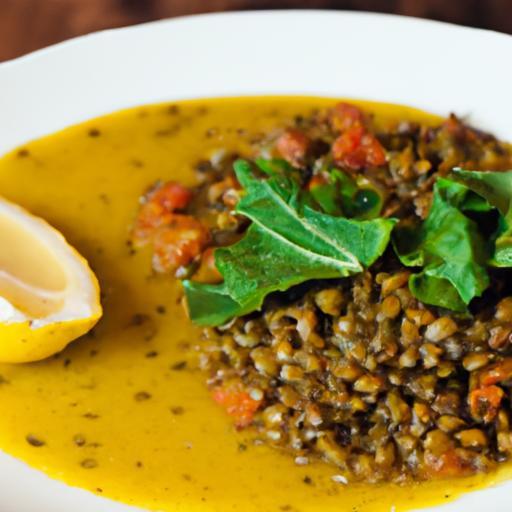
Present Gujarati Dal in a luminous bowl to highlight its inviting golden hue. Garnish with a sprinkle of fresh coriander and, if desired, a few thinly sliced fresh green chilies for a burst of color and heat. Serve alongside a crisp salad of cucumber and tomato or crunchy papad. A drizzle of ghee on top just before serving adds luxurious mouthfeel.

| Nutrient | Per Serving (approx.) |
|---|---|
| Calories | 210 kcal |
| Protein | 12 g |
| Carbohydrates | 32 g |
| Fat | 5 g |
For further exploration of traditional Indian legumes and spices,visit the National Horticulture Mission’s extensive spice guide. Delving into these ingredients will deepen your appreciation of every Gujarati Dal spoonful.
Q&A
Q&A: Gujarati Dal – A Flavorful Journey Through Traditional Lentils
Q1: what makes Gujarati Dal distinct from other types of dal?
A1: Gujarati Dal is uniquely characterized by its harmonious balance of sweet, salty, and tangy flavors. Unlike many dals that lean heavily on spicy heat, this dal embraces a subtle sweetness, frequently enough from jaggery or sugar, combined with a hint of tanginess from tamarind or lemon, creating a comforting, soulful dish that reflects the Gujarati palate.
Q2: Which lentils are commonly used in Gujarati Dal?
A2: The primary lentils used are yellow moong dal (split yellow gram) and toor dal (pigeon peas). Frequently enough, these lentils are cooked until soft and then tempered with aromatic spices, giving the dal a silky texture and a fragrant aroma that is both inviting and nourishing.
Q3: How is the flavor profile of Gujarati Dal achieved?
A3: The magic lies in the tempering (tadka) process and the choice of ingredients. Cumin seeds, mustard seeds, asafoetida, fresh ginger, green chilies, and curry leaves are fried gently in oil to release their flavors before being mixed into the cooked lentils. Adding jaggery provides sweetness, while tamarind or lemon juice adds a refreshing tartness, creating a layered and complex taste.
Q4: Is Gujarati Dal typically served with special accompaniments?
A4: Absolutely! Gujarati Dal is often enjoyed with steamed basmati rice and a side of vegetable sabzis, pickles, and papads. Together, these elements make a well-rounded meal that is both nutritious and satisfying, showcasing the culinary harmony of gujarati cuisine.
Q5: Can Gujarati Dal be adapted for diffrent dietary preferences?
A5: Certainly! Gujarati Dal is naturally vegetarian and gluten-free.For a vegan meal,simply use oil rather of ghee for tempering. The recipe is versatile and can be adjusted by varying the spice levels or by adding different lentils, making it easy to personalize while honoring tradition.
Q6: What cultural significance does Gujarati Dal hold?
A6: In Gujarat, this dal is more than just a dish; it’s a symbol of home-cooked warmth and hospitality. it reflects the Gujarati ethos of balancing flavors thoughtfully and celebrating simplicity with elegance. Often featured in festive meals and everyday dining alike, Gujarati Dal connects generations through its timeless taste.
Q7: Are there any tips for making the perfect Gujarati Dal at home?
A7: Patience is key-slow-cook the lentils until they’re wholly soft and melded with the tempering spices. Balance the sweetness and tang to your preference, tasting as you go. Using fresh ingredients, especially jaggery and tamarind, can elevate the authentic flavor. lastly, a generous dollop of homemade ghee adds a final touch of richness.
Q8: How does Gujarati Dal reflect the broader Gujarati culinary tradition?
A8: Gujarati cuisine is renowned for its delicate interplay of flavors-sweet, sour, salty, and spicy-in a single dish.Gujarati Dal embodies this signature characteristic perfectly. It showcases the region’s inventive use of legumes and spices while emphasizing nutrition,economy,and palate-pleasing subtlety.
Q9: Can Gujarati Dal be enjoyed outside of traditional meals?
A9: Definitely! While it’s classically paired with rice, Gujarati Dal can also be a comforting soup or a hearty base for vegetable stews. Its versatile nature means you can enjoy it as a light lunch, a cozy dinner, or even a wholesome snack, making it an enduring favorite beyond the dinner table.
This Q&A invites readers to savor the story behind Gujarati Dal, unveiling the culinary secrets and cultural heritage that make it a timeless treasure in Indian cuisine.
In Conclusion
As the aromatic spices settle and the hearty warmth of Gujarati dal lingers on the palate, we are reminded that this humble lentil dish is far more than nourishment-it is a vibrant tapestry of tradition, culture, and culinary artistry. Each bowl tells a story of generations who have perfected the balance of tangy tamarind, fresh jaggery, and a symphony of spices, creating a flavor that is uniquely Gujarati. Whether enjoyed with a crisp papad or fluffy rice, Gujarati dal invites food lovers on a flavorful journey through the heart of India’s rich heritage. So next time you savor its comforting depths, take a moment to appreciate not just the taste, but the timeless legacy simmering in every spoonful.