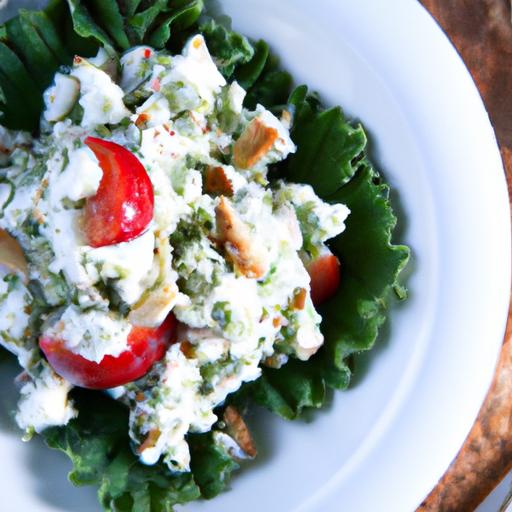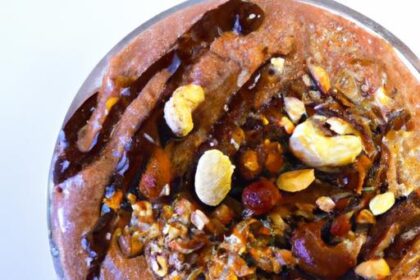


In the ever-evolving world of plant-based eating, few innovations spark as much curiosity and delight as dairy-free alternatives that don’t compromise on texture or taste. Enter non-dairy cottage cheese: a creamy, tangy revelation that challenges our conventional notions of this beloved staple. Crafted from nuts, legumes, or innovative fermentation techniques, these creamy concoctions mimic the familiar curds and richness-without a drop of dairy in sight. Whether you’re vegan,lactose-intolerant,or simply curious about expanding your culinary horizons,exploring non-dairy cottage cheese opens a new chapter in creamy indulgence,blending nutrition,sustainability,and flavor in one delightful scoop.
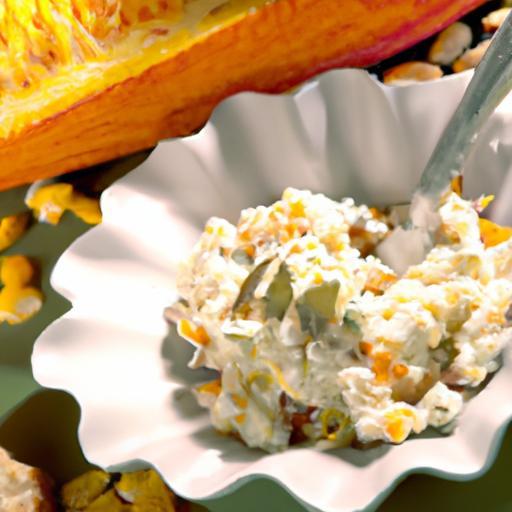
Creamy & Dairy-Free: Exploring non-dairy cottage cheese offers an exciting gateway into rich textures and vibrant flavors that challenge traditional dairy norms. Whether you are vegan, lactose-intolerant, or simply curious about plant-based alternatives, this versatile ingredient transforms everyday dishes with its delicate, slightly tangy profile and satisfying creaminess. From its origins inspired by classic cottage cheese to innovative plant-based reinventions, non-dairy versions bring healthful benefits and culinary adaptability that invite creative experimentation in your kitchen.
Prep and Cook Time
Preparation: 10 minutes
Cooking: 15 minutes
Total Time: 25 minutes
Yield
Approximately 1 ½ cups (serves 4 as a topping or spread)
Difficulty Level
Easy – perfect for home cooks exploring plant-based alternatives
Ingredients
- 1 cup raw cashews, soaked in warm water for 2 hours and drained
- ¼ cup firm tofu, crumbled (pressed to remove excess water)
- 2 tbsp fresh lemon juice
- 2 tbsp unsweetened plant-based yogurt (coconut or almond-based)
- 1 tbsp apple cider vinegar
- ¼ tsp sea salt
- ¼ tsp garlic powder
- ¼ tsp onion powder
- ½ cup water (adjust for texture)
- 2 tbsp nutritional yeast (optional, for cheesy depth)
Instructions
- Drain and rinse the soaked cashews. Add them to a high-speed blender along with crumbled tofu, lemon juice, apple cider vinegar, garlic powder, onion powder, salt, and nutritional yeast if using.
- Pour in ½ cup water to start and blend on high until smooth but still thick; you want a creamy but slightly chunky texture reminiscent of traditional cottage cheese.Add water gradually to reach ideal thickness.
- Transfer the mixture to a bowl. Use a rubber spatula to gently fold in the plant-based yogurt-this adds a subtle tang and mimics the curd texture beautifully.
- Cover and refrigerate for at least 1 hour to firm up and develop flavors.The chilled resting time also allows the tanginess to deepen,enhancing the dairy-free creaminess.
- Before serving, stir gently to fluff and loosen the texture. Taste and adjust salt or lemon juice according to preference.
Chef’s Notes
- Variation: For a nut-free option, substitute soaked sunflower seeds for cashews. Note that the taste will differ slightly but still be deliciously creamy.
- Make-Ahead: Store in an airtight container for up to 4 days in the refrigerator. The texture may firm up-simply stir with a splash of water or lemon juice before serving.
- Texture Tips: Avoid over-blending to keep the characteristic curdled feel. Pulse instead of continuous blending for chunkier bites.
- Flavor Boosters: Fresh herbs like dill or chives folded in before chilling add an herbal brightness perfect for spreads or dips.
Serving Suggestions
This creamy & dairy-free cottage cheese pairs beautifully as a topping or base. Spread it generously on toasted sourdough, dollop on warm baked potatoes, or toss through vibrant salads for added protein richness. Garnish with freshly cracked black pepper, a drizzle of extra virgin olive oil, and a sprinkle of smoked paprika or chopped fresh parsley to elevate presentation. It also shines as a filling for savory crepes or stuffed onto grilled vegetables, offering a luscious texture and enticing tang in any dish.

| Nutrient | Per ¼ cup Serving |
|---|---|
| Calories | 120 |
| Protein | 6 g |
| Carbohydrates | 7 g |
| Fat | 8 g |
| Fiber | 1.5 g |
For those eager to explore commercial options, brands such as Silk and Kite Hill offer superb ready-made non-dairy cottage cheeses cultured from almonds and cashews. Alternatively, this homemade recipe remains adaptable and fresh, encouraging experimentation with plant-based, wholesome ingredients.
For more creative plant-based dairy alternatives,check out our guide to vegan cheeses and unlock further inspiration to enrich your culinary repertoire.
Q&A
Q&A: Creamy & Dairy-Free: Exploring non-Dairy Cottage Cheese
Q1: What exactly is non-dairy cottage cheese?
A: Non-dairy cottage cheese is a plant-based alternative to traditional cottage cheese, crafted without any animal milk.Rather,it uses ingredients like nuts,soy,or coconut to recreate the creamy texture and mild tang that cottage cheese lovers cherish-only completely vegan and frequently enough more digestible for those with lactose intolerance.
Q2: How is the creamy texture achieved without dairy?
A: The magic lies in blending and culturing plant proteins and fats. For example, soaked cashews or almonds provide a naturally creamy base. These nuts are blended with water and sometimes fermented with live cultures to develop that familiar slightly tangy bite and curd-like consistency.Tapioca starch or agar may be gently folded in to give that signature “curd” feel.
Q3: What are some common base ingredients for non-dairy cottage cheese?
A: Popular bases include cashews, almonds, tofu, and coconut milk. Each brings a unique character: cashews offer richness,tofu adds protein and firmness,almonds bring a subtle nutty note,and coconut lends a luscious creaminess. Manufacturers and home chefs often experiment with blends to perfect both taste and texture.
Q4: Is non-dairy cottage cheese suitable for people with allergies?
A: It can be, but it depends on the ingredients. Many non-dairy versions use tree nuts like cashews or almonds,which are allergens for some. Luckily, options made from soy or peas are increasingly available, catering to those with nut sensitivities. Always check labels or recipes carefully to ensure safety for your dietary needs.Q5: How does the flavor of non-dairy cottage cheese compare to traditional dairy cottage cheese?
A: While it may not be identical, many brands and recipes come impressively close. Non-dairy versions often have a subtle nutty undertone and a fresh tang from cultured ingredients, which mimic the lactic sourness found in dairy cheese. Some might lean milder or slightly sweeter, but the overall creamy mouthfeel is often just as satisfying.Q6: Can non-dairy cottage cheese be used in cooking and baking just like regular cottage cheese?
A: Absolutely! Its creamy texture and mild flavor make it versatile. Use it in salads, on toast, in dips, or even as a topping for baked dishes like lasagna or stuffed peppers. It effectively works well in sweet recipes too, such as pancakes or desserts, adding moisture and protein without dairy.
Q7: What are the nutritional benefits of choosing non-dairy cottage cheese?
A: Non-dairy cottage cheese often packs a good punch of plant protein and healthy fats,especially when made from nuts or legumes. It’s typically free from lactose and cholesterol, making it heart-friendly and easier on digestion for many. Additionally, many are fortified with vitamins like B12 and calcium to match or even exceed the nutritional profile of dairy versions.
Q8: How can someone make non-dairy cottage cheese at home?
A: Homemade non-dairy cottage cheese is surprisingly simple. Start by soaking raw cashews overnight, than blend them with a bit of water, lemon juice, apple cider vinegar, and a pinch of salt. Add probiotics or a splash of cultured vegan yogurt to encourage tanginess, and let the mixture ferment in a warm spot for 12-24 hours. Chill, then gently fold in some cooked tapioca or agar-based bits for that classic curd-like bite.
Q9: Where can I find non-dairy cottage cheese?
A: It’s becoming increasingly available in many health food stores and some mainstream supermarkets, frequently enough in the refrigerated cheese or vegan sections.You’ll also find a vibrant variety online, alongside ingredient kits and starter cultures if you want to try crafting your own.
Q10: Why is non-dairy cottage cheese gaining popularity?
A: Beyond catering to vegans and lactose-intolerant individuals, non-dairy cottage cheese appeals to those seeking cleaner, enduring food options with fewer environmental impacts. its creamy versatility and healthful benefits make it a delightful innovation for contemporary kitchens, blending tradition with plant-powered modernity.
In Summary
as the culinary world continues to embrace plant-based innovation, non-dairy cottage cheese stands out as a deliciously creamy alternative that doesn’t compromise on texture or taste. Whether you’re dairy-free for health, ethics, or simply curiosity, this creamy marvel invites you to rethink what cottage cheese can be. from savory spreads to sweet snacks, the versatility of non-dairy options opens up a whole new landscape of flavor and nutrition. So next time you reach for that classic tub, consider going dairy-free – your taste buds and your body might just thank you for the creamy, compassionate switch.