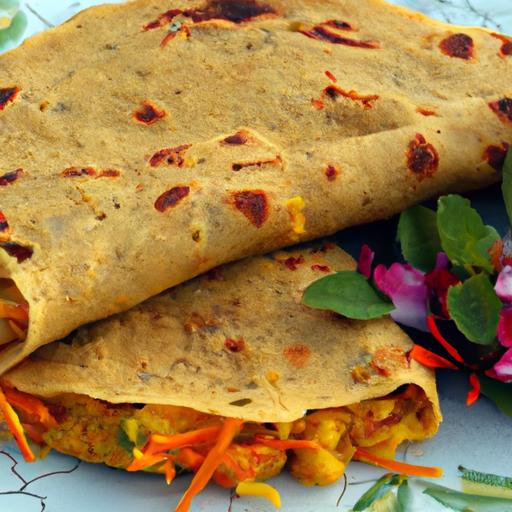

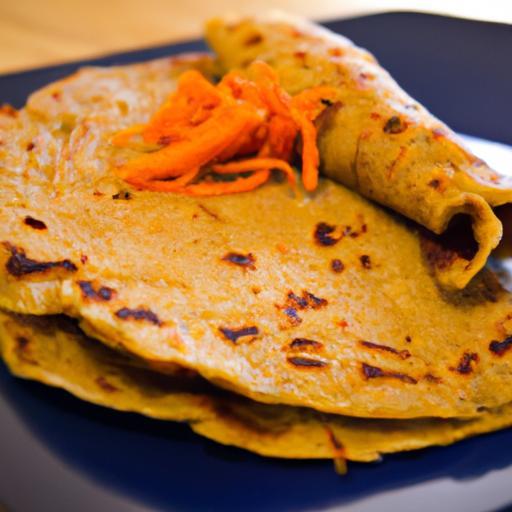
Beneath the humble guise of a simple flatbread lies a culinary treasure that marries tradition with vibrant nutrition-welcome too the delightful world of carrot paratha. This golden-hued Indian staple is more than just a meal; it’s a party of earthy sweetness and wholesome goodness folded into every flaky, fragrant bite. From bustling street corners to cozy home kitchens, carrot paratha transforms an everyday vegetable into an irresistible feast, inviting food lovers to explore its rich flavors and time-honored roots. Join us as we unravel the story, preparation, and irresistible charm of this golden goodness that’s as nourishing as it is indeed tasty.
Golden Goodness: the Delightful World of Carrot Paratha unveils a unique culinary treasure embraced by indian households yet with a twist that elevates every meal. This flatbread, studded with grated carrots and subtle spices, does more than please your palate-it packs a nutritional punch wrapped in golden, flaky layers. Rooted deeply in conventional Indian cooking techniques, this recipe captures the essence of rustic charm combined with a fresh, healthy twist that makes every bite a celebration of texture and taste.
Prep and Cook Time
Preparation: 15 minutes
Cooking: 20 minutes
Total: 35 minutes
Yield
Serves 4 people (8 parathas)
Difficulty Level
Medium – Perfect for home cooks seeking authentic flavour with approachable technique
Ingredients
- 1½ cups whole wheat flour (atta), sifted
- 1 large carrot, grated finely
- 1-2 green chilies, finely chopped (optional for mild heat)
- 2 tablespoons fresh coriander, chopped
- 1 teaspoon cumin seeds
- 1 teaspoon carom seeds (ajwain)
- 1 teaspoon garam masala
- 1 teaspoon fresh ginger, grated
- Salt to taste
- 2 tablespoons yogurt (for pliable dough)
- Warm water, as needed to knead dough
- Ghee or oil for frying
Instructions
- Prepare the dough: In a large mixing bowl, combine the whole wheat flour, salt, cumin seeds, and carom seeds. Add yogurt and grated carrot. Slowly add warm water and knead until a soft, pliable dough forms. Cover and rest for 20 minutes.
- divide dough into equal balls: About lemon-sized. Dust each ball lightly with flour to prevent sticking.
- Roll the paratha: Using a rolling pin, gently flatten each ball into a 6-7 inch circle. Spread a thin layer of ghee or oil on top, sprinkle some dry flour, then fold the dough into a triangle or square shape to build layers.
- Roll again carefully: Roll the folded dough again gently to maintain the layered structure but avoid tearing it.
- Cook on hot griddle (tawa): Place the rolled paratha on a medium-high heated pan. Cook for 1-2 minutes until you see bubbles forming. Flip, apply ghee or oil on the cooked side, and cook the other side similarly.
- Flip and smear ghee: Flip again to ensure both sides are golden brown with crisp, flaky edges. Repeat oiling each side lightly to achieve that signature golden finish.
- Serve hot: Immediately transfer onto a plate lined with paper towels to absorb excess oil if desired.
Traditional Techniques to Achieve Perfect Flaky Layers
Mastering the perfect flaky layering technique is what transforms simple dough into golden goodness on your plate. The secret lies in the initial layering step – spreading ghee or oil between folds and rolling just enough to keep those air pockets alive. This creates distinct, crispy stratifications that release buttery richness with every bite. Using warm water combined with yogurt in the dough also helps in elasticity, making rolling easier and reducing tears, which is essential to maintaining the delicate layers. Patience during the resting phase allows the gluten to relax, further preventing shrinkage and ensuring flat parathas that cook evenly.
Flavor Pairings That Elevate Your Carrot Paratha Experience
The naturally sweet, earthy notes of grated carrot pair beautifully with a variety of traditional accompaniments that elevate both texture and taste.A dollop of tangy homemade yogurt or raita provides a cooling contrast. Fresh mint chutney or tamarind sauce introduces bright, zesty layers complementing the warm spices within the paratha. For a heartier meal, serve alongside spiced chickpea curry or a simple dal to soak up the delicious layers. Garnishing with freshly chopped coriander and a squeeze of lemon juice brightens the plate and aroma.
Tips for Success
- grate carrot finely to create an even texture and prevent tearing during rolling.
- If dough feels sticky, dust hands lightly with flour but avoid adding too much, which can toughen the paratha.
- cook on medium-high heat; too low and the paratha becomes hard, too high and it burns without cooking through.
- Use ghee instead of oil for a richer,fragrant finish that enhances the traditional flavor.
- Make dough ahead and refrigerate for an hour – this intensifies flavors and improves texture.
Serving Suggestions
Serve these vibrant carrot parathas piping hot from the griddle on a rustic wooden platter. Garnish with a sprig of fresh coriander and a small bowl of cooling cucumber raita or a tangy tamarind chutney on the side. For a wholesome breakfast or brunch, pair with a steaming cup of masala chai. A wedge of lemon nearby adds that final touch, letting guests squeeze fresh citrus to awaken the paratha’s flavors further.

| Nutrient | Per Paratha (Approx.) |
|---|---|
| Calories | 150 kcal |
| Protein | 4 g |
| Carbohydrates | 28 g |
| Fat | 4 g |
| Fiber | 3 g |
Discover more healthy flatbread recipes and their flavors in our Ultimate Guide to Indian Parathas. For a deeper understanding of the nutritional benefits of carrots, visit Medical News Today.
Q&A
Q&A: golden Goodness – The Delightful World of Carrot Paratha
Q1: What exactly is a carrot paratha?
A1: Carrot paratha is a delicious and nutritious Indian flatbread stuffed with grated carrots and a blend of spices. It’s a golden-hued, savory delight that combines the wholesome goodness of fresh carrots with the comforting warmth of freshly cooked dough. Each bite offers a subtle sweetness balanced by aromatic flavors,making it a perfect meal or snack.
Q2: How did carrot paratha become popular?
A2: Parathas have been a staple in Indian kitchens for centuries, known for their versatility and heartiness. Incorporating carrots into this traditional flatbread emerged as a creative way to add both nutrition and flavor. The vibrant color and natural sweetness of carrots make the paratha visually inviting and palate-pleasing, helping it win over food lovers worldwide.Q3: What are the key ingredients that make carrot paratha special?
A3: The beauty of carrot paratha lies in its simplicity.The main ingredients include whole wheat flour, freshly grated carrots, green chilies or mild spices like cumin and coriander, ginger, and a touch of salt. Sometimes fresh herbs such as cilantro add a fragrant twist, while a drizzle of ghee or oil brings it all together with a golden crispiness.
Q4: Can carrot paratha be made gluten-free?
A4: Absolutely! While traditionally made with whole wheat flour, carrot paratha can be adapted using gluten-free flours like millet (bajra), sorghum (jowar), or rice flour blends. The key is achieving a dough that holds together well and rolls out smoothly, preserving that chewy, tender texture paratha lovers adore.
Q5: What makes carrot paratha a healthy choice?
A5: Carrots are rich in beta-carotene, fiber, and essential vitamins like A and K, which contribute to eye health, digestion, and immunity. when combined with whole wheat flour, this paratha becomes a well-rounded meal packed with complex carbohydrates and antioxidants designed to energize and satisfy, all without sacrificing flavor.
Q6: How is carrot paratha typically served?
A6: Carrot paratha pairs wonderfully with an array of accompaniments. commonly, it’s enjoyed with cooling yogurt or raita, tangy pickles, or a dollop of butter or ghee on top. Some prefer a side of fresh salad or chutney to complement the earthy sweetness of the carrots. Whether for breakfast,lunch,or dinner,it’s versatile and comforting.
Q7: Are there variations of carrot paratha in different regions?
A7: Indeed! In some households, carrots are mixed with potatoes or peas for added texture. Regional spices may vary-from the spicy mustard seeds favored in Eastern India to the aromatic fennel seeds popular in northern areas. Each variation tells a delicious story of local tastes blended with the humble carrot.
Q8: Can carrot paratha be enjoyed by vegetarians and vegans alike?
A8: yes! Carrot paratha is naturally vegetarian and can easily be made vegan by substituting ghee or butter with plant-based oils like mustard or coconut oil. It’s a flavorful option that aligns beautifully with plant-based diets without compromising on richness or satisfaction.
Q9: What tips can help perfect the carrot paratha at home?
A9: Start with finely grated carrots to ensure even distribution and softness inside the paratha. Knead the dough well to make it pliable, and don’t skimp on the resting time-it helps in achieving a tender texture. Cook on medium heat for a golden crust without burning, and press gently with a spatula for the perfect puff and flakiness.
Q10: Why should everyone try carrot paratha at least once?
A10: Beyond being a feast for the eyes, carrot paratha is a celebration of simplicity meeting nourishment. It transforms a common vegetable into a culinary hero, inviting food lovers to enjoy a wholesome, cozy meal that comforts the soul and delights the taste buds. It’s a golden experience you won’t want to miss!
In Conclusion
As the warm, flaky layers of carrot paratha unfold bite after bite, they reveal not just the comforting embrace of traditional Indian flatbread, but also a vibrant celebration of nature’s golden treasure-carrots. This humble yet flavorful dish bridges the gap between nutrition and indulgence, turning everyday ingredients into a culinary delight that’s both wholesome and unforgettable. Whether enjoyed at breakfast, lunch, or as a snack, carrot paratha invites us to savor the simple joys hidden within familiar flavors.So next time you crave something hearty and wholesome, let the golden goodness of carrot paratha remind you that sometimes, the most delightful journeys begin with the crunch of a single bite.