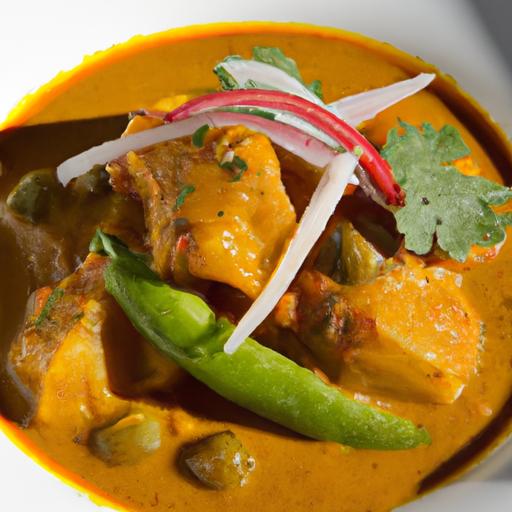

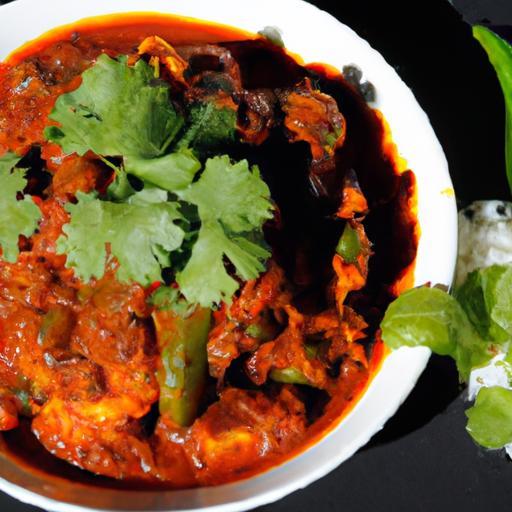
There’s a certain enchantment that fills the air when a pot of Indian curry simmers gently on the stove-a fragrant symphony of spices that beckons your senses and promises a culinary journey like no other. behind every vibrant hue and bold flavor lies a carefully curated blend of spices, each with its own story, tradition, and transformative power. Unlocking the magic of Indian curry spices is not just about seasoning food; it’s about discovering centuries of culture, wisdom, and artistry packed into tiny seeds, bark, and powders. Join us as we embark on a flavorful voyage to unravel the origins, secrets, and irresistible allure of these aromatic treasures that have captivated taste buds around the world.
Unlocking the magic of Indian curry spices begins with understanding the essential elements that transform a simple dish into a symphony of bold heat and intoxicating aromas. From fiery red chilies to the earthy warmth of cumin, Indian curries owe their complex character to the delicate balance of each spice component. This journey invites you to explore not only the foundational spices but also the subtle art of toasting and blending that maximizes their vibrant flavors,tailored to the diverse regions across India.
Prep and Cook Time
- Readiness: 20 minutes
- Cooking: 40 minutes
Yield
Serves 4 generous portions
Difficulty Level
Medium - perfect for home cooks ready to deepen their spice blending skills
The Essential Spices to Elevate Your Indian Curries
Begin your spice journey with these core ingredients,each bringing a unique note to your signature curry blend:
- Cumin seeds (Jeera): Earthy and slightly nutty,cumin adds warmth and depth.
- Coriander seeds (Dhania): Citrusy and mild, brightening the blend with sweet undertones.
- Turmeric powder (Haldi): Imparts a golden hue and subtle bitterness.
- Red chili powder: The fiery heart that defines the curry’s heat level.
- Mustard seeds: Small bursts of tangy spice when tempered.
- Fenugreek seeds (Methi): Slightly bitter with a honeyed aroma, perfect in southern blends.
- Asafoetida (Hing): Used sparingly to add an umami depth and digestive aid.
- Whole spices like cloves, cinnamon, cardamom, and bay leaves: Add layered aromatic complexity.
How to Toast and Store Indian Spices for Maximum Freshness
Toasting your spices is the secret step that truly awakens their essential oils and multiplies flavor intensity. Here’s how:
- Preheat a dry skillet over medium heat-no oil needed.
- Add whole spices like cumin, coriander, fenugreek, mustard seeds, cloves, and cardamom pods.
- Toast gently, stirring frequently for 2-4 minutes, or until aromatic and lightly browned-avoid burning.
- Cool completely on a plate before grinding if needed, preserving freshness.
- Store toasted or ground spices in airtight containers away from light and heat, preferably in glass jars. This preserves their aroma for up to 3 months.
Crafting Signature Curry Blends for Different Regional Flavors
India’s diverse culinary landscape offers countless curry variations, shaped by geography and culture.Here are inspiring blends to start creating your signature mix:
- North Indian Garam Masala: Equal parts toasted cinnamon, cloves, cardamom, black pepper, and bay leaf, ground to a fine powder.
- South Indian Curry Powder: Turmeric, red chilies, coriander, cumin, black peppercorns, and fenugreek seeds for a vibrant and pungent punch.
- Punjabi Tadka Spice Mix: Incorporates mustard seeds, dried red chilies, and asafoetida for bold tempering spices.
- Bengali Paat chini: A unique mix of cinnamon, green cardamom, cloves, and nutmeg for subtly sweet and floral curries.
Ingredients
- 1 tbsp cumin seeds (jeera)
- 1 tbsp coriander seeds (dhania)
- 1 tsp fenugreek seeds (methi)
- 1 tbsp mustard seeds
- 6 dried red chilies (adjust to taste)
- 1 tsp turmeric powder (haldi)
- 1 tsp asafoetida (hing)
- 2 black cardamom pods
- 4 green cardamom pods
- 4 cloves
- 1-inch cinnamon stick
- 2 bay leaves
Instructions
- Prepare your spices. Separate whole spices from powdered. Measure and gather all ingredients.
- Toast whole spices. In a dry skillet over medium heat, add cumin seeds, coriander seeds, fenugreek seeds, mustard seeds, dried red chilies, black and green cardamom pods, cloves, cinnamon stick, and bay leaves.
- Cook gently, stirring constantly to prevent scorching, for about 3-5 minutes until deep aromas emerge.
- Cool instantly. Transfer the toasted spices to a cool plate and let them come to room temperature.
- Grind. Using a spice grinder or mortar and pestle,grind the cooled spices to a fine powder.
- Mix in turmeric and asafoetida. Combine the freshly ground powder with turmeric and asafoetida; stir well.
- Store your curry blend. Transfer the spice mix into an airtight glass jar and keep it in a cool, dark place until ready to use.
- Use liberally. Incorporate 1-2 tablespoons into your favourite curry recipes to immediately uplift their flavor profile.
Tips for Success
- Use whole spices whenever possible. Grinding fresh makes the most impactful flavor.
- Adjust red chili quantity to suit your heat preference-start mild and add more as you grow confident.
- Toast spices in batches if making large quantities, to ensure even roasting.
- Label jars with date made. Spices stay freshest for 3 months after grinding – after that, flavor diminishes.
- Experiment by regional blends adding amchur (dried mango powder) for tang, or smoked paprika for smoky depth in northern blends.
Serving Suggestions
Enhance your curry experience by pairing your handcrafted spice blend with:
- aromatic basmati rice, fragrant with saffron strands.
- Warm, buttery naan or crisp roti to scoop your curry.
- Freshly chopped cilantro and a squeeze of tangy lemon to brighten each bite.
- A side of cooling cucumber raita to balance spicy heat.
- Roasted nuts or fried onions as a crunchy garnish.

| Nutrition per 1 tbsp Curry Spice Mix | Amount |
|---|---|
| Calories | 25 kcal |
| Protein | 1.1g |
| Carbohydrates | 4g |
| Fat | 0.8g |
Explore more on mastering Indian culinary traditions and spice blending in our Complete Guide to Indian Spice Blends. For additional scientific insights into spice benefits, visit the NCBI Journal of Food Science.
Q&A
Q&A: Unlocking the Magic of Indian Curry Spices – A Flavor Journey
Q1: What makes Indian curry spices so unique compared to other spice blends around the world?
A1: Indian curry spices are a vibrant symphony of flavors, meticulously layered to create depth and complexity. Unlike single-spice blends, they combine multiple ingredients-like cumin, coriander, turmeric, cardamom, and cloves-each contributing its own aroma and taste. This harmonious balance transforms ordinary dishes into sensory journeys steeped in history and culture.
Q2: Can you explain the role of turmeric in Indian curry?
A2: Turmeric is truly the golden heart of many Indian dishes. Beyond lending its warm yellow hue,turmeric offers a mild,earthy bitterness that grounds the overall flavor profile.it’s also celebrated for its anti-inflammatory properties, making it not just appetizing but nourishing as well.
Q3: How do Indian cooks achieve the rich flavors through spices without overpowering the dish?
A3: The magic lies in technique as much as ingredients. Many Indian recipes start by “blooming” spices in hot oil or ghee-a process called tempering or tadka. This step unlocks essential oils, intensifying aromas while tempering bitter notes. Balancing spice quantities and layering flavors over cooking time also ensures harmony, never overwhelm.
Q4: what are some essential Indian spices for someone new to cooking curries?
A4: To embark on your curry adventure, start with cumin seeds for earthiness, coriander powder for citrusy brightness, turmeric for color and warmth, garam masala-a fragrant blend adding complexity-and dried red chilies for a gentle kick.These staples build a foundation that you can customize as your palate grows.
Q5: How do regional differences influence the choice of curry spices?
A5: India’s vast geography means curry spices vary widely.Northern curries often rely on warming spices like cinnamon,cardamom,and cloves,with creamy bases. Southern curries highlight mustard seeds, curry leaves, and tamarind for tang and heat.Each region offers its own signature spice palette, inviting endless exploration.
Q6: Is it better to use whole spices or ground spices when making curry?
A6: Both have their place. whole spices hold onto their oils longer and release flavors gradually-perfect for slow-cooked dishes or tempering. Ground spices deliver immediate intensity, ideal for speedy meals. A blend of the two often creates the most dynamic flavor experience.
Q7: How can one store and handle curry spices to maintain their freshness and potency?
A7: Spices are best kept in airtight containers away from heat, light, and moisture to preserve their oils and aromas.Whole spices last longer than ground, so grinding fresh before cooking provides the brightest flavors. Remember,even the finest spices fade over time-treat them like precious jewels!
Q8: What’s a simple tip for beginner cooks to enhance their curry dishes with spices?
A8: don’t just sprinkle spices in-engage with them. Toast whole spices lightly in a pan before grinding, bloom powdered spices in hot oil, and taste along the way. These small acts awaken the spices’ magic, transforming a simple curry into an unforgettable feast.
Q9: Can spices in Indian curry have health benefits beyond taste?
A9: Absolutely! Many curry spices like turmeric, ginger, cumin, and fenugreek are celebrated in Ayurvedic traditions for their healing properties-boosting digestion, reducing inflammation, and supporting immunity. So, indulging in a flavorful curry is a delicious way to nourish both body and soul.
Q10: How can someone creatively use Indian curry spices beyond traditional curry dishes?
A10: The vibrant character of curry spices can elevate everything-from roasted vegetables and lentil soups to spiced rice and marinades. Sprinkle garam masala on popcorn for a savory twist, or blend turmeric into smoothies for a golden glow.The spice journey transcends curry, inviting culinary creativity at every turn.
to sum up
As we close this flavorful chapter on the enchanting world of Indian curry spices, it’s clear that each vibrant grain and fragrant pod carries a story-one of tradition, culture, and centuries of culinary mastery. Unlocking their magic isn’t just about seasoning a dish; it’s about embarking on a sensory journey that transcends borders and time. Whether you’re a curious novice or a seasoned spice lover, embracing these aromatic treasures invites you to transform everyday meals into extraordinary celebrations of flavor. So go ahead-let the spices guide your palate,and savor the rich tapestry of India’s culinary heritage in every bite.