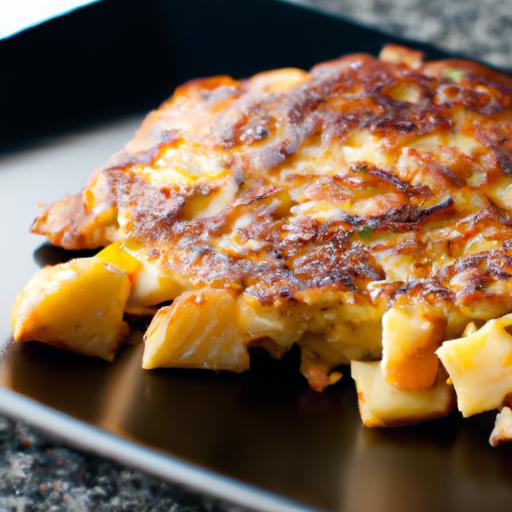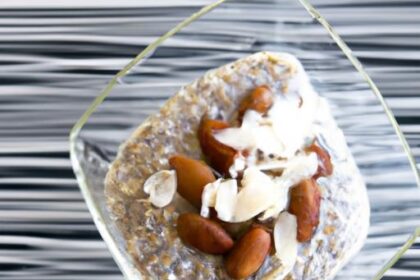
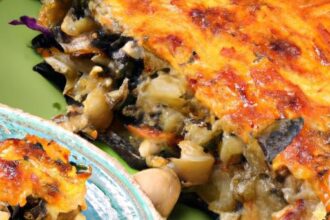

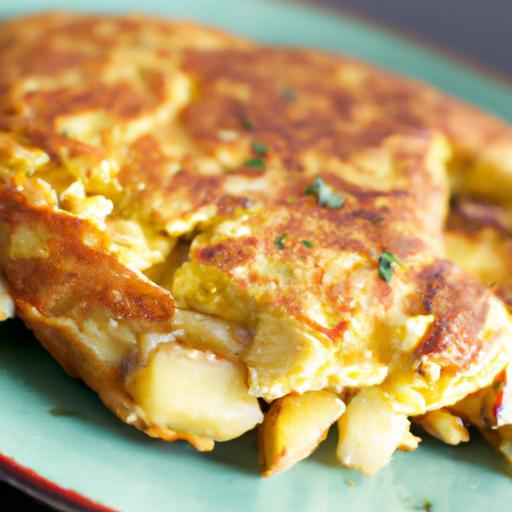
The Spanish potato omelette, or tortilla española, is more than just a dish-it’s a culinary icon that tells a story of tradition, simplicity, and everyday magic. With humble ingredients like eggs, potatoes, and onions, this classic recipe transforms ordinary pantry staples into a golden, tender masterpiece that has captured hearts around the world. Whether enjoyed as a hearty breakfast, a satisfying tapa, or a comforting dinner, mastering the art of the Spanish potato omelette is a tasty journey into Spain’s rich gastronomic heritage. Join us as we unravel the secrets behind its perfect texture, golden crust, and soulful flavor, turning your kitchen into a small corner of Spain.
Mastering the Classic Spanish Potato omelette recipe unlocks the true essence of Spain’s beloved tortilla de patatas, a humble yet hearty dish that transforms simple ingredients into a symphony of textures and flavors. Originating from the kitchens of Castilla-La Mancha, this rustic omelette has won hearts worldwide for its delicate balance of creamy potatoes, sweet onions, and tender eggs. Whether you’re recreating a cherished family tradition or exploring culinary heritage, understanding the secrets behind each ingredient and technique is key to elevating your Spanish potato omelette mastery.
prep and Cook Time
- Planning: 15 minutes
- Cooking: 30 minutes
- Total Time: 45 minutes
Yield
Serves 4 generous portions
Difficulty Level
Medium - requires attentive technique but accessible to all home cooks
Ingredients
- 5 medium Yukon Gold potatoes (peeled and thinly sliced)
- 1 large yellow onion (thinly sliced)
- 6 large free-range eggs
- 1 cup extra-virgin olive oil (for frying)
- 1 teaspoon sea salt (adjust to taste)
- Freshly ground black pepper (to taste)
Instructions
- Prepare the potatoes and onions: Begin by peeling and slicing the yukon Gold potatoes into thin, even pieces about 1/8 inch thick. This ensures tender cooking. Thinly slice the yellow onion into half-moons for gentle caramelization.
- Warm the olive oil: in a large non-stick skillet, heat the extra-virgin olive oil over medium-low heat until shimmering but not smoking. This moderate temperature is crucial to poach rather than fry the potatoes, resulting in a melt-in-your-mouth texture.
- Cook potatoes and onions gently: Add the sliced potatoes and onions to the oil, seasoning lightly with sea salt. Stir occasionally to prevent sticking and ensure even cooking. Sauté until the potatoes are tender and onions translucent and sweet, about 20 minutes. Avoid browning them – the aim is softness with subtle flavor.
- Drain excess oil: Use a slotted spoon to transfer the potato and onion mixture to a large bowl, letting excess oil drip back into the pan. Reserve the oil for later use; it imparts richness back into the omelette.
- Beat the eggs: Crack the eggs into a separate bowl,seasoning with freshly ground black pepper and a pinch of salt. Beat gently just until combined, maintaining a delicate airiness.
- Combine potatoes, onions, and eggs: Fold the warm potatoes and onions into the eggs, letting the heat slightly temper the mixture. This melding moment is essential for achieving a balanced, creamy interior.
- Cook the omelette: Wipe out the skillet, reserving some olive oil from the earlier step. Heat 2 tablespoons over medium flame. Pour the potato-egg mixture evenly into the pan, spreading gently. Cook undisturbed for 4-5 minutes until edges begin to set and the bottom forms a golden crust.
- Flip with care: Using a large plate, cover the skillet and flip the omelette onto it. Then slide it back into the pan to cook the other side. Continue cooking for another 3-4 minutes until set but still moist inside. Avoid overcooking, as the best Spanish potato omelette is tender and slightly custardy.
- Rest and slice: Slide the finished tortilla onto a plate and let it rest for 5 minutes. This resting period allows the flavors to harmonize and the texture to stabilize before slicing.
Chef’s Notes: Tips for Success
- Oil quality matters: Use high-quality extra-virgin olive oil for its fruity aroma and flavor depth.It’s not just the cooking medium - it becomes part of the dish’s soul.
- Patience is key: Cooking potatoes slowly ensures softness without caramelization or crispness, preserving the traditional creaminess.
- Flip with confidence: If flipping feels intimidating, practice with smaller omelettes first. Using a wide plate and a firm grip is essential to keep the shape intact.
- Onion sweetness: some prefer their onions caramelized lightly for sweetness, while others like them more translucent. Adjust cooking time accordingly.
- Make ahead: The omelette can be refrigerated wrapped in foil and eaten cold or gently reheated. It’s a versatile dish perfect for any meal.
Serving Suggestions
Present your Spanish potato omelette warm or at room temperature, cut into rustic wedges.
Garnish with freshly chopped parsley or thinly sliced roasted red peppers for a burst of color and freshness. pair it with a vibrant tomato salad or crusty artisan bread to complement the richness. For an extra touch, drizzle reserved olive oil over the top before serving.

| Nutrient | Per Serving |
|---|---|
| Calories | 310 |
| Protein | 11g |
| Carbohydrates | 25g |
| Fat | 18g |
Creative Twists to Enhance Your Spanish Potato Omelette
Once you have mastered the classic version, feel free to experiment while keeping the essence intact. Add sautéed smoked paprika-spiced mushrooms for a smoky depth, or incorporate finely chopped fresh herbs like thyme or chives for brightness. Roasted red peppers folded into the mixture add color and sweetness without overpowering the delicate balance. For a vegetarian protein boost, stirring in cooked chickpeas before cooking lends an unexpected texture and earthiness.
Each variation follows the foundational techniques outlined above, highlighting how versatile the classic Spanish potato omelette recipe can be without sacrificing authenticity.
For a deeper dive into Spain’s culinary traditions, discover more recipes and tips in our Spanish Cuisine Basics series. Additionally, for the cultural and nutritional background of olive oil, visit the International Olive Council.
Q&A
Q: What makes a Spanish potato omelette (Tortilla Española) truly classic?
A: The magic lies in its simplicity-a harmonious trio of thinly sliced potatoes, tender onions, and eggs. slow-cooked potatoes soak up the flavor, while onions add subtle sweetness. Together,they form a silky,golden omelette that’s both humble and hearty.
Q: How do I achieve the perfect texture for the potatoes?
A: Patience is key. Rather than rushing, gently fry the potatoes in olive oil over medium-low heat until they’re soft but not browned.This slow approach ensures a melt-in-your-mouth tenderness that defines the dish.
Q: Should the onions be cooked separately or with the potatoes?
A: For the best flavor, cook the onions alongside the potatoes. this lets their natural sugars caramelize slowly, merging beautifully with the potato’s earthiness. The result: a subtle sweetness that elevates every bite.
Q: How much olive oil is ideal for preparing the omelette?
A: Generously enough to gently poach the potatoes and onions-think shallow swimming, not deep frying. This method protects the ingredients from crisping up too fast while infusing them with rich, fruity notes.
Q: What’s the secret to a tender yet firm tortilla?
A: It’s all about balancing eggs and potatoes. Use enough beaten eggs to bind the soft potatoes without drowning them. Cook on moderate heat, flipping carefully to keep the center moist but set, creating that luscious, slightly creamy core.
Q: Is it necessary to flip the omelette? Any tips for doing it flawlessly?
A: Yes, flipping is essential for even cooking and that characteristic golden crust on both sides. Use a flat plate or a lid to invert the pan, then slide it back in gently. Confidence and a steady hand make all the difference!
Q: Can I prepare the onion and potato mixture in advance?
A: Absolutely! Cooking the potatoes and onions ahead allows flavors to deepen overnight. Just bring the mixture back to room temperature before adding eggs to maintain the ideal texture.
Q: What variations can I try while staying true to tradition?
A: Try adding fresh herbs like parsley or a pinch of smoked paprika for a subtle twist. These little enhancements add complexity without overpowering the essential simplicity of the classic recipe.
Q: How do I serve and enjoy a Spanish potato omelette?
A: Serve warm or at room temperature, sliced like a cake. It’s perfect on its own, as a tapa, or alongside a crisp salad. Wherever you enjoy it, every bite evokes the essence of Spanish comfort food.Q: What common mistakes should I avoid?
A: Avoid high heat that browns potatoes too quickly or toughens the eggs; don’t over-stir the eggs and potato mixture-gentle folding preserves the creamy texture; and resist the urge to rush the cooking process. Slow and steady is the soul of the tortilla.
The Way Forward
As you close the chapter on mastering the classic Spanish potato omelette, remember that this humble dish is more than just a recipe-it’s a party of tradition, patience, and simple ingredients transforming into something extraordinary.Whether enjoyed for breakfast, lunch, or a late-night snack, the tortilla española invites you to slow down, savor each bite, and connect with a timeless culinary heritage. So don your apron, embrace the art of gentle cooking, and let each golden slice transport you to the sun-soaked kitchens of Spain, where flavors and stories blend in perfect harmony. Your journey with this iconic dish is just beginning-bon appétit!