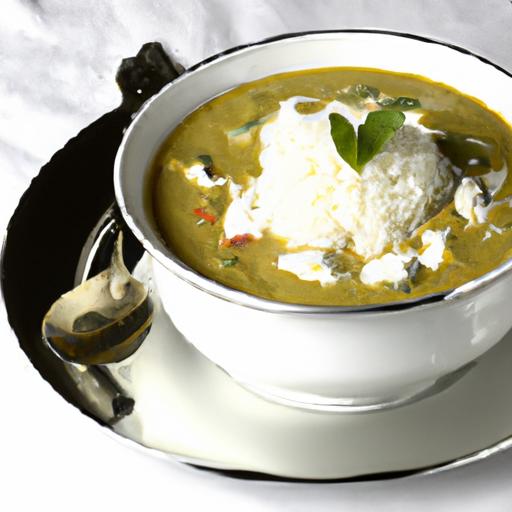



In the vibrant tapestry of Indian cuisine, where spices burst in radiant hues and flavors dance on the palate, white curry stands as a subtle yet irresistible masterpiece. Frequently enough overshadowed by its fiery red and golden yellow counterparts, this creamy delight weaves together a delicate blend of ingredients that soothe the senses while celebrating the essence of tradition. Unlocking the flavors of white curry reveals a story of balance and harmony-where coconut milk, fragrant spices, and tender proteins come together to create a dish that is both comforting and captivating. Join us as we explore the origins, ingredients, and culinary secrets behind India’s lesser-known but profoundly satisfying white curry, inviting you to savor a new dimension of Indian gastronomy.
Origins and Evolution of White Curry in Indian Cuisine
Unlocking the flavors of white curry reveals a fascinating journey through Indian culinary history. This delicately creamy dish, often overshadowed by its fiery relatives, traces its roots to the rich Mughlai kitchens where subtlety and sophistication in spices were prized. Unlike the vibrant reds and yellows typical in Indian curries, white curry embraces a gentle palette, focusing on harmony rather than heat. Over time, regional variations embraced coconut milk, yogurt, and a nuanced blend of aromatic spices, evolving into a soul-soothing comfort food that resonates across households today. The velvety texture paired with mild notes of cardamom, cinnamon, and nutmeg creates a sensory experience that’s as nostalgic as it is indeed novel.
Prep and Cook Time
- Preparation: 15 minutes
- cooking: 35 minutes
- Total Time: 50 minutes
Yield
Serves 4 generous portions
Difficulty Level
Medium - Perfect for enthusiastic home cooks ready to explore Indian creamy delights
Key Ingredients Crafting the Creamy Harmony
- 2 tablespoons ghee or vegetable oil for richness
- 1 large onion, finely chopped - the base of smooth sweetness
- 3 garlic cloves, minced for depth
- 1-inch piece fresh ginger, grated – the aromatic lift
- 4 green cardamom pods, cracked adding warmth
- 1 cinnamon stick for subtle spice
- 2 whole cloves balancing fragrance
- 1/2 teaspoon ground white pepper for gentle heat
- 1/2 teaspoon ground nutmeg contributing a floral note
- 1/4 teaspoon ground mace (optional, for enhanced aroma)
- 1 cup plain whole-milk yogurt, whisked smooth – tender creaminess
- 1 cup thick coconut milk bringing a luscious texture
- 400g boneless chicken or vegetables – as preferred
- Salt to taste enhancing all flavors
- Fresh coriander leaves, chopped, for garnish
- 1 green chili, slit (optional) for a whisper of heat
Step by Step Guide to Perfecting White Curry at Home
- Heat ghee over medium heat in a wide pan until shimmering. Add the cardamom pods, cinnamon stick, and cloves, stirring gently until fragrant, about 2 minutes.
- add finely chopped onions and sauté until they turn translucent and just begin to golden, about 8 minutes. Stir occasionally to prevent sticking.
- Incorporate the minced garlic and grated ginger, cooking for another 2 minutes until aromatic but not browned.
- Sprinkle in white pepper, nutmeg, and mace (if using). Stir briskly to toast the spices lightly without burning them.
- Lower the heat and slowly whisk in the yogurt, stirring constantly to prevent curdling. This step is key to the creamy harmony in texture.
- Pour in coconut milk and stir evenly, creating a smooth, opaque sauce.
- Add your chosen protein or vegetables-cut into bite-sized pieces. If using chicken, cook gently in the curry until tender (about 20 minutes) on low heat. For vegetables, cook until just tender but vibrant.
- season with salt carefully, tasting as you go to balance the mellow spices.
- For an optional kick, add the slit green chili now, simmering for 5 minutes.
- Onc thickened to a silky consistency, remove from heat and let the flavors meld for 5 minutes before serving.
Tips for Success
- Prevent Curds: To avoid yogurt separating,always keep heat low when adding it and stir continuously.
- Customize Creaminess: Substitute coconut milk with cashew cream for a nutty twist,perfect for nut lovers.
- Make Ahead: This curry tastes even better the next day-store refrigerated and gently reheat with a splash of water if thickened.
- Vegetarian Option: Swap chicken with cauliflower florets or paneer for a rich vegetarian delight.
- Fresh Spices: Use freshly ground spices for that vibrant aroma and flavor that hallmark authentic white curry.
Pairing White Curry with Conventional and Modern Accompaniments
The luscious, soothing nature of white curry invites a playful balance with both classic Indian staples and contemporary side dishes. Steamed basmati rice remains the timeless companion-its fluffy grains soak up the creamy sauce with dreamy ease. For an authentic touch, serve alongside jeera rice, where cumin seeds add a whisper of earthiness. Warm naan bread or soft chapati offer perfect dippers, their tender texture inviting every last spoonful.
For modern twists, pair it with a light, crunchy cucumber raita or even a tangy mango pickle to cut through the richness. A fresh kachumber salad provides crunchy contrast and zesty brightness,making each bite dynamic. Garnish with finely chopped cilantro and a drizzle of fresh cream to elevate the presentation and add a final touch of indulgence.
| Nutrient | Per Serving |
|---|---|
| Calories | 320 kcal |
| Protein | 25 g |
| Carbohydrates | 10 g |
| Fat | 20 g |

for more inspiring indian recipes, explore our traditional Indian Curry Essentials guide.
Learn more about authentic Indian spices from Britannica’s overview to deepen your spice journey.
Q&A
Q&A: Unlocking the Flavors of White Curry: India’s Creamy Delight
Q1: what exactly is white curry, and how does it differ from the more common Indian curries?
A1: White curry is a lesser-known gem in the Indian culinary landscape, renowned for its creamy, mildly spiced profile and its characteristic pale, almost ivory hue. Unlike the vibrant reds, deep oranges, or bright yellows of traditional curries, white curry often forgoes the heavy use of turmeric and chili powders that impart color and heat. Instead, it embraces a subtle symphony of ingredients like coconut milk, yogurt, cashew paste, or cream, which create a luscious, velvety base that soothes the palate without overwhelming it.
Q2: Where in India is white curry most popular?
A2: White curry finds its most celebrated roots in Northeast India, especially in states like Manipur and Assam. The cuisine hear tends to favor lighter, less oily dishes rooted in the abundant local ingredients like bamboo shoots, freshwater fish, and indigenous herbs. Its also prominent in some coastal regions where coconut and mustard oil are pantry staples, lending a rich creaminess balanced with a hint of pungency.
Q3: What ingredients give white curry its distinctive flavor and creamy texture?
A3: The magic of white curry lies in its unique blend of gentle spices and creamy elements. key players include fresh coconut milk or cream, which provide the smooth texture; cashew or almond paste, which adds richness and body; and mild spices such as cardamom, cinnamon, fennel, and white pepper, delivering warmth without the fire. Aromatics like ginger, garlic, and fresh herbs amplify the flavor depth without altering its delicate appearance.
Q4: Is white curry typically vegetarian, or does it include meat and seafood?
A4: White curry is wonderfully versatile. It can be crafted as a vegetarian delight, often featuring potatoes, mushrooms, or seasonal vegetables, or as a seafood specialty, showcasing tender pieces of fish or succulent prawns. Chicken is another common protein choice. the creamy sauce embraces these ingredients, enhancing their natural flavors while maintaining a harmonious balance of subtle spices and smooth texture.
Q5: How is white curry traditionally served in Indian households?
A5: White curry is usually enjoyed with simple staples like steamed basmati rice or mildly flavored Indian breads such as naan or chapati. The laid-back,elegant nature of the dish makes it perfect for both festive occasions and everyday meals. it often pairs well with a side of lightly pickled vegetables or fresh salads, which add a bright contrast to the creamy, comforting curry.
Q6: Are there any tips for cooking white curry at home to achieve that authentic taste?
A6: Absolutely! To capture the authentic essence of white curry, start with fresh, high-quality ingredients-fresh coconut milk and whole spices pulled from the pantry elevate the dish immensely. Toasting your spices gently releases their aromatic oils,while slow simmering allows the flavors to meld beautifully. Avoid heavy chili powders; rather, rely on milder white pepper or green chilies for a gentle kick. Lastly, stirring in cream or nut paste towards the end preserves the curry’s signature silky texture.
Q7: Can white curry be adapted for a modern or fusion twist without losing its traditional charm?
A7: Definitely! Contemporary chefs are reimagining white curry by blending it with global influences-think white curry risotto, creamy coconut-infused pasta, or white curry-inspired dips and sauces. The key to maintaining its soul lies in preserving its delicate spice balance and creamy consistency while introducing complementary ingredients and techniques. This versatility keeps white curry vibrant and relevant in today’s eclectic food scene.
Q8: Why should food lovers give white curry a try?
A8: For those enchanted by Indian flavors but seeking something gentler on the palate, white curry offers a refreshing alternative. It invites you into a world of subtlety and sophistication, where creaminess dances with delicate spices in perfect harmony.Tasting white curry is like discovering a secret passageway to India’s rich culinary diversity-comforting, elegant, and utterly memorable.
To Conclude
As the final spoonful of white curry lingers on your palate, you’ll find that this creamy Indian delicacy is more than just a dish-it’s a party of subtle spices, rich textures, and culinary heritage. Unlocking the flavors of white curry invites you to explore a nuanced world where tradition meets innovation, and every bite tells a story of aromatic harmony. Whether you’re a seasoned foodie or a curious newcomer, embracing white curry opens the door to India’s diverse and sumptuous tapestry of tastes, reminding us all that sometimes, it’s the gentlest flavors that leave the most lasting impressions.