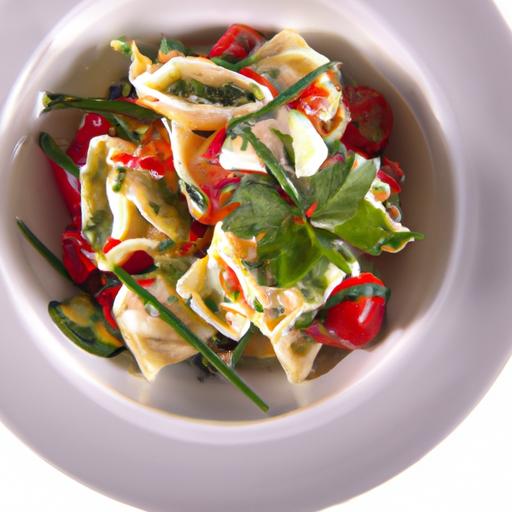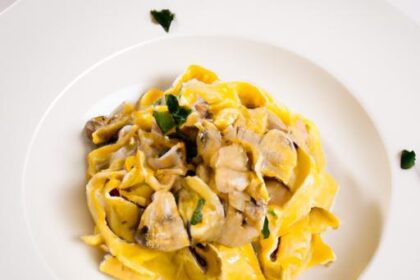


There’s something utterly enchanting about pasta that’s more than just a vessel for sauce-a creation where every bite reveals a hidden treasure of creamy goodness. Enter the world of ricotta-stuffed pasta, a culinary art that transforms simple ingredients into a symphony of textures and flavors. From silky, delicate dumplings to tender pillows enveloping luscious cheese, this age-old tradition showcases not just the versatility of ricotta but the skill and passion behind crafting thes cheesy delights. Join us as we unravel the secrets of ricotta-stuffed pasta, exploring techniques, regional variations, and tips that promise to elevate your homemade pasta experience to remarkable new heights.
Ricotta-stuffed pasta is one of those comforting, timeless dishes that embody both rustic charm and culinary finesse. The secret behind a truly impressive version lies in understanding the creamy heart of flavor found in ricotta, mastering the dough for perfect pillows, and pairing sauces that elevate ricotta-stuffed pasta to unforgettable heights. Whether you grew up enjoying this Italian favorite or are discovering it anew, mastering these elements will transform your cooking into an artful party of texture and taste.
Prep and Cook Time
Planning: 40 minutes | Cooking: 15 minutes | Total Time: 55 minutes
Yield
Serves 4 generously
Difficulty Level
Medium – Beginner cooks can excel with attention to detail
Ingredients
- 2 cups all-purpose flour, sifted
- 3 large eggs, room temperature
- 1 tbsp olive oil
- 1 tsp fine sea salt
- 1 ½ cups fresh ricotta cheese, well-drained
- ½ cup grated Parmigiano-Reggiano cheese
- 1 large egg yolk
- 1 tbsp fresh basil, finely chopped
- 1 tsp lemon zest, finely grated
- Salt & freshly cracked black pepper, to taste
- 2 tbsp unsalted butter
- Fresh sage leaves (for finishing sauce)
- Crushed tomatoes or creamy tomato sauce, optional (for serving)
Instructions
- Prepare the dough: On a clean surface, mound the flour and create a well in the center.Crack in the eggs, add olive oil and salt. Using a fork, gently whisk the eggs, slowly incorporating the flour from the edges until a shaggy dough forms.
- Knead the dough: Knead the dough for about 8-10 minutes until smooth and elastic. Wrap tightly in plastic wrap and rest for at least 30 minutes to hydrate and relax the gluten-this ensures tender, pillow-like pasta.
- Make the ricotta filling: In a bowl, combine ricotta, Parmigiano-Reggiano, egg yolk, basil, and lemon zest. Season with salt and pepper. Mix gently until creamy yet slightly firm. Taste to balance flavors; the lemon zest brightens the filling wonderfully.
- Roll out the dough: Divide rested dough into quarters. Using a pasta machine or rolling pin, roll into thin sheets about 1.5 mm thick. Keep covered with a damp cloth to prevent drying.
- Shape and fill the pasta: Place small spoonfuls (about 1 tsp) of filling spaced evenly on one sheet. Lightly brush edges around filling with water. Lay another sheet on top gently pressing to seal air pockets. Using a fluted cutter or knife, cut into squares or circles. Press the edges firmly to ensure no filling leaks during cooking.
- Cook the pasta: Boil a large pot of salted water. Drop pasta gently and cook for 3-4 minutes or until they float to the surface. Avoid overcrowding-cook batches if needed.
- Prepare the sauce: In a skillet, melt butter over medium heat.Add fresh sage leaves and fry until crisp and fragrant, about 2 minutes.Remove sage and keep warm. Toss cooked pasta in browned butter and garnish with sage shards.
- Serve & enjoy: Plate your ricotta-stuffed pasta and drizzle remaining browned butter on top. For richer flavor,serve alongside a light tomato sauce or your favorite herb sauce to elevate every bite.
Tips for Success
- Ricotta Quality: Use fresh,whole-milk ricotta with minimal whey for a creamy yet firm filling. Drain excess liquid with cheesecloth for best texture.
- Dough Mastery: Don’t rush resting the dough-it’s essential to prevent shrinkage and tearing during rolling.
- Filling Portion: Avoid overfilling pasta pockets; too much can cause bursting while cooking.
- make-Ahead: Assemble pasta and freeze on a parchment sheet before transferring to a bag. Cook directly from frozen, adding an extra minute to the boil time.
- Sauce Pairing: Browned butter with sage is classic, but try a simple fresh tomato concassé or basil pesto to contrast the creamy filling beautifully.
Serving Suggestions
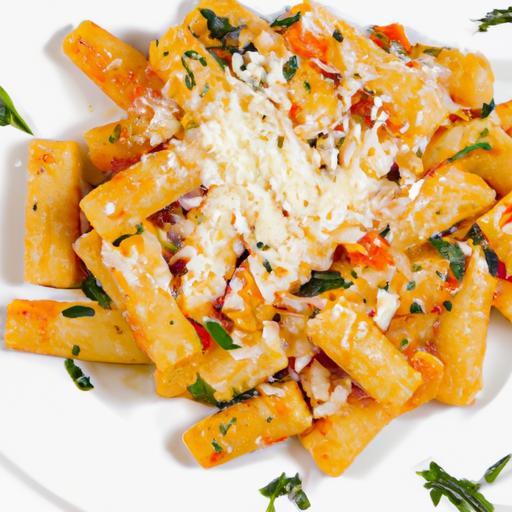
Present your ricotta-stuffed pasta gently nestled in shallow bowls, dressed with browned sage butter or a vibrant tomato sauce. Sprinkle more Parmigiano-Reggiano, cracked black pepper, and fresh basil leaves for bursts of color and fresh aroma. A sprinkle of toasted pine nuts adds delightful crunch, while a crisp green salad or sautéed seasonal vegetables provide perfect balance for a memorable meal.

| Nutrient | Amount (per serving) |
|---|---|
| Calories | 420 kcal |
| Protein | 18 g |
| Carbohydrates | 45 g |
| Fat | 15 g |
For an in-depth guide on homemade pasta techniques, visit our comprehensive pasta tutorial. To explore nutritional advice related to dairy quality, consult this trusted Healthline article on ricotta cheese.
Q&A
Q&A: Cheesy Delights – The Art of Ricotta-Stuffed Pasta Explained
Q1: What makes ricotta such a perfect filling for stuffed pasta?
A1: Ricotta’s creamy, slightly sweet texture is a dream when nestled inside pasta. Its mild flavor acts like a blank canvas, allowing herbs, spices, and other ingredients to shine without overpowering. Plus, its lightness prevents the pasta from feeling too heavy, creating a delicate balance between filling and dough.
Q2: How is homemade ricotta different from store-bought when used in pasta?
A2: Homemade ricotta offers a freshness and richness that’s hard to beat. It’s softer, less processed, and frequently enough more moist, which makes it blend wonderfully with herbs or lemon zest. Store-bought versions can be firmer or drier, so homemade ricotta tends to produce a silkier, more luxurious filling.
Q3: What cheeses can complement ricotta in stuffed pasta without overshadowing it?
A3: Soft or semi-soft cheeses such as fresh mozzarella, mild goat cheese, or young pecorino add depth and creaminess without stealing the spotlight. They enhance the ricotta’s texture and flavor, creating layers of cheesy goodness that melt beautifully when cooked.Q4: Which herbs and seasonings are classic choices to elevate ricotta fillings?
A4: Fresh basil, fragrant sage, bright parsley, and a hint of nutmeg are customary standouts. These herbs infuse the filling with fresh, aromatic notes that dance on the palate, transforming simple ricotta into something extraordinary.
Q5: what types of pasta shapes work best for ricotta stuffing?
A5: Tender dough shapes that hold filling securely without tearing are key. Think silky ravioli, delicate tortellini, or plump agnolotti. Each shape offers a unique experience-the silky pillow of ravioli offers a burst of creamy ricotta, while tortellini folds bring a cozy, satisfying bite.
Q6: How can one prevent ricotta stuffing from becoming watery inside the pasta?
A6: Draining the ricotta through a fine sieve before mixing and incorporating binders like beaten eggs or finely grated cheese helps maintain firmness. Also, avoid overcooking the pasta to keep the filling intact and luscious.
Q7: What are some creative twists on traditional ricotta-stuffed pasta fillings?
A7: Incorporating roasted vegetables like butternut squash or caramelized mushrooms adds earthy sweetness and texture. A touch of lemon zest or finely chopped sun-dried tomatoes can introduce bright, tangy notes, elevating the classic ricotta filling into a gourmet experience.Q8: How is ricotta used differently in sweet versus savory stuffed pastas?
A8: In savory dishes, ricotta mingles with herbs, spices, and cheeses, providing a creamy contrast to savory sauces. In sweet preparations, it’s gently sweetened and sometimes combined with citrus or vanilla, transforming ricotta into a luscious dessert filling inside delicate pasta sheets.
Q9: What cooking techniques ensure perfect ricotta-stuffed pasta every time?
A9: Gentle boiling in salted water until the pasta floats ensures evenly cooked dough with a warm, melted filling. Immediately transferring cooked pasta into a pan with sauce allows flavors to meld beautifully without risking overcooking or leakage.
Q10: How can beginners ease into mastering ricotta-stuffed pasta?
A10: Start with basic ravioli using store-bought pasta sheets and simple, well-drained ricotta filling. Practice sealing edges tightly to prevent leaks. From there, experiment with herbs, shapes, and homemade dough as confidence grows. Patience, gentle handling, and love for the craft are the secret ingredients!
In Retrospect
As we’ve unraveled the delicate craft behind ricotta-stuffed pasta, it becomes clear that this beloved dish is much more than just a meal-it’s an art form celebrating texture, flavor, and tradition.From the silky creaminess of the ricotta to the tender embrace of perfectly rolled dough, each bite tells a story of patience and passion. Whether you’re a seasoned chef or a curious home cook, mastering the art of ricotta-stuffed pasta opens a delicious door to culinary creativity. So, roll up your sleeves, embrace the mess, and let your kitchen become a canvas for these cheesy delights-because in the world of pasta, there’s always room to fill and flavor to savor.