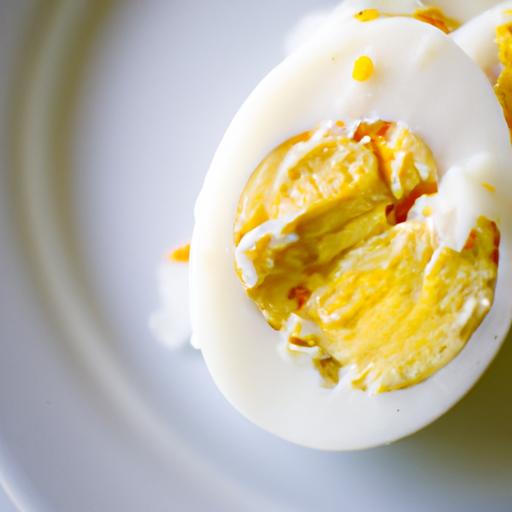



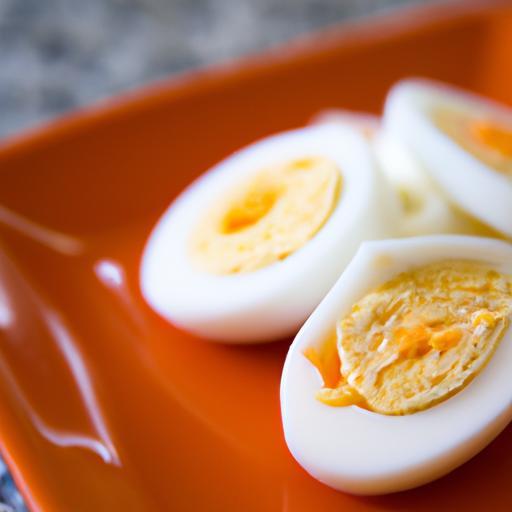
there’s an art hidden in the humble boiled egg-a timeless classic that transforms simple ingredients into a canvas of flavour and texture. While boiling an egg might seem like the most straightforward kitchen task,mastering the perfect savory boiled egg is a subtle science that unlocks layers of taste and satisfaction.From achieving that ideal tender white to a creamy, luscious yolk, this culinary staple offers endless opportunities to savor simplicity at its finest. Join us as we crack open the secrets to boiling eggs flawlessly and explore inventive ways to elevate this everyday snack into a savory masterpiece.
Savor the Simplicity: mastering savory boiled eggs perfectly begins with understanding the science that transforms a humble egg into a sublime experiance. Whether you crave that luscious, jammy yolk or a firm, sliceable center, this culinary journey elevates the everyday boiled egg into an art form worthy of yoru plate. From selecting the freshest eggs to key tools that guarantee consistency, you’ll learn how each factor influences the texture, flavor, and ease of peeling. This guide is designed to make every boiled egg flawless,inspiring your creativity with compelling seasoning ideas to turn a simple snack into a gourmet delight.
Prep and Cook Time
- Preparation: 5 minutes
- Cooking: 7-12 minutes (depending on desired doneness)
- Total Time: 12-17 minutes
Yield
Serves 4 – yielding 8 to 12 perfectly boiled eggs depending on serving size.
Difficulty Level
Easy – ideal for home cooks of all skill levels.
Ingredients
- 8 large fresh, free-range eggs (preferably 7-10 days old for easier peeling)
- 4 cups filtered water
- 1 teaspoon sea salt (optional, for boiling water)
- Ice cubes and cold water for an ice bath
instructions
- Bring water to a boil: Pour filtered water into a medium saucepan, add sea salt if desired, and bring to a gentle boil over medium-high heat.
- Prep the eggs: While waiting, remove eggs from the fridge to temper slightly-room temperature eggs reduce cracking and promote even cooking.
- Lower eggs gently: Using a slotted spoon, carefully lower eggs into the boiling water to avoid cracking. A gentle touch preserves the shell’s integrity and ensures smooth peeling later.
- Set timer according to doneness:
- Soft-boiled (runny yolk): 6-7 minutes
- Medium-boiled (jammy yolk): 8-9 minutes
- Hard-boiled (firm yolk): 10-12 minutes
- Immediately chill eggs: Onc time is up, transfer eggs to an ice bath to stop cooking and firm up the whites, locking in that perfect texture.
- Peel with ease: After 5 minutes in the ice bath, gently tap each egg on a hard surface, then roll to crack evenly. Peel under running cold water to separate the shell smoothly from the membrane.
Creative Seasoning Ideas to Elevate Your Boiled Egg Experience
Transform your perfectly boiled eggs from simple to impressive with these savory twists:
- Everything Bagel Spice: Sprinkle a mix of sesame seeds, dried onion, and poppy seeds with a light sea salt dusting for that iconic flavor burst.
- smoked Paprika & Sea Salt: Add a smoky depth complemented by the crisp salt crystals-perfect for a rustic finish.
- Herbaceous Za’atar Blend: A Middle Eastern classic; its nutty sumac and thyme brighten and balance the creamy yolks.
- Truffle Salt & Chives: A decadent yet simple topping that elevates the boiled egg into a gourmet snack.
- Spicy Chili-Lime Dust: A hint of heat paired with zesty citrus livens up every bite.
Tips for Success
- Egg Freshness: Slightly older eggs peel more easily as the pH of the white rises over time, reducing stickiness to the shell’s membrane.
- Consistent Size: Use eggs of uniform size for even cooking. Large eggs usually work best with the times noted.
- Temperature Control: Don’t boil eggs straight from the fridge; tempering reduces cracking and uneven textures.
- Ice Bath Importance: It’s essential to halt the cooking process swiftly to avoid the dreaded green ring around the yolk and maintain that creamy, inviting center.
- Storage: Store peeled or unpeeled boiled eggs in airtight containers in the fridge for up to 5 days.
Serving Suggestions
Serve these perfectly boiled eggs as is for a protein-packed snack or elevate your presentation:
- Slice atop luminous green avocado toast, finishing with a drizzle of olive oil and cracked black pepper for a nourishing breakfast.
- Halve and nestle on a bed of mixed greens, garnished with thinly sliced radishes, microgreens, and a splash of homemade vinaigrette.
- Top ramen or grain bowls with soft or medium-boiled eggs, adding creamy texture and umami depth.
- Present as deviled eggs using a smooth herb-aioli filling, decorated with smoked paprika or fresh dill.

| Nutrient | Per Egg (large) |
|---|---|
| Calories | 78 |
| Protein | 6.3g |
| Carbohydrates | 0.6g |
| Fat | 5.3g |
For a deeper dive into egg varieties and cooking techniques, check out our detailed guide to cooking eggs perfectly. For scientifically-backed insights on egg freshness and safety, the USDA Food Safety and Inspection Service offers excellent resources.
Q&A
Q&A: Savor the Simplicity – Mastering Savory Boiled Eggs Perfectly
Q1: Why are boiled eggs considered a quintessential comfort food despite their simplicity?
A1: Boiled eggs embody comfort through their nostalgic familiarity and effortless preparation. Their mild flavor acts as a blank canvas, inviting a world of savory enhancements that transform an everyday staple into a gourmet treat. This simplicity makes them accessible yet endlessly versatile, proving that sometimes the best pleasures are found in the basics.
Q2: What is the secret to achieving the perfect boiled egg texture every time?
A2: Precision is key! Start with eggs at room temperature to minimize cracking, and gently lower them into boiling water. For a creamy, jammy yolk, cook for about 6-7 minutes; for a firm, fully set yolk, aim for 9-12 minutes. Immediately plunging them into ice water stops the cooking process, preserving that ideal texture and making peeling a breeze.
Q3: How can one elevate boiled eggs into a savory delight without overwhelming the palate?
A3: Elevating boiled eggs lies in layering flavors delicately. A sprinkle of flaky sea salt paired with freshly cracked black pepper enhances natural richness. Add notes like smoked paprika, a drizzle of infused olive oil, or finely chopped herbs such as chives, dill, or tarragon to stimulate the senses without overshadowing the egg’s subtlety.
Q4: Are there any prep hacks to make peeling boiled eggs easier and more satisfying?
A4: Absolutely! Older eggs tend to peel more cleanly than very fresh ones, so plan ahead if you can. After boiling, shocking eggs in an ice bath not only cools them but also contracts the egg whites away from the shell, enabling a smoother peel.Gently tapping and rolling the egg on a hard surface creates cracks that guide the shell off in larger, manageable pieces.
Q5: Can boiled eggs be a balanced snack or meal component beyond breakfast?
A5: Definitely! Boiled eggs provide protein and healthy fats that satisfy hunger and fuel the body. Paired with crunchy veggies, whole grains, or creamy avocado, they make a quick, nutrient-rich snack or a hearty salad topper.Their portability and long shelf-life make them ideal for busy days when simplicity meets sustenance.
Q6: How does seasoning affect the final taste of boiled eggs, and what combinations work best?
A6: Seasoning transforms the neutral egg into an exciting flavor journey.Classic pairings like salt and pepper are timeless, but experimenting with spice blends such as za’atar, sumac, or a touch of curry powder introduces an exotic flair. Fresh herbs or a hint of citrus zest can brighten the experience, creating depth without complexity.
Q7: What role does water quality and temperature play in boiling eggs perfectly?
A7: Water quality, though subtle, can influence the cooking experience and taste. Using filtered water reduces impurities that might alter flavor or cloud the water. Starting eggs in boiling water yields more consistent results for timing, while starting in cold water allows for gradual heating, which some purists prefer for even cooking. Ultimately, consistency and timing are more critical than water variations.
Q8: Can boiled eggs be incorporated into savory dishes beyond just eating them plain or sliced?
A8: Yes! Boiled eggs can shine in countless savory creations-chopped into vibrant salads, blended into creamy egg spreads, or nestled atop grain bowls.Their rich texture adds heft and mouthfeel, while their subtle flavor balances bold dressings and spices. The humble boiled egg is a culinary chameleon-ready to adapt and enrich.
Q9: What is the best way to store boiled eggs to retain freshness and flavor?
A9: store boiled eggs unpeeled in a covered container in the refrigerator, ideally consumed within a week. Keeping the shell intact protects the egg from absorbing odors and moisture loss. If peeled, place them in a bowl of water, changing daily, or wrapped tightly in a damp paper towel to maintain humidity and freshness.
Q10: How does mastering the humble boiled egg elevate overall cooking confidence?
A10: Mastery of boiled eggs signifies understanding of timing, texture, and flavor balance on a essential level. This seemingly simple skill fosters patience and attention to detail, building a foundation for more complex culinary endeavors. When you can perfect the boiled egg, you unlock an thankfulness for ingredient respect and controlled techniques that resonate across the kitchen.
Closing Remarks
As you master the art of the perfectly boiled savory egg, remember that simplicity often holds the deepest joys on a plate. With just a few thoughtful steps-timing, seasoning, and a touch of patience-you transform humble eggs into a satisfying, flavorful snack or a versatile addition to any meal. So next time you crave comfort in its purest form, savor the simplicity and delight in the timeless perfection of a perfectly boiled egg. After all, sometimes the most remarkable culinary experiences come from embracing the basics with care and confidence.