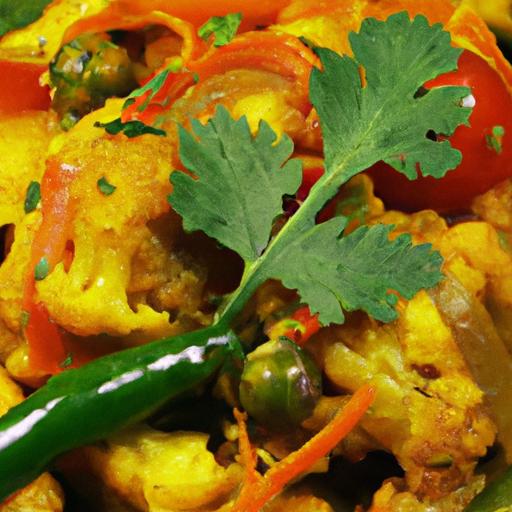



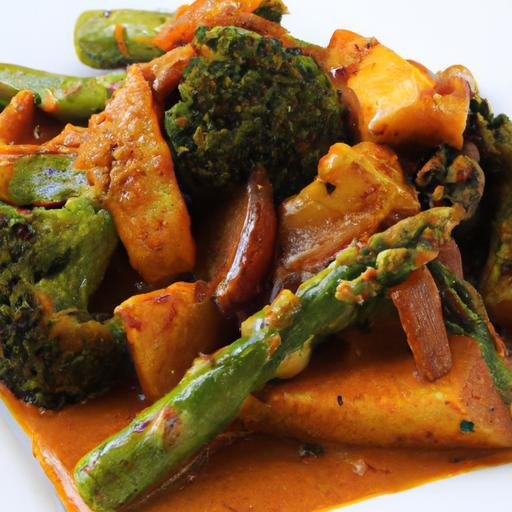
Step into a vibrant tapestry of flavors, were every bite tells a story steeped in tradition, culture, and color. Indian vegetarian cuisine is much more than just a meal-it’s an artful celebration of spices, textures, and aromas that dance harmoniously on the palate. From the fiery depths of red chili to the warm embrace of turmeric, each dish offers a unique glimpse into the rich heritage of india’s diverse regions. Join us as we embark on a colorful journey thru vegetarian Indian meals, savoring the spice and discovering how these carefully crafted recipes bring health, happiness, and heritage to the table.
Savoring spice: A Colorful Journey Through Vegetarian Indian Meals unlocks the magic behind the bold, fragrant spice blends that define India’s vast culinary tapestry. Each spice tells a story of heritage and place-from the earthy warmth of cumin and coriander in the north to the fiery kick of red chili and mustard seeds that dominate southern kitchens. Embracing these layers of flavor enriches your vegetarian dishes, transforming humble ingredients into sensory delights that tantalize both the eyes and taste buds.
Prep and Cook Time
- Planning: 20 minutes
- Cooking: 30 minutes
- Total: 50 minutes
Yield
Serves 4 hearty portions
Difficulty Level
Medium - perfect for adventurous home cooks ready to explore authentic Indian spice crafting
Ingredients
- 2 cups basmati rice, thoroughly rinsed
- 1 tbsp ghee or vegetable oil
- 1 tsp cumin seeds
- 1 tsp mustard seeds
- 1 medium onion, finely sliced
- 3 cloves garlic, minced
- 1-inch piece fresh ginger, grated
- 2 green chilies, slit lengthwise (adjust to taste)
- 1 tsp turmeric powder
- 2 tsp coriander powder
- 1 tsp garam masala
- 1 cup mixed vegetables (e.g., carrots, peas, cauliflower florets)
- 4 cups water
- Salt to taste
- A handful of fresh cilantro leaves, chopped, for garnish
- Juice of half a lemon
- Optional: 1 tbsp toasted cashews or golden raisins
Instructions
- Prepare the Rice: Rinse the basmati rice under cold water until it runs clear to remove excess starch. Soak it for 20 minutes, then drain well.
- Heat the Ghee/Oil: In a heavy-bottomed pan, warm the ghee over medium heat. Onc shimmering, add cumin and mustard seeds. Let them crackle-this releases their nutty aroma.
- sauté Aromatics: Add the sliced onions and cook until golden brown, about 7 minutes, stirring frequently to avoid burning. Incorporate minced garlic, grated ginger, and green chilies; sauté for another 2 minutes until fragrant.
- Add Spices: Sprinkle in turmeric, coriander powder, and garam masala. Stir promptly to coat the onions and allow the spices to bloom in the warm ghee, enhancing their flavor.
- Cook Vegetables: Toss in your mixed vegetables and sauté gently for 3-4 minutes to start softening them while absorbing the spices’ essence.
- Add Rice and Water: Fold the soaked rice into the pan, stirring carefully to combine. Pour in 4 cups of water and add salt to taste. Bring the mixture to a vigorous boil.
- Simmer: Reduce the heat to low, cover the pan with a tight-fitting lid, and let it simmer for 15-18 minutes until the rice is tender and all water is absorbed.
- Rest and Fluff: Turn off the heat and allow the rice to rest, covered, for 5 minutes. Then gently fluff the rice with a fork to separate the grains without breaking them.
- Final Touches: Stir in freshly chopped cilantro and a squeeze of lemon juice to brighten the dish. Optionally, sprinkle toasted cashews or golden raisins for added texture and sweetness.
Tips for Success
- Toast whole spices: For a deeper flavor, dry-toast cumin and mustard seeds before frying them in oil.
- Adjust Chili Heat: Tailor the amount of green chilies to your comfort – deseeding them reduces pungency while retaining flavor.
- Use fresh ingredients: Fresh ginger, garlic, and cilantro truly elevate the dish’s complexity and vibrancy.
- Make ahead: This dish reheats beautifully; store leftovers in an airtight container and gently rewarm with a splash of water to revive moisture.
- Vegetable Variations: seasonal veggies like bell peppers, beans, or spinach can be excellent substitutions or additions.
- rice Alternatives: While basmati is customary, jasmine rice or brown rice can be used with adjusted cooking times.
Serving Suggestions
Present your Indian-spiced vegetable pulao garnished with fresh cilantro and a wedge of lemon on the side. Serve alongside creamy raita or cooling cucumber salad to balance the warmth and spice. For a delightful meal, pair with warm naan or crisp papadums. The vivid colors of the vegetables and golden rice create a stunning centerpiece that invites shared feasting and celebration of flavors.
| Nutrient | Per Serving |
|---|---|
| Calories | 320 kcal |
| Protein | 7 g |
| Carbohydrates | 60 g |
| Fat | 6 g |

For a deeper dive into Indian vegetarian cuisine, explore our indian Vegetarian Curry Recipes. Discover how diverse regional spices turn simple vegetables into unforgettable meals.
Learn more about the health benefits of traditional Indian spices from this NCBI research article.
Q&A
Q&A: Savoring Spice – A Colorful Journey Through Vegetarian Indian Meals
Q: What makes Indian vegetarian cuisine uniquely vibrant and flavorful?
A: Indian vegetarian cuisine is a kaleidoscope of colors, textures, and spices. The secret lies in the artful blend of aromatic spices like cumin, coriander, turmeric, and garam masala combined with fresh herbs, diverse lentils, vegetables, and grains. Each spice contributes not only flavor but also a visual warmth, turning simple ingredients into culinary masterpieces that nourish both body and soul.
Q: How do Indian chefs balance spice and heat without overpowering the dish?
A: Indian cooks master a delicate dance of spice layering-building depth and complexity rather than overwhelming the palate. Ingredients like yogurt, coconut milk, and ghee help temper heat, while the slow cooking of spices allows their flavors to bloom gradually. This method ensures that the heat enhances rather than dominates, inviting diners to savor each dimension of taste.Q: What role do legumes and pulses play in Indian vegetarian meals?
A: Legumes and pulses are the backbone of vegetarian Indian fare, providing protein, texture, and heartiness. Lentils like masoor, toor, and chana, and beans like rajma and black-eyed peas, take center stage in dishes that are both rustic and rich in nutrition. Besides being a staple, they absorb spices beautifully, making every bite a comforting experience.
Q: Can you highlight some iconic vegetarian dishes that showcase India’s regional diversity?
A: Absolutely! From the fragrant dosas of South India, crisp and golden-served with tangy sambar and coconut chutney-to the creamy paneer tikka of the North, India’s regional flavors tell stories through their signature vegetarian dishes.West Bengal offers shorshe ilish (hilsa fish excluded here, but frequently enough paired with mustard flavors), but vegetarian delights like aloo posto (potatoes in poppy seed gravy) shine. In the West, Gujarat’s undhiyu-a mixed vegetable casserole-is a festival on a plate, bursting with sweet, savory, and spicy contrasts.
Q: How can one recreate the vibrant flavors of Indian vegetarian cooking at home?
A: Start by stocking key spices-turmeric, mustard seeds, asafoetida, curry leaves-and fresh ingredients like ginger, garlic, and chili. Experiment with tempering spices in hot oil to awaken their aromas before adding vegetables or legumes. Keep patience for slow simmering to meld flavors, and don’t shy from adding a squeeze of lemon or a handful of fresh cilantro at the end to brighten the dish. The journey is as rewarding as the destination.
Q: What are some delicious vegetarian street foods in India that capture the essence of spice and color?
A: Indian street food is a carnival of bold tastes and vivid presentations. Favorites include chaat-a medley of crisp fried dough, tangy tamarind chutney, fresh yogurt, and a sprinkle of chaat masala-bursting with sweet, sour, and spicy notes. Samosas filled with spiced potatoes and peas reveal golden,flaky surprises,while pani puri offers playful bursts of tangy,spicy water in crunchy shells. These snacks exemplify how vegetarian dishes can be both indulgent and exhilarating.
Q: How does Indian vegetarian cuisine reflect cultural and spiritual values?
A: Vegetarianism in India often intertwines with spiritual beliefs that emphasize ahimsa,or non-violence. This ethos encourages a harmonious relationship with nature, reflected in meals that respect the earth’s bounty and promote wellness. The diversity of vegetarian dishes across India showcases this profound connection, turning daily meals into celebrations of tradition, mindfulness, and community.Q: Are Indian vegetarian dishes nutritious as well as flavorful?
A: Indeed! Indian vegetarian cuisine boasts a balanced nutritional profile with plant-based proteins, fiber-rich legumes, vitamins from vibrant vegetables, and healthy fats like ghee or mustard oil. the use of spices often brings antioxidant and anti-inflammatory benefits,making these meals a feast not only for the senses but also for overall health.
Q: What is a creative way to present a vegetarian Indian meal for a festive occasion?
A: Think rainbow plates arranged with colorful curries, dal lentils, fragrant basmati rice, and fresh salads like kachumber. Serve with a variety of chutneys-mint, tamarind, and mango-for contrasting flavors. Garnish generously with toasted nuts, pomegranate seeds, and fresh herbs. The visual feast invites a communal experience, where sharing each dish adds warmth to the celebration.
Embark on this flavorful voyage where every spice and vegetable tells a story-savor the artistry and soul of vegetarian Indian cuisine!
Concluding Remarks
As our flavorful voyage through the vibrant world of vegetarian indian cuisine draws to a close,one truth stands clear: Indian spices do more than tantalize the palate-they tell stories of culture,history,and tradition with every bite. From the warm embrace of cumin to the fiery kiss of red chili, each spice paints a masterpiece that transforms humble vegetables into unforgettable meals. whether you’re a seasoned foodie or an adventurous beginner,savoring these colorful dishes invites you to experience India’s rich culinary heritage in all its aromatic glory.So next time you seek a meal that delights both eye and appetite, remember-there’s a spice-infused story waiting patiently on your plate.