
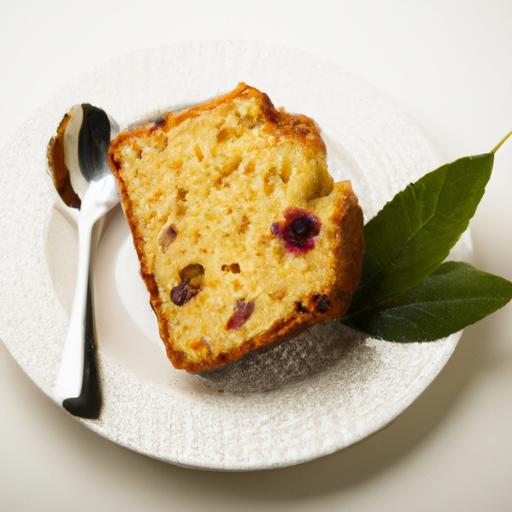
Ther’s an art to creating the perfect sponge cake-a delicate dance of air, ingredients, and technique that yields a tender, fluffy masterpiece. But when gluten is off the table, this culinary waltz becomes a bit more complex. Enter the world of gluten-free baking, where traditional flour gives way to a vibrant medley of alternatives, and precision is key to achieving that iconic lightness. In this article, we’ll unravel the secrets to mastering a gluten-free sponge cake that rises with grace and melts on the tongue, proving that even without gluten, softness and fluffiness are well within reach. Whether you’re baking for dietary needs or simply exploring new textures, prepare to elevate yoru sponge cake game to airy perfection.
fluffy & Light gluten-free sponge cake baking starts with smart flour choices, the art of aeration, and ingredient harmony. Selecting the perfect blend of gluten-free flours sets the foundation for a tender crumb that melts on your tongue. Combining this with well-executed techniques to whip air into your batter promises a cloud-like texture in every slice.
Choosing the Ideal Gluten-Free Flours for a Tender Crumb
For a sponge cake that’s both moist and spongy, blend flours with varying properties. Almond flour adds natural moisture and richness, while rice flour keeps the crumb light without weighing it down. Meanwhile, sorghum flour offers a subtle nuttiness and structure, and tapioca starch contributes springiness and chew. Balancing these flours avoids the typical dryness or graininess frequently enough associated with gluten-free baking.
Using a finely sifted mixture prevents clumping and ensures even distribution. Pre-mixing your flour blend also helps maintain consistency from batch to batch, elevating your confidence in every bake.
Techniques to Whip Air Into Your Batter for Maximum Fluffiness
In gluten-free sponge cake baking, air is your best ally. Begin by separating your eggs and whipping the whites with a pinch of cream of tartar until they form stiff peaks. This step creates microscopic air pockets necessary for lift. Gently folding the airy egg whites into the batter preserves this precious volume and avoids deflation.
When working with the yolks, gradually add sugar as you beat; this ribbons the batter and traps air. The balance of patience and technique here is key – overmixing will zap your batter of life, but under-mixing leads to uneven texture. Using a hand whisk or electric mixer on medium speed gives you the control to achieve just the right consistency for a sponge cake that’s airy and tender.
Balancing Moisture and Structure with the Right Ingredients
Moisture plays a starring role in gluten-free sponge cakes.Ingredients such as honey or maple syrup introduce softening sugars that hold onto moisture, while yogurt or sour cream contributes acidity and tang that brighten flavor and improve crumb texture. Adding a small amount of arrowroot powder or cornstarch can further lighten the flour mixture, creating a silkier mouthfeel.
To bolster structure without gluten’s elasticity,a touch of xanthan gum or guar gum ensures your cake maintains its shape and rise. Careful measurements are critical-too much may lead to an overly dense or gummy result.
Baking Tips and Temperature Tricks for an Even Rise
Precision in oven temperature and timing transforms your batter from merely good to extraordinary. Preheat your oven adequately to 350°F (175°C) for consistent heat distribution. Baking on the middle rack guarantees an even ascent without the risk of scorching.
A useful trick is to place your baking tins on a baking sheet lined with parchment; this provides gentle bottom heat for an even rise and a golden crust. Resist the temptation to open the oven door before 75% of baking time has elapsed, as sudden temperature changes cause the delicate structure to collapse.
Once baked, cool the cake upside down on a rack (if baked in a ring mold) or remove from pans carefully after slight cooling to preserve shape and moist crumb.
Prep and Cook Time
- Readiness: 20 minutes
- Baking: 25 minutes
- Cooling: 30 minutes
Yield
Serves 8-10 slices
Difficulty level
Medium – perfect for home bakers ready to elevate their gluten-free repertoire
Ingredients
- 3/4 cup almond flour, finely ground
- 1/2 cup white rice flour, sifted
- 1/4 cup sorghum flour
- 1/4 cup tapioca starch
- 1 teaspoon xanthan gum
- 1/2 cup granulated sugar, divided
- 4 large eggs, separated
- 1 teaspoon cream of tartar
- 1/4 cup plain yogurt, room temperature
- 2 tablespoons honey or pure maple syrup
- 1 teaspoon pure vanilla extract
- 1/4 teaspoon fine sea salt
Instructions
- Preheat the oven to 350°F (175°C). Line an 8-inch round cake pan with parchment paper and grease the sides lightly.
- In a large bowl, whisk together almond flour, rice flour, sorghum flour, tapioca starch, xanthan gum, and salt until fully combined and sift the mixture once more to remove lumps.
- In a separate bowl, beat the egg yolks with ¼ cup sugar until pale and thick. Mix in yogurt, honey, and vanilla extract until smooth.
- Beat the egg whites with cream of tartar in a clean, grease-free bowl until soft peaks form. Gradually add the remaining ¼ cup sugar, beating until stiff peaks develop.
- Gently fold the dry ingredients into the egg yolk mixture in two additions, alternating with careful folding in the fluffy egg whites. Use a spatula to preserve the air bubbles-do not over-stir.
- Pour the batter into the prepared pan, smoothing the top with a spatula. Tap the pan lightly on the counter to release any large air bubbles.
- Bake for 25 minutes or until the cake springs back to the touch and a toothpick inserted in the center comes out clean.
- Allow the cake to cool in the pan for 10 minutes before inverting onto a wire rack to cool entirely.
Chef’s Notes
- To enhance the flavor, try folding in fresh grated lemon zest or a teaspoon of almond extract for a nutty aroma.
- If you don’t have xanthan gum, guar gum is an excellent substitute in equal measure.
- For a dairy-free version, swap yogurt with coconut or almond yogurt with the same quantity.
- Make-ahead tip: This sponge cake can be wrapped and frozen for up to 2 weeks.Thaw completely before frosting or serving.
- If your batter seems too dense, an extra egg white can add volume without compromising moisture.
Serving Suggestions
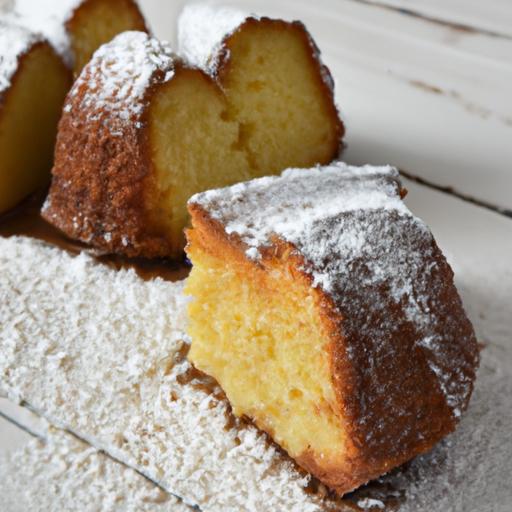
Serve your beautifully airy sponge with a dusting of powdered sugar and fresh berries for a classic presentation. for an elegant touch, layer with whipped coconut cream and a drizzle of berry coulis. To elevate a simple teatime treat, accompany slices with a scoop of homemade vanilla ice cream or a dollop of tangy mascarpone.

| Nutrient | Per Serving (1 slice) |
|---|---|
| Calories | 210 kcal |
| Protein | 5 g |
| Carbohydrates | 22 g |
| Fat | 12 g |
For more gluten-free baking inspiration, check out our complete guide to gluten-free desserts. to understand the science behind gluten-free flours, visit Celiac Disease Foundation’s guide.
Q&A
Q&A: Fluffy & Light – Mastering the Perfect Gluten-Free Sponge Cake
Q1: Why is making a gluten-free sponge cake more challenging then a traditional one?
A1: traditional sponge cakes rely on the elasticity of gluten to trap air and create that coveted airy texture. Gluten-free flours lack this natural stretch, so achieving a light, fluffy structure requires clever ingredient swaps and techniques to mimic gluten’s role without sacrificing moisture or tenderness.
Q2: Which gluten-free flours work best for sponge cakes?
A2: A blend is your best friend! Combining finely milled rice flour with tapioca starch and a touch of potato starch often yields a balanced texture-light, tender, and with just the right bounce. Almond or coconut flour can add flavor and moisture but should be used carefully as they’re denser and can weigh the cake down if overused.
Q3: How can I ensure the sponge cake rises properly without gluten?
A3: The secret lies in properly whipping eggs-especially the whites-until they’re stiff and glossy. These beaten eggs act as natural leaveners, creating air pockets that help your sponge soar. Additionally, incorporating mild leavening agents like baking powder can provide an extra lift.Q4: Is there a special technique to folding ingredients in gluten-free sponge cakes?
A4: Absolutely! Folding must be gentle and deliberate. You want to combine the whipped eggs with dry ingredients without knocking out the precious air bubbles.Use a rubber spatula in slow, sweeping motions, turning the bowl and folding from bottom to top. This patience pays off in a fluffy crumb.
Q5: What role do eggs play in a gluten-free sponge cake?
A5: Eggs are the unsung heroes in gluten-free baking. The whites, when whipped, create a network of bubbles that give the cake volume, while the yolks add richness, moisture, and color. They also help bind ingredients together in the absence of gluten’s structure.
Q6: Can I substitute traditional sugar in a gluten-free sponge cake?
A6: Yes! Natural sweeteners like coconut sugar, maple syrup, or honey can be used, but keep in mind that liquid sweeteners will add extra moisture, which could affect texture. Adjusting the liquid content or baking time slightly may be necessary to maintain that classic sponge cake lightness.
Q7: How critically importent is the baking pan choice for a gluten-free sponge cake?
A7: Quite important! Light-colored, non-stick pans help the cake bake evenly without over-browning. Also, smaller or shallower pans distribute heat more uniformly, preventing dense or undercooked centers-a crucial consideration when working with delicate gluten-free batters.
Q8: Any tips for preventing the cake from drying out?
A8: Gluten-free batters can dry out faster,so don’t overbake! start checking for doneness a few minutes early by inserting a toothpick-it should come out clean or with a few moist crumbs.Wrapping the cooled cake lightly in plastic wrap or storing it in an airtight container preserves moisture beautifully.
Q9: Can I add flavors or inclusions without compromising the sponge’s texture?
A9: Definitely! Citrus zest, vanilla extract, or finely chopped fresh fruits can brighten the flavor without overwhelming the delicate crumb. Just fold them in gently and avoid heavy mix-ins like nuts or chocolate chunks in the batter-they’re better added as toppings or fillings to maintain sponge integrity.
Q10: What’s your final secret to mastering a gluten-free sponge cake?
A10: It’s patience and precision-whip your eggs just right, fold carefully, and treat your batter with gentle hands. celebrate the unique properties of gluten-free flours, and don’t be afraid to experiment with blends until you find your perfect fluffy, light masterpiece!
The Way Forward
Mastering the art of a fluffy and light gluten-free sponge cake doesn’t have to be a culinary mystery. With the right blend of ingredients, attentive techniques, and a sprinkle of patience, you can create a cake that rivals any traditional version in both texture and taste.Whether you’re baking for dietary needs or simply exploring new flavors, this guide empowers you to embrace gluten-free baking with confidence and creativity. So, next time you crave that airy slice of comfort, remember: perfection is just a whisk away. Happy baking!