


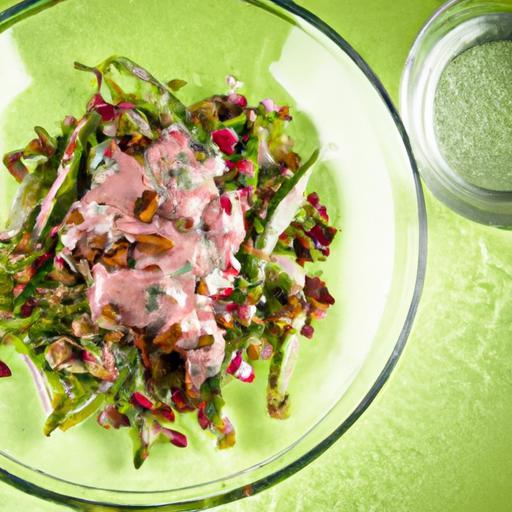
In recent years, a quiet revolution has been stirring in kitchens and dining tables around the world-a shift toward embracing the vibrant flavors and wholesome benefits of plant-based meals. “Nourish Naturally” delves into this growing movement, exploring how an increasing number of people are turning away from animal products and toward nature’s bounty for nourishment. From colorful salads bursting with fresh produce too innovative meatless creations that satisfy even the most steadfast carnivores, plant-based eating is reshaping not just our plates but our relationship with food, health, and the habitat.Join us as we uncover the roots of this trend, its impact on well-being, and why more individuals are choosing to nourish themselves naturally.
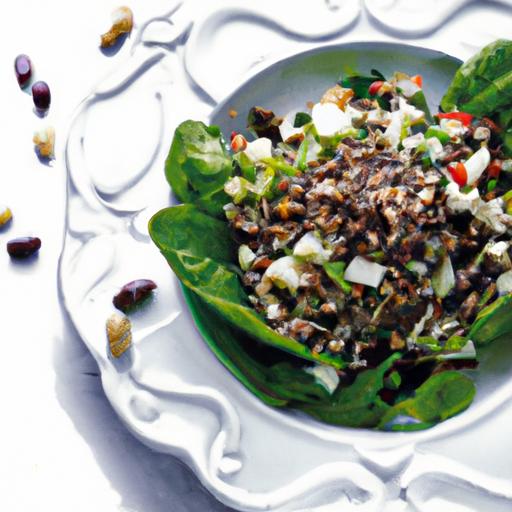
Nourish naturally with this vibrant Mediterranean Chickpea and Quinoa Salad-a dish that celebrates the bounty of plants and bursts with textures and flavors that awaken the senses. Inspired by the sun-drenched coasts of the Mediterranean, this salad combines wholesome, enduring ingredients that embody the essence of plant-based nutrition. it’s more than just a meal; it’s a colorful canvas of earthy quinoa, creamy chickpeas, ripe tomatoes, and fresh herbs, dressed in a zesty lemon-tahini dressing that brings everything beautifully together.
Prep and Cook Time
Prep: 15 minutes | Cook: 20 minutes | Total: 35 minutes
Yield
Serves 4 as a main course, or 6 as a side dish
Difficulty Level
Easy
Ingredients
- 1 cup quinoa, rinsed
- 1 ¾ cups water
- 1 can (15 oz) chickpeas, drained and rinsed
- 1 cup cherry tomatoes, halved
- 1 large cucumber, diced
- ½ cup red onion, finely chopped
- ¼ cup Kalamata olives, pitted and sliced
- ½ cup fresh parsley, chopped
- ¼ cup fresh mint, chopped
- For the dressing:
- 3 tbsp tahini
- Juice of 1 large lemon
- 2 tbsp extra-virgin olive oil
- 1 clove garlic, minced
- 1 tsp maple syrup or agave nectar
- Salt and freshly cracked black pepper, to taste
- 2-3 tbsp water (to thin dressing)
Instructions
- Cook the quinoa: In a medium saucepan, combine the rinsed quinoa and water. Bring to a boil over medium-high heat, then reduce to a simmer, cover, and cook for about 15 minutes or until the water is absorbed and quinoa is fluffy. Remove from heat and let it stand, covered, for 5 minutes. Fluff with a fork.
- Prepare the dressing: In a small bowl, whisk together tahini, lemon juice, olive oil, garlic, maple syrup, and a pinch of salt and pepper. Gradually add water, one tablespoon at a time, until the dressing reaches a smooth, pourable consistency.
- Combine the salad: In a large bowl, gently toss cooked quinoa, chickpeas, cherry tomatoes, cucumber, red onion, olives, parsley, and mint. Drizzle the dressing over the salad and toss again to coat all ingredients evenly.
- Adjust seasoning: Taste and adjust salt, pepper, or lemon juice as needed for brightness.
- Chill and serve: For best flavor, refrigerate the salad for 30 minutes before serving to let the ingredients meld beautifully.
Tips for Success
- Quinoa rinsing: Always rinse quinoa under cold water for about 1 minute to remove its natural bitter coating, saponin, ensuring a pleasant, nutty flavor.
- Protein boost: Add toasted pine nuts or pumpkin seeds for extra crunch and nutrition.
- Make-ahead amiable: This salad keeps well refrigerated for up to 3 days, making it a perfect meal prep option.
- Customize your greens: Swap parsley or mint with fresh cilantro or basil for a flavor twist.
- Texture balance: When chopping vegetables, aim for uniform pieces so each bite delivers a harmonious blend of flavors and textures.
Serving Suggestions
This salad shines served chilled or at room temperature, perfect on its own or paired with warm, crusty whole-grain bread. Garnish with a sprinkling of toasted sesame seeds and a wedge of lemon for a zesty pop. For a heartier meal,serve alongside roasted root vegetables or a smoky,spiced lentil stew. The vibrant colors and fresh aroma make it an inviting centerpiece for lunchboxes, picnics, or elegant plant-based dinners.

| Nutrient | Per Serving |
|---|---|
| Calories | 320 kcal |
| Protein | 10 g |
| Carbohydrates | 45 g |
| Fat | 9 g |
For an in-depth look at other fabulous plant-based dishes, explore our guide on plant-based proteins and how they fit into your diet. To understand the science and benefits behind plant-based nutrition, visit the Harvard T.H. Chan school of Public Health for expert insights.
Q&A
Q&A: Nourish Naturally - Exploring the Rise of Plant-Based Meals
Q1: What’s behind the growing popularity of plant-based meals today?
A1: The plant-based movement has sprouted from a blend of health consciousness, environmental awareness, and ethical considerations. people are increasingly seeking meals that nourish their bodies without compromising the planet or animal welfare. Plus, with delicious innovations and global flavors, plant-based dishes have become anything but boring.
Q2: How do plant-based meals contribute to better health?
A2: Rich in fiber, vitamins, antioxidants, and plant-powered proteins, plant-based meals can promote heart health, improve digestion, and stabilize energy levels. They are ofen lower in saturated fat and cholesterol, making them a flavorful ally in preventing chronic diseases.
Q3: Are plant-based meals expensive or difficult to prepare?
A3: Absolutely not! With the abundance of seasonal fruits, vegetables, grains, legumes, and nuts, creating plant-based meals can be both budget-friendly and simple. From hearty stews to vibrant salads, the key lies in smart ingredient swaps and embracing versatile recipes.
Q4: Can plant-based meals provide enough protein and essential nutrients?
A4: Yes. Combining legumes like lentils and beans with whole grains, nuts, and seeds covers the spectrum of essential amino acids. Nutrients such as iron,calcium,and vitamin B12 can be sourced thoughtfully through fortified foods and diverse plant combinations.
Q5: How is the culinary world innovating with plant-based ingredients?
A5: Chefs and food artisans are blending tradition with creativity, using techniques like fermentation, sprouting, and marinating to amplify flavors and textures. Exotic plants, ancient grains, and plant-based dairy alternatives are also making waves on plates worldwide, transforming what “mealtime” means.
Q6: What challenges do people face when switching to a plant-based diet?
A6: The biggest hurdles often include overcoming habitual tastes, finding convenient options, and navigating social occasions. However,with a growing array of delicious resources and community support,these challenges are becoming easier to overcome.
Q7: How can someone start incorporating more plant-based meals into their routine?
A7: Begin small-swap one meal a day for a vibrant plant-based plate. Experiment with colorful veggies, hearty grains, and tasty legumes. Cooking at home encourages creativity and control. Remember, nourishment is a journey, not a race.
Q8: What’s the environmental impact of embracing plant-based eating?
A8: Plant-based diets generally require less water, land, and energy, while producing fewer greenhouse gases compared to animal-based diets. Choosing plants helps cultivate a healthier planet, ensuring that future generations can enjoy nature’s bounty.
Q9: Are plant-based meals suitable for all ages and lifestyles?
A9: With thoughtful planning, plant-based nutrition supports growth and vitality at every life stage-from energetic children to active seniors. It can be tailored to suit diverse lifestyles, including athletes, busy professionals, and mindful eaters.
Q10: Where can readers find inspiration for their plant-based culinary adventure?
A10: Cookbooks, food blogs, social media communities, and local farmers’ markets are treasure troves of inspiration. Exploring seasonal produce and regional cuisines unlocks a world of flavors that keep the palate excited and the body nourished naturally.
Embracing plant-based meals invites a colorful spectrum of health, sustainability, and creativity. As this green revolution grows, our plates and palates are poised to flourish like never before.
Wrapping Up
As the vibrant world of plant-based meals continues to flourish, it’s clear that nourishing ourselves naturally is more than just a passing trend-it’s a movement reshaping how we think about food, health, and the planet. From colorful bowls bursting with fresh veggies to innovative plant-powered creations that satisfy even the most devoted meat lovers, the rise of plant-based dining invites us all to explore a more mindful, sustainable way of eating.So whether you’re a curious beginner or a seasoned herbivore, embracing the abundance of nature’s bounty offers a delicious path to wellness that benefits both body and earth. Here’s to savoring every bite, naturally.