
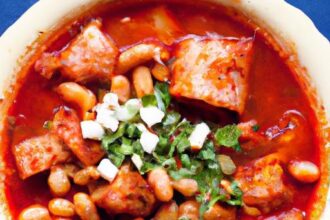

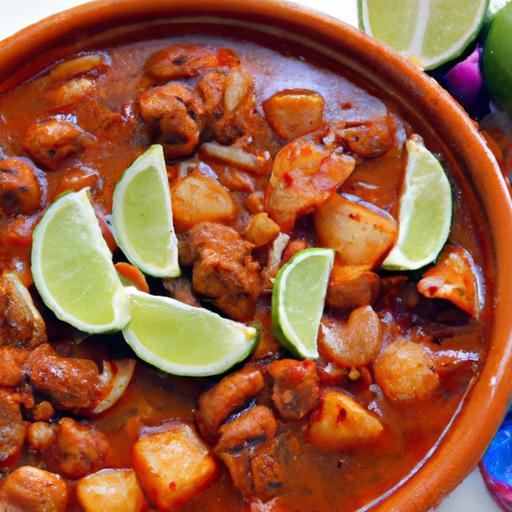
There’s a unique magic simmering in the vibrant kitchens of Mexico, where time-honored recipes are passed down through generations like treasured heirlooms. Among these culinary gems, menudo stands out as a hearty celebration of flavor, culture, and tradition. This beloved Mexican dish-rich, spicy, and soul-satisfying-has long been cherished not just as a meal, but as a ritual that brings families together around the table. in this article, we’ll delve into the authentic menudo recipe, uncovering the secrets behind its bold ingredients and comforting broth, and exploring why this traditional stew remains a beloved cornerstone of mexican cuisine.Whether you’re a seasoned cook or a curious food enthusiast, prepare to embark on a flavorful journey into the heart of Mexico’s gastronomic heritage.
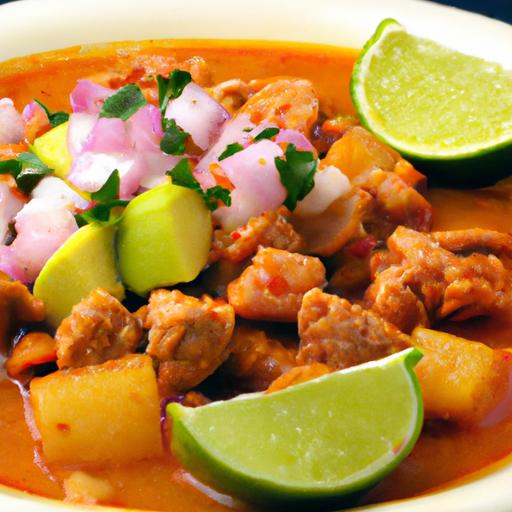
the Authentic Menudo Recipe awakens the soul, inviting you to experience a vibrant Mexican tradition through its bold, hearty flavors and unmistakable aroma. This beloved stew, rooted deeply in Mexican culture, showcases the art of slow-cooking tender tripe in a fragrant, spicy red chili broth that bursts with complexity. Whether shared as a comforting family meal or a celebratory weekend ritual,menudo’s rich history and distinctive ingredients make every spoonful a heartwarming journey.
Prep and Cook Time
- Preparation: 30 minutes
- Cooking: 3 hours
- Total Time: 3 hours 30 minutes
Yield
Serves 6 hearty portions
Difficulty Level
Medium – requires patience and attention to technique, but rewarding for all skill levels
Ingredients
- 3 pounds beef tripe (washed and cut into bite-sized pieces)
- 1 large white onion, quartered
- 5 garlic cloves, peeled
- 2 tablespoons vegetable oil
- 5 dried guajillo chilies, stems and seeds removed
- 3 dried ancho chilies, stems and seeds removed
- 1 tablespoon dried oregano
- 1 tablespoon ground cumin
- 2 bay leaves
- 8 cups beef broth (preferably homemade or low sodium)
- 1 (15-ounce) can hominy, drained and rinsed
- Salt to taste
- Freshly ground black pepper to taste
- Fresh chopped cilantro for garnish
- Chopped white onion for garnish
- Lime wedges, to serve
Instructions
- Prepare the tripe: Rinse the tripe thoroughly under cold water. To tenderize, parboil in a large pot of boiling water for 15 minutes, then drain and rinse again to remove any residual odor and impurities.
- Toast the dried chilies: In a dry skillet over medium heat,toast the guajillo and ancho chilies for 1-2 minutes,turning frequently to avoid burning. Remove and soak the toasted chilies in hot water for 20 minutes untill softened.
- Create the chili paste: drain the soaked chilies and blend them with 2 cloves of garlic, 1/2 the quartered onion, cumin, and a pinch of salt, adding a splash of soaking liquid to form a smooth, vibrant red chili paste.
- Sauté aromatic base: Heat vegetable oil over medium heat in a large heavy-bottomed pot.Add the remaining onion quarters and garlic cloves. Sauté until fragrant and lightly caramelized, about 5 minutes, stirring occasionally.
- Combine tripe and seasoning: Add the parboiled tripe to the pot along with the chili paste, oregano, and bay leaves.Stir well to coat the tripe evenly with the chili mixture.
- Simmer the broth: Pour in the beef broth, bring to a boil, then reduce heat to low. Cover and simmer gently for 2.5 to 3 hours, stirring occasionally, until the tripe is tender and almost creamy in texture.
- Incorporate hominy: Add the hominy and simmer uncovered for an additional 30 minutes. adjust seasoning with salt and pepper to taste.
- Final touches: Remove bay leaves. Serve hot, garnished with chopped fresh cilantro, diced white onion, and lime wedges on the side to brighten and balance the rich flavors.
Tips for Success
- Washing tripe: Multiple rinses with cold water and a fast parboil are essential to yield a clean, mild flavor and tender bite.
- Chili selection: Guajillo and ancho chilies bring smoky, earthy notes with a mild heat level; feel free to adjust quantities depending on your spice tolerance.
- Make-ahead: Menudo tastes even better the next day as flavors meld; refrigerate, then reheat gently over low heat before serving.
- hominy options: For a gluten-free or grain-free variation, substitute hominy with fresh corn kernels or omit altogether.
- Texture mastery: Slow simmering is key. resist rushing the process to avoid tough tripe. Check tenderness with a fork after 2 hours to gauge doneness.
Serving Suggestions
Menudo’s complex, rich broth is perfect accompanied by warm corn tortillas or crusty bolillo rolls.Offer fresh lime wedges to squeeze over each bowl, enhancing brightness and depth. Fresh diced onions and cilantro add textural crunch and herbal freshness, while a side of finely chopped radishes or chopped jalapeños can add a crisp, spicy contrast.
for a complete Mexican feast vibe, pair with a vibrant cabbage salad dressed simply with lime juice and a pinch of salt. A cold glass of traditional aguas frescas such as horchata or tamarind perfectly balances the chili heat, making each spoonful a harmonious celebration of flavors.

| Nutrient | Amount per Serving |
|---|---|
| Calories | 320 kcal |
| Protein | 28 g |
| Carbohydrates | 18 g |
| Fat | 12 g |
For further inspiration on traditional mexican favorites, explore our detailed guide on Chile Relleno Recipe and discover the stunning regional variations that enrich the country’s gastronomy.
To delve deeper into the cultural history and health benefits of beef tripe, consult resources like this complete article from the National institutes of Health.
Q&A
Q&A: Authentic Menudo Recipe – A Traditional Mexican Delight
Q1: What is Menudo,and why is it considered a traditional Mexican dish?
A: Menudo is a hearty,flavorful soup traditionally made with beef tripe simmered in a rich,red chili broth. Rooted deeply in Mexican cuisine, it’s frequently enough enjoyed during festivities and family gatherings, symbolizing comfort, tradition, and communal warmth. Its origins trace back to indigenous and mestizo culinary practices, making it a beloved staple that celebrates Mexico’s vibrant food heritage.
Q2: What are the key ingredients that make an authentic Menudo?
A: The soul of authentic Menudo lies in the tender beef tripe,bright red chile broth (commonly using guajillo and ancho chiles),hominy (dried corn kernels treated through nixtamalization),garlic,onions,oregano,and a touch of lime and cilantro for freshness. These ingredients combined create a symphony of textures and flavors that define this traditional delight.
Q3: How is the beef tripe prepared to ensure the best texture and taste?
A: Preparing beef tripe requires patience and care. First, it’s thoroughly cleaned and often blanched to remove impurities.Then, it’s simmered gently over several hours until tender but still slightly chewy – essential for authentic texture. This slow cooking also allows the tripe to absorb the robust flavors of the chile broth, creating that signature depth.
Q4: Can Menudo be adapted for those who prefer a milder flavor?
A: Absolutely! While Menudo’s classic profile showcases a bold and spicy red chili flavor, you can adjust the heat by moderating the amount or type of chiles used. Using milder varieties or soaking the chiles longer to reduce pungency helps tone down the spice without sacrificing richness. Adding extra hominy or broth also mellows the spiciness.
Q5: What traditional garnishes complement Menudo best?
A: Menudo shines brightest when adorned with fresh garnishes. Common toppings include finely chopped white onions, fresh cilantro, sliced radishes, oregano, and a generous squeeze of lime juice.Some enjoy adding warm corn tortillas or tostadas on the side to scoop and savor each hearty bite.
Q6: Is Menudo typically eaten at a certain time or occasion in Mexico?
A: Traditionally, Menudo is a popular weekend brunch, often served on Sundays or during special celebrations. Many families enjoy it as a restorative dish after events, known for its purported ability to soothe hangovers or nourish the soul after vibrant festivities.It’s a dish that brings people together, symbolizing both tradition and warmth.
Q7: How does Menudo reflect regional variations across Mexico?
A: Though the core elements of Menudo are consistent, regional variations infuse the dish with local character. Some areas add specific spices, incorporate different types of chiles, or vary the use of hominy. These regional nuances showcase Mexico’s culinary diversity while honoring the dish’s authentic roots.
Q8: What cultural significance does Menudo hold beyond its taste?
A: Beyond its appetizing taste, Menudo embodies community, heritage, and resilience. it’s a dish passed through generations, often prepared for family gatherings or communal celebrations, fostering connection and pride. Menudo is a flavorful testament to Mexican culinary ingenuity, celebrating humble ingredients transformed into a memorable feast.
Insights and Conclusions
Embarking on the journey to craft an authentic menudo is more than just following a recipe-it’s a celebration of Mexican heritage, tradition, and communal warmth. Each simmering pot carries stories passed down through generations, blending bold flavors and rich textures that awaken both the palate and the spirit. Whether you’re seeking comfort on a chilly morning or aiming to impress at your next gathering, this traditional Mexican delight promises a taste of genuine culture in every hearty spoonful. So gather your ingredients, embrace the process, and let menudo transport you to the vibrant heart of Mexico’s culinary legacy.