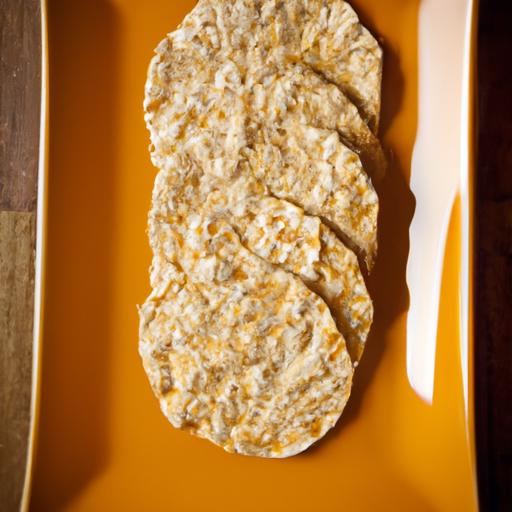


In the vast tapestry of ancient grains, Bajra-also known as pearl millet-shines as a humble yet powerful staple that has nourished civilizations for centuries.Bajra roti, a simple flatbread crafted from this resilient grain, carries with it not only the wisdom of time but also a treasure trove of health benefits that resonate profoundly in today’s wellness-conscious world. As modern diets crave authenticity paired with nutrition, Bajra roti emerges from the shadows of tradition into the spotlight, inviting us to rediscover a delicious, hearty delight that bridges the past and present. Join us as we unveil the story behind this ancient grain and explore why Bajra roti is poised to become a modern-day superfood favorite.
Bajra roti, a timeless treasure of Indian cuisine, harnesses the nutritional prowess of pearl millet to offer a hearty, wholesome meal.Originating from the arid regions of Rajasthan and gujarat, this rustic flatbread delivers an earthy flavor and dense texture that elevates any dining experience. As someone who grew up savoring bajra roti during winter months, I still cherish how its warm, slightly nutty aroma fills the kitchen and brings comfort with each bite. Today, let’s dive into traditional preparation methods alongside modern adaptations that make bajra roti a versatile staple ideal for balanced living and culinary creativity.
Prep and Cook time
- Preparation: 15 minutes
- Resting Time: 10 minutes (optional)
- Cooking: 10 minutes
- Total Time: 35 minutes
Yield
Serves 4 people (8 medium rotis)
Difficulty Level
Medium – requires patience and technique for kneading and rolling
Ingredients
- 1½ cups bajra (pearl millet) flour, fresh and finely ground
- ½ tsp salt (or to taste)
- Warm water, approximately ¾ cup, adjust as needed
- 1 tbsp ghee or melted clarified butter, for brushing
- Optional: 2 tbsp finely chopped fresh coriander or fenugreek leaves (for flavor boost)
- extra flour for dusting while rolling
Instructions
- Mix the flour and salt in a wide bowl, incorporating the optional herbs if using. Gradually add warm water, combining it with your fingers to form a pliable dough.
- Knead gently until the dough becomes soft yet firm enough to hold shape-about 5 minutes. Avoid overhydration, which can cause brittleness.
- Cover the dough with a damp cloth and let it rest for 10 minutes. Resting enhances versatility and improves roti texture.
- Divide the dough into equal-sized balls (around golf-ball size). Dust your working surface with bajra flour to prevent sticking.
- Shape each ball into a disc using your palms, then slowly roll out into a 6-7 inch circle.As bajra flour lacks gluten, rolling requires gentle coaxing-use a dusting of flour and rotate frequently to avoid cracks.
- Heat a tava or flat skillet over medium-high heat until hot but not smoking.
- Cook each roti by placing it on the skillet: cook for 30-40 seconds until small bubbles appear, then flip. After the second side cooks for 30 seconds,flip again and gently press with a spatula or a clean kitchen towel. This encourages puffing and even cooking. Cook for another 20-30 seconds; the roti should develop golden brown spots.
- Remove from heat and brush immediately with ghee for a glossy finish and enhanced flavor.
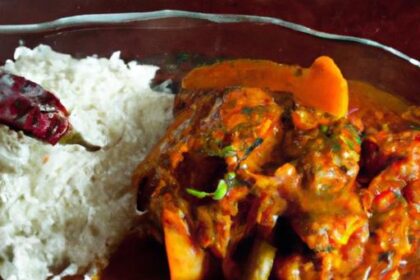
- Serve hot with your choice of vegetable curry, chutney, or cooling yogurt.
Tips for Success
- Dough consistency: Bajra flour is delicate and crumbly. Use warm water and knead slowly to bring the dough together without it sticking excessively.
- Rolling technique: Instead of a rolling pin, you may pat and spread the dough gently by hand on a floured surface for perfect rustic texture.
- Resting period: If time permits, rest the dough up to 30 minutes; it improves pliability and softness.
- Variations: Add a pinch of roasted cumin powder or ajwain (carom seeds) for aromatic layers.
- Make-ahead: Prepared dough can be refrigerated for up to 2 days; bring to room temperature before rolling.
- Storage: Store cooked bajra rotis wrapped in a clean cloth inside an airtight container to retain moisture for the next meal.
Serving Suggestions
Bajra roti pairs beautifully with robust, rustic sides. Try it with tangy baingan bharta (smoked eggplant mash), or a rich protein-packed dal. Garnish with a dollop of fresh homemade butter or a sprinkle of chopped coriander to brighten flavor and add visual appeal. Serve alongside chopped onions,lemon wedges,and green chilies for a true traditional experience.
| Nutrient | Per 1 Bajra Roti |
|---|---|
| Calories | 120 kcal |
| Protein | 3.5 g |
| Carbohydrates | 24 g |
| Fat | 1.2 g |
| Fiber | 2.8 g |

Modern Adaptations: Elevating Bajra Roti
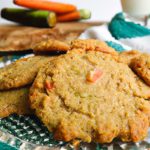
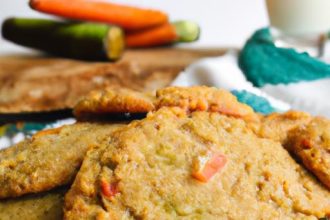
Embracing modern cooking trends, bajra roti can be adapted with flavorful infusions and techniques. Consider adding finely grated vegetables like carrots or spinach directly into the dough for enhanced nutrition and color vibrancy. For quicker preparation, press the dough balls flat and cook on a griddle like a thick pancake, flipping carefully. Using a cast iron pan helps achieve the iconic charred spots reminiscent of traditional open flame cooking.
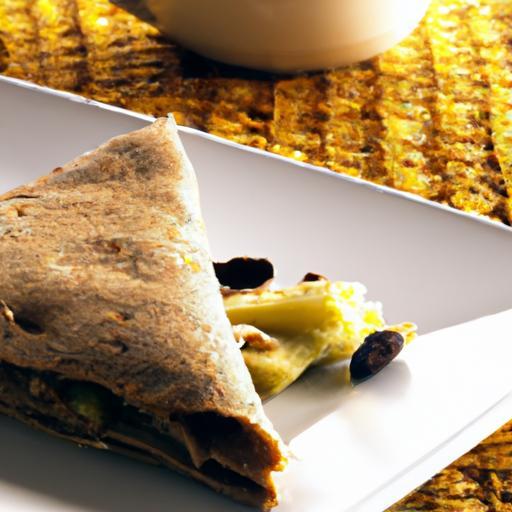
Experimentation also extends to fusion meals – use bajra roti as a wrap for grilled veggies and spiced paneer, or cut it into wedges and crisp lightly for a nutrient-rich snack. This dynamic grain empowers you to craft dishes that honor heritage while inviting innovation.
Q&A
Q&A: Bajra Roti - Ancient Grain, modern Healthy Delight Unveiled
Q1: What exactly is Bajra, and why is it called an ancient grain?
A1: Bajra, also known as pearl millet, is one of the world’s oldest cultivated grains, dating back thousands of years. It thrived in arid regions due to its resilience and nutritional prowess, making it a staple for ancient civilizations. Its longevity earns it the title of an “ancient grain,” connecting us to the wholesome eating habits of the past.
Q2: How does Bajra roti differ from other types of rotis or flatbreads?
A2: Bajra roti is distinctive in both texture and flavor. Made from ground pearl millet flour, it has a slightly coarse, nutty character and a hearty bite. Unlike wheat-based rotis, it is indeed naturally gluten-free and boasts a deeper earthy taste that offers a comforting, rustic twist to traditional flatbreads.
Q3: What health benefits does Bajra roti offer in today’s diet-conscious world?
A3: Bajra roti is a nutritional powerhouse! It is rich in fiber, which aids digestion and promotes a feeling of fullness. It also packs essential minerals like iron, magnesium, and potassium, along with antioxidants that support overall health. Bajra’s low glycemic index helps stabilize blood sugar, making it a smart choice for those managing diabetes or seeking balanced energy.
Q4: Can Bajra roti fit into modern dietary lifestyles like vegan or gluten-free?
A4: Absolutely! Bajra roti is naturally vegan and gluten-free, making it a versatile choice for diverse dietary needs. Its earthy flavor complements plant-based meals beautifully-from vibrant vegetable curries to hearty lentil stews-offering both nutrition and deliciousness in every bite.
Q5: Is preparing Bajra roti arduous compared to wheat rotis?
A5: The process is a bit different due to Bajra’s lack of gluten,which means Bajra dough tends to be more fragile and less stretchy. It requires a gentle touch and sometimes a splash of water or millet husk to bind the dough well. But once you master the technique, the reward is a warm, wholesome roti that feels like a timeless gift from the earth.
Q6: How can one incorporate Bajra roti into everyday meals for a healthy lifestyle?
A6: Bajra roti pairs wonderfully with a variety of dishes. Think spicy vegetable curries,tangy yogurt dips,or even simple ghee and jaggery for a traditional touch. Its hearty profile makes it perfect for breakfast, lunch, or dinner-adding a nourishing boost to your daily meals while keeping things deliciously rustic and fun.
Q7: Are there any engaging cultural stories or traditions associated with Bajra roti?
A7: In many Indian and African communities,Bajra is more than just food-it’s a symbol of sustenance and survival. Particularly in winter, Bajra roti is cherished for its warming qualities and the strength it imparts. Celebrations around harvest times often feature Bajra-based dishes, honoring nature’s resilience and the hard work of farmers who nurture this humble grain.Q8: Where can someone find Bajra flour to try making Bajra roti at home?
A8: Bajra flour is increasingly available in health food stores, Indian grocery markets, and online. Look for organic, stone-ground varieties for the best texture and nutritional benefits. Starting your Bajra journey is as easy as picking up this ancient flour and embracing the timeless joy of homemade rotis.
Dive into the world of Bajra roti and savor the bridge between history and health-a grain that’s been nourishing souls for centuries,now ready to enrich your modern plate.
Future Outlook
As we journey from the ancient fields where bajra first took root to our modern kitchens, this humble grain reveals itself not just as a staple of the past, but as a vibrant, healthful treasure for today’s mindful eater. Bajra roti, with its nutty flavor and rich nutritional profile, stands as a delicious bridge connecting tradition and wellness. Embracing this ancient grain in our contemporary diets is more than a culinary choice-it’s a festivity of heritage, sustainability, and nourishment that’s stood the test of time.So next time you look for a wholesome twist on your meal, let bajra roti invite you to savor history and health, rolled up into one delightful bite.