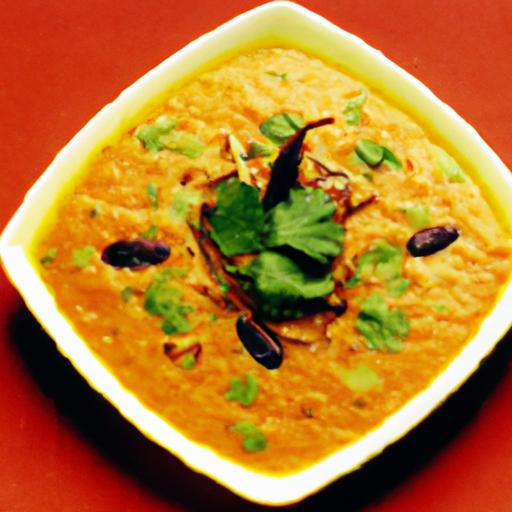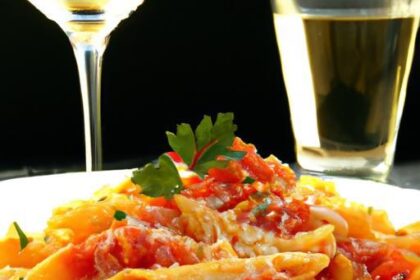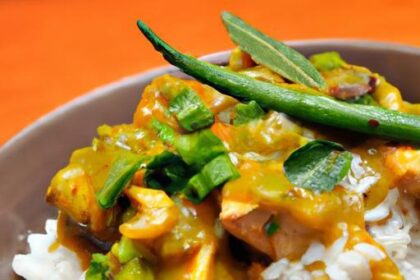

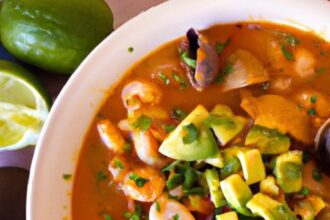

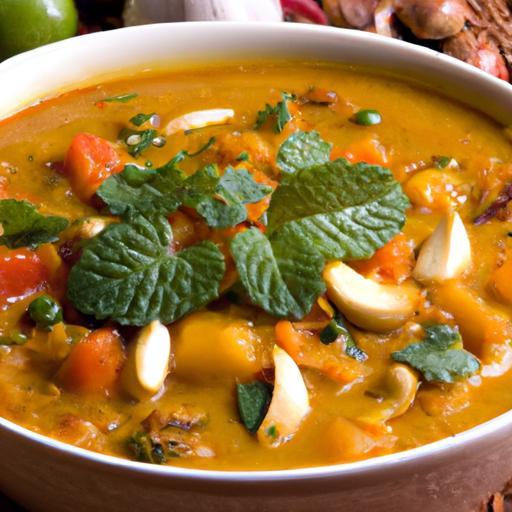
In the heart of countless kitchens across South Asia, a vibrant tapestry of flavors simmers gently in pots-inviting, comforting, and steeped in tradition. Dal curry, a humble yet profoundly nourishing dish, transcends mere sustenance to become a symbol of heritage and culinary artistry. “Dal Curry Delights: A Flavorful Journey into Tradition” embarks on an exploration of this timeless staple, revealing the rich history, diverse regional variations, and the alchemy of spices that transform simple lentils into soulful feasts. Join us as we savor the stories behind each spoonful, uncovering how dal curry continues to unite families and generations over bowls brimming with warmth and flavor.
Dal Curry Delights open a doorway into centuries of tradition where humble lentils transform into a soul-warming feast, richly infused with history and culture. Originating from the Indian subcontinent, this dish has been a staple comfort food, celebrated for its simplicity yet profound depth of flavor. My frist memory of dal curry was sitting by my grandmother’s kitchen hearth, the air thick with the fragrant symphony of roasted spices and simmering lentils, an experience that ignited my lifelong passion for exploring traditional recipes with a modern twist.
Prep and Cook Time
- Planning: 15 minutes
- Cooking: 40 minutes
- Total Time: 55 minutes
Yield
Serves 4 generous portions
Difficulty level
Medium – perfect for home cooks ready to explore authentic spice blending and layering flavors
Ingredients
- 1 cup split yellow moong dal, rinsed thoroughly and soaked for 20 minutes
- 3 cups water
- 2 tbsp ghee or neutral oil (such as sunflower or canola oil)
- 1 tsp cumin seeds
- 1 medium onion, finely chopped
- 2 medium tomatoes, pureed or finely chopped
- 4 cloves garlic, minced
- 1 inch fresh ginger, grated
- 2 green chilies, slit lengthwise (adjust to taste)
- 1 tsp turmeric powder
- 1 tsp coriander powder
- 1 tsp garam masala
- 1/2 tsp red chili powder (optional)
- Salt, to taste
- Fresh cilantro leaves (coriander), chopped for garnish
- 1 tbsp lemon juice (optional, for a bright finish)
Instructions
- Prepare the dal: Drain soaked lentils. In a large pot, combine dal and 3 cups water. Bring to a boil,then reduce heat and let simmer uncovered,skimming off foam occasionally. Cook untill lentils are soft and breaking apart, about 30-35 minutes.
- Create the spice base: Heat ghee in a heavy-bottomed skillet over medium heat. Add cumin seeds and sauté until they pop, releasing their nutty aroma (about 30 seconds).
- Sauté aromatics: Add chopped onions and cook until golden brown, approximately 7-8 minutes, stirring regularly to avoid burning.
- Add garlic, ginger, and green chilies: Stir continuously for 2 minutes until fragrant and softened.
- Incorporate tomatoes and dry spices: Mix in pureed tomatoes, turmeric, coriander, garam masala, and red chili powder. Cook until the oil starts separating at the edges, about 6-7 minutes, stirring occasionally.
- Combine dal and spice base: Pour the cooked dal into the skillet. Stir well to blend, add salt to taste, and adjust consistency with water if desired. Simmer for an additional 5-7 minutes, allowing the flavors to marry beautifully.
- Final touches: Turn off heat and stir in fresh lemon juice (if using). Garnish generously with chopped cilantro leaves for a burst of color and freshness.
Chef’s Notes and Tips for Success
- Choosing lentils: While yellow moong dal is classic for its smooth texture and sweet flavor, you can experiment with toor dal or masoor dal for slightly different profiles, adjusting cooking times accordingly.
- Balancing heat: Adjust green chilies and red chili powder based on your tolerance. For milder dal, remove seeds from chilies or omit the red chili powder entirely.
- Achieving perfect texture: Dal should be creamy yet slightly thick. If it’s too dense, add warm water and simmer till desired consistency is achieved.
- Make-ahead tip: Dal curry tastes even better the next day as spices deepen. Refrigerate in an airtight container up to 3 days, reheat gently adding water if needed.
- Garnish creativity: Top with a dollop of fresh yogurt or a drizzle of tempered mustard seeds for extra dimension.
Serving Suggestions
Serve this dal curry alongside steaming basmati rice or fluffy Indian-style flatbreads like roti or naan. A crisp cucumber raita or a tangy mango pickle brighten the plate beautifully. Garnish with freshly chopped cilantro and a wedge of lemon for that vibrant, inviting look. For a festive touch,a sprinkle of roasted cumin powder or freshly grated coconut can elevate the presentation and flavor.

| Nutrient | Per Serving |
|---|---|
| Calories | 220 kcal |
| Protein | 14 g |
| Carbohydrates | 30 g |
| Fat | 6 g |
Mastering Spice Blending: Elevate Your Dal Curry Delights
True mastery lies in the artful blending of spices that define the soul of dal curry delights. Begin with fresh, whole spices whenever possible, toasting them gently to unlock essential oils before grinding. The balance between warming turmeric, earthy coriander, and the nuanced garam masala creates a symphony on the palate. Each region crafts its own signature, from the tangy mustard seed tempering in Bengal to the spicy red chili kicks in Rajasthan, proving dal curry delights are as diverse as they are flavorful.
For more inspiration on perfecting Indian spice blends, check out our detailed Ultimate Guide to Indian Spices and explore scientific insights on spice benefits at NCBI.
Q&A
Q&A: Dal Curry Delights – A Flavorful Journey into Tradition
Q1: What makes dal curry such a beloved dish in Indian cuisine?
A1: Dal curry is the heart and soul of Indian cooking. It’s beloved not only for its comforting warmth but also for its versatility. made from lentils-a humble yet protein-rich ingredient-dal curry blends earthy flavors with aromatic spices, creating a nourishing dish that has been cherished across generations. Its adaptability means it can be simple everyday food or an elaborate feast centerpiece.
Q2: Which types of lentils are most commonly used in dal curry, and how do they differ?
A2: The most popular lentils include Toor dal (pigeon peas), Masoor dal (red lentils), Moong dal (yellow split gram), and Chana dal (split chickpeas). Each brings its own texture and flavor: Toor dal is hearty and slightly nutty, masoor dal cooks quickly and has a subtle sweetness, moong dal is smooth and light, and Chana dal offers a firm bite. Using different lentils can change the character of the curry, allowing for endless variations.
Q3: How do spices contribute to the unique flavor profile of dal curry?
A3: Spices are the magical architects of dal curry’s taste. Ingredients like cumin seeds, mustard seeds, turmeric, coriander, garam masala, and asafoetida combine to form layers of flavor-earthy, pungent, warm, and aromatic. The tempering, or “tadka,” where spices are briefly fried in hot oil or ghee before being mixed into the dal, unleashes their essential oils, infusing the curry with depth and complexity.
Q4: Can dal curry be adapted for different dietary preferences or regional tastes?
A4: Absolutely! Dal curry is remarkably adaptable.In South India,tamarind or kokum might be added for tanginess,while North Indian recipes might emphasize cream or tomatoes for richness. It’s naturally gluten-free and vegan-friendly when cooked with plant-based oils. You can also adjust the spice levels to suit mild or fiery palates, making dal curry accessible and appealing to diverse tastes.
Q5: What are some traditional ways to serve dal curry?
A5: Dal curry pairs beautifully with steamed basmati rice-a classic combination that’s both nourishing and satisfying. It’s also commonly enjoyed with flatbreads like roti,chapati,or naan. In some regions, dal is served alongside pickles, yogurt, and fresh salads, creating a well-rounded, colorful meal. A sprinkle of fresh cilantro or a squeeze of lemon brightens the dish, adding freshness to the comforting warmth.
Q6: How has the journey of dal curry reflected cultural and culinary traditions over time?
A6: Dal curry is more than just food-it’s a culinary narrative of community, sustenance, and tradition. Lentils have been a staple in Indian households for millennia, symbolizing simplicity and strength. Each region’s unique spices, lentil types, and cooking methods tell stories of trade, migration, and local agriculture, making dal curry a delicious reflection of India’s rich cultural mosaic.Q7: Are there any creative modern twists on traditional dal curry that food enthusiasts might enjoy?
A7: Definitely! Contemporary chefs are experimenting with fusion versions-like adding coconut milk for a creamy touch, tossing in roasted vegetables, or mixing different lentils for texture contrasts. Some even incorporate herbs like kale or spinach to boost nutrition. Yet, even with these innovations, the essence of dal curry-its wholesome, spiced lentil base-remains lovingly intact.
The Way Forward
as our flavorful journey into the world of dal curry comes to a close, we find ourselves not just savoring a dish, but embracing centuries of tradition, culture, and comforting warmth in every spoonful. Dal curry is more than a meal-it is a testament to the rich tapestry of flavors that have shaped countless kitchens across the globe. Whether you’re a seasoned cook or a curious food lover, exploring the diverse variations of dal invites you to connect with heritage and innovation alike. So next time you take that first steaming bite, remember: you’re partaking in a timeless party of flavor, nourishment, and community-one dal curry delight at a time.