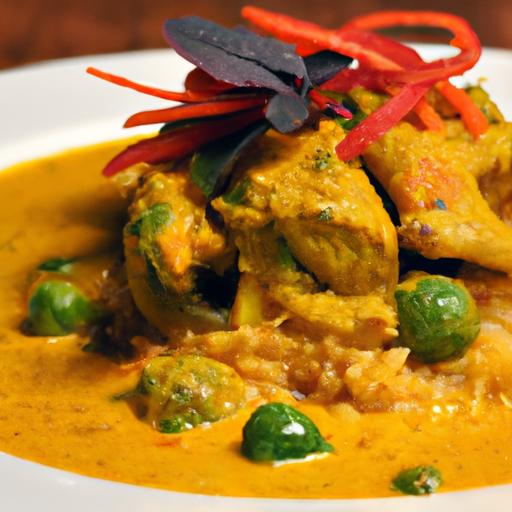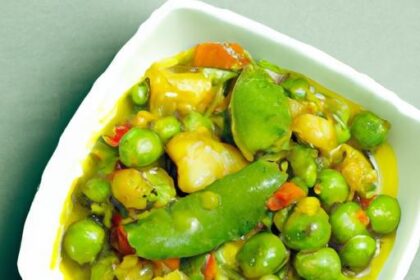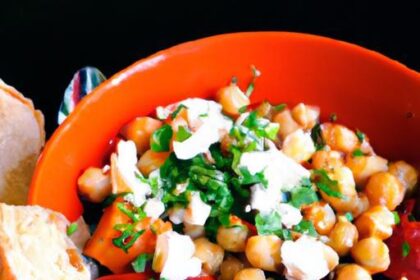
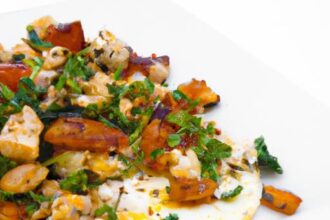


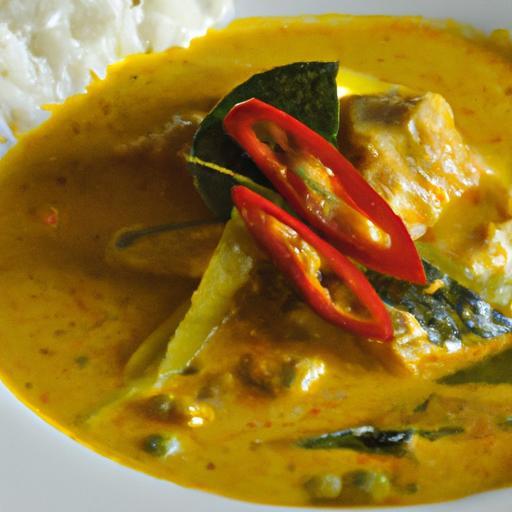
Golden-hued and bursting with flavor, yellow curry is much more than just a dish-it’s a vibrant tapestry woven from centuries of tradition, culture, and spice. Often celebrated as India’s edible treasure, yellow curry carries the warmth of turmeric, the aromatic whispers of cumin, and the subtle heat of chili, creating a symphony of tastes that dance on the palate. In this culinary journey, we delve into the origins, ingredients, and cultural significance of yellow curry, uncovering how this radiant blend has become a beloved staple in Indian kitchens and hearts alike. Join us as we explore the story behind India’s golden spice treasure and discover what makes yellow curry a timeless classic in the world of flavors.
Discovering yellow curry in Indian cuisine invites you into a realm of vibrant spices and centuries-old culinary storytelling. this golden-hued treasure, infused with turmeric’s earthy warmth and a complex blend of aromatic spices, captures the essence of India’s diverse regional kitchens. As you stir this dish, you’re not just cooking-you’re connecting with rituals and flavors cherished by generations.
Prep and Cook Time
- Preparation: 15 minutes
- Cooking: 40 minutes
- Total time: 55 minutes
Yield
Serves 4 hearty portions
Difficulty Level
Medium - Ideal for home cooks eager to explore conventional Indian spice blends
Key Ingredients and Flavor Profiles That Define Yellow Curry
At the heart of yellow curry is turmeric, which imparts its unmistakable golden color and earthy bitterness, balanced by the warmth of coriander and the floral tang of cumin. Mustard seeds add a crunchy pop, while fenugreek lends subtle sweetness. Fresh aromatics like garlic, ginger, and onion deepen the base, and a hint of chili powder awakens the palate with gentle heat. Coconut milk or yogurt adds creamy softness, ensuring each bite is luxuriously smooth yet infused with radiant spice layers.
Ingredients
- 2 tablespoons vegetable oil or mustard oil for authenticity
- 1 teaspoon mustard seeds
- 1 teaspoon cumin seeds
- 1 large onion, finely chopped
- 4 garlic cloves, minced
- 1 tablespoon fresh ginger, grated
- 2 teaspoons ground turmeric
- 1 teaspoon ground coriander
- ½ teaspoon ground fenugreek (optional but authentic)
- 1 teaspoon chili powder, adjust to taste
- 2 large tomatoes, chopped or 1/2 cup pureed
- 1 cup coconut milk or plain yogurt (dairy or plant-based)
- 500g chicken, potatoes, or paneer, cut into bite-sized pieces
- Salt to taste
- Fresh cilantro for garnish
- 1 cup water or stock to simmer
Instructions
- Heat the oil in a heavy-bottomed pan over medium heat. Add the mustard seeds and cumin seeds. When they begin to pop, immediately add the chopped onions.
- Sauté the onions until golden brown, about 7-8 minutes, stirring occasionally to prevent sticking.
- Add the minced garlic and grated ginger.Stir for 2 minutes until fragrant.
- Introduce the ground turmeric, coriander, fenugreek, and chili powder. cook the spices gently for 1-2 minutes, stirring continuously to avoid burning.
- Mix in the chopped or pureed tomatoes. Cook down until the oil starts to separate from the masala, about 5-7 minutes. This signals the formation of the curry base.
- Add your choice of protein or vegetables (chicken,potatoes,or paneer). Stir well to coat every piece with the spiced mixture.
- Pour in the coconut milk or yogurt and stir gently.
- Add water or stock to reach your desired consistency,then season with salt.
- Simmer the curry covered on low heat for 20-25 minutes, allowing the flavors to meld and ingredients to tenderize perfectly.
- Garnish with freshly chopped cilantro before serving.
Chef’s Notes
- For a richer curry, substitute coconut milk with full-fat yogurt, ensuring you whisk it well to prevent curdling.
- Looking for a vegan option? Use tofu or jackfruit instead of chicken or paneer and select plant-based yogurt.
- Adjust chilies carefully-if you prefer milder curries, omit chili powder or use mild paprika for color without heat.
- Make it ahead: Yellow curry flavors deepen overnight in the fridge; gently reheat with a splash of water to loosen before serving.
- Hunger hacks: Toast whole spices like mustard and cumin seeds briefly before grinding fresh for more potent aromas.
Serving suggestions
Yellow curry shines beautifully over steamed basmati rice or paired with soft, buttery naan bread. Garnish with a sprinkle of fresh cilantro and a wedge of lime to brighten every bite.For a balanced meal, serve alongside lightly sautéed greens such as spinach or mustard greens. As for beverages, a cold, tangy mango lassi complements the warm spices wonderfully, while a crisp cucumber raita can soothe moderate heat.

| Nutrient | Per Serving |
|---|---|
| Calories | 350 kcal |
| Protein | 28 g |
| Carbohydrates | 15 g |
| Fat | 18 g |
To explore more Indian spice blends and curry variations, visit our thorough guide on Indian spices and deepen your aromatic adventures.
Q&A
Q&A: Discovering Yellow Curry – India’s golden Spice Treasure
Q1: What exactly is Yellow Curry, and why is it called a “golden” spice treasure?
A1: Yellow Curry is a vibrant, aromatic blend of spices that imparts a warm, golden hue to dishes. Its signature bright yellow color primarily comes from turmeric, frequently enough called “India’s golden spice” for both its radiant color and remarkable health benefits. This luminous blend has been cherished in Indian kitchens for centuries, glowing like liquid sunshine on your plate.
Q2: What are the key ingredients that make up Yellow Curry’s unique flavor?
A2: At the heart of Yellow Curry lies turmeric, which brings earthiness and color. Complemented by cumin, coriander, mustard seeds, and sometiems fenugreek, these spices create a delicate balance of warmth, sweetness, and subtle bitterness. Ginger and garlic usually join the mix, lending freshness and depth, while mild chili adds just a whisper of heat.
Q3: How does Yellow Curry differ from other Indian curry varieties?
A3: Unlike the rich reds of Kashmiri or the deep browns of Rogan Josh, Yellow Curry shines with its light, golden tone and gentle spice profile. It’s less intense in heat but deeply layered in flavor, making it approachable for all palates and a perfect gateway to exploring Indian spices without overwhelming the senses.
Q4: Can Yellow Curry be found throughout all regions of India?
A4: While yellow-hued curries are enjoyed across india, they’re especially popular in northern and western regions. Each locale adds its own twist – some infuse the curry with coconut milk for creaminess, others sprinkle in fresh curry leaves or dry mango powder for tang.This regional diversity makes Yellow Curry a living tapestry of India’s culinary heritage.
Q5: What kinds of dishes pair beautifully with yellow Curry?
A5: Yellow Curry is remarkably versatile! It elevates vegetables like potatoes, cauliflower, and carrots, and harmonizes beautifully with legumes such as chickpeas and lentils. It also complements chicken and seafood excellently, though always maintaining a gentle flavor that accentuates rather than overpowers the main ingredient.
Q6: What makes turmeric, the star of Yellow Curry, so special beyond its color?
A6: Turmeric isn’t just a culinary hero; it’s revered in Ayurvedic medicine for its anti-inflammatory and antioxidant properties. This golden powder contributes not only to the curry’s appearance and flavor but also offers potential health benefits, making every spoonful a nourishing experience.
Q7: How can home cooks bring the magic of Yellow Curry into their own kitchens?
A7: Start with good-quality turmeric and freshly ground spices for the brightest flavor. Toasting whole spices before blending them releases their essential oils, enhancing aroma and taste. simmer yellow curry with fresh vegetables or tender protein, add coconut milk or yogurt for creaminess if desired, and serve with fragrant basmati rice or warm naan for an authentic touch.Q8: Is Yellow Curry suitable for those new to Indian cuisine?
A8: Absolutely! Its mild heat and bright, approachable flavors make Yellow Curry a friendly introduction to Indian spices. It’s an inviting dish that showcases the complexity and warmth of Indian cooking without overwhelming unfamiliar palates.
Q9: How has Yellow Curry influenced global cuisine?
A9: beyond India’s shores, Yellow Curry’s friendly flavor profile and striking color have inspired chefs worldwide. It’s found in fusion dishes, from vibrant vegetable bowls to comforting soups, proving that this golden treasure transcends borders and fills plates with sunshine and spice.
Q10: What is the cultural significance of Yellow Curry in Indian traditions?
A10: Yellow Curry is more than just food-it’s a symbol of warmth, health, and hospitality. Turmeric’s auspicious hue is associated with purity and prosperity in Indian culture, frequently enough playing a role in festivals and rituals.Sharing a meal with Yellow Curry is like sharing a piece of India’s rich history and vibrant spirit.
future Outlook
As the vibrant hues of yellow curry paint a picture of India’s rich culinary heritage, we uncover more than just a dish-we unveil a golden tapestry woven with history, culture, and the aromatic whispers of ancient spice routes. This radiant blend of turmeric, mustard seeds, and a chorus of warming spices invites us to savor not only its flavors but also the stories simmering beneath each spoonful. Whether enjoyed at a bustling street stall or recreated in your kitchen, yellow curry remains a timeless treasure-a captivating gateway into India’s golden spice legacy, waiting to be discovered one bite at a time.