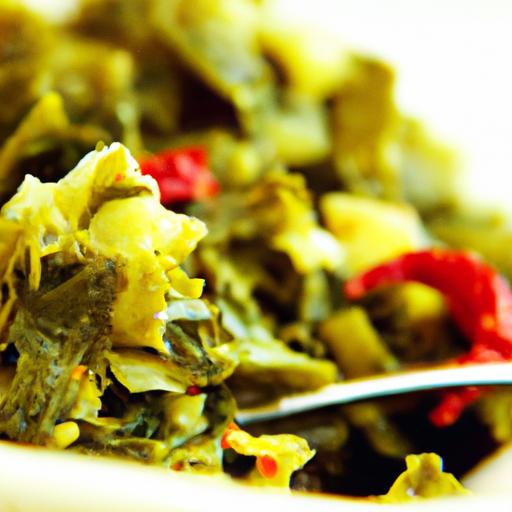

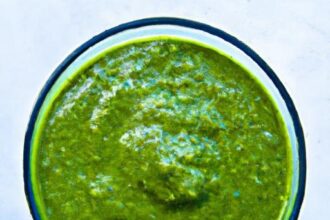


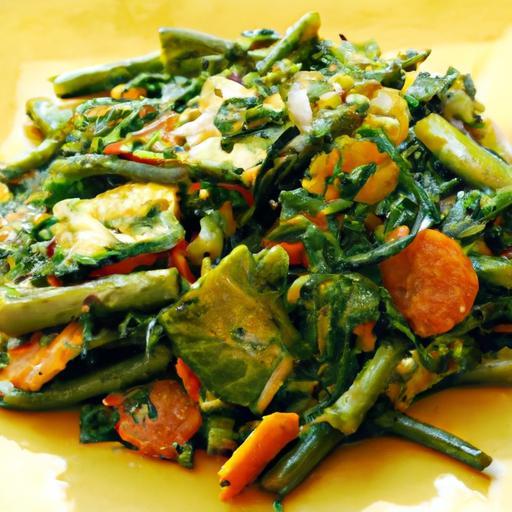
In the vibrant tapestry of natureS bounty,few ingredients embody freshness and nourishment quite like Ghiya Sabzi-commonly known as bottle gourd. Often overlooked, this humble green vegetable weaves its way from garden trellises to kitchen plates, carrying with it a legacy of health, flavor, and versatility.Whether simmered in spices or transformed into a delicate stew, Ghiya Sabzi offers more than just a meal; it delivers a story of green goodness, sustainability, and culinary tradition. Join us as we delve into the world of this unassuming gem, exploring how Ghiya Sabzi bridges the gap between garden freshness and wholesome dining.
Ghiya Sabzi, a beloved gem from South Asian kitchens, beautifully blends simplicity and nutrition into a vibrant dish that celebrates nature’s bounty. This humble squash, also known as bottle gourd, offers a mild flavor and delicate texture that adapts effortlessly to aromatic spices, making it a staple for health-conscious food lovers. From my childhood memories of watching fresh ghiya glisten under the morning sun at local markets to recreating this dish in my own kitchen, it’s always been a heartwarming journey of discovering green goodness in every bite.
Prep and Cook Time
- Preparation: 15 minutes
- Cooking: 25 minutes
- total: 40 minutes
Yield
Serves 4 generously as a side dish
Difficulty level
Easy – Perfect for both beginners and seasoned cooks looking to elevate everyday veggies
Ingredients
- 2 cups ghiya (bottle gourd), peeled and diced into 1-inch cubes
- 1 medium onion, finely chopped
- 2 medium ripe tomatoes, finely chopped
- 2 green chilies, slit lengthwise (optional)
- 1 teaspoon cumin seeds
- 1/2 teaspoon turmeric powder
- 1 teaspoon coriander powder
- 1/2 teaspoon garam masala
- 2 tablespoons mustard oil (or vegetable oil)
- Salt to taste
- Fresh coriander leaves, chopped for garnish
- 1/2 teaspoon grated ginger
- 1 teaspoon lemon juice (optional, for brightness)
Instructions
- Heat the oil in a heavy-bottomed pan over medium heat. Add the cumin seeds and let them sputter gently, releasing their earthy aroma.
- Add the chopped onions and sauté until they turn golden brown, approximately 7 minutes, stirring frequently enough to avoid burning.
- Mix in the ginger and green chilies, cooking for another 1-2 minutes to infuse the oil with their warmth.
- add the diced tomatoes and cook until they soften and blend into a luscious, thick sauce, about 5 minutes.
- sprinkle turmeric,coriander powder,and salt, stirring well to coat the tomato-onion mixture evenly.
- Toss in the cubed ghiya and give it a gentle mix, ensuring each piece is enveloped in the spiced base.
- Cover the pan with a lid and reduce heat to low. Let the ghiya cook slowly for 15-20 minutes or until tender, stirring occasionally to prevent sticking.
- Once the ghiya is soft and cooked through, sprinkle garam masala and stir gently for 1 minute to meld the flavors.
- Turn off the heat and finish with freshly chopped coriander leaves and a squeeze of lemon juice if desired, for a fresh zing.
Chef’s Tips for Success
- Select fresh ghiya that feels firm and heavy for its size, with smooth, blemish-free skin for optimal flavor and nutrition.
- To maximize health benefits, avoid overcooking. Ghiya’s delicate texture and water-rich content shine best when cooked gently to tender-crisp.
- Use mustard oil or a light vegetable oil to maintain the authentic aroma while ensuring a heart-healthy profile.
- For a richer taste, add a pinch of asafoetida (hing) with the cumin seeds at the beginning - it aids digestion and boosts flavor complexity.
- Make-ahead option: This sabzi reheats well, but store separately from rice or rotis to retain freshness.
Serving Suggestions
This vibrant ghiya Sabzi pairs exquisitely with warm jeera rice or soft whole wheat chapatis. For color and texture contrast,garnish with a few roasted cumin seeds or toasted peanuts. A simple side of cucumber raita enhances its cooling nature, balancing the subtle spices perfectly.

Nutritional Facts (Per Serving)
| Calories | Protein | Carbs | Fat |
|---|---|---|---|
| 95 kcal | 3 g | 15 g | 3 g |
Did you know that ghiya is packed with vitamins like C and B-complex,and minerals such as calcium and magnesium? For deeper insights into the nutritional profile of gourds and squash,check out this detailed resource from Healthline.
Q&A
Q&A: Ghiya Sabzi – Green Goodness from garden to Plate
Q1: What exactly is Ghiya Sabzi?
A1: Ghiya Sabzi is a vibrant and nutritious dish made primarily from bottle gourd, known locally as “ghiya.” This humble vegetable transforms into a flavorful and comforting sabzi (vegetable curry) that’s a staple in many Indian and Pakistani kitchens.It’s celebrated for its light, mildly sweet taste and its ability to absorb spices beautifully, making it a green gem from garden to plate.
Q2: Why is Ghiya often called the “green goodness”?
A2: Bottle gourd is packed with health benefits: it’s low in calories, high in water content, and a rich source of dietary fiber and essential vitamins like C and B-complex. When cooked into a sabzi, ghiya not only nourishes the body but also hydrates and refreshes it, particularly in warm seasons. This makes Ghiya Sabzi an embodiment of wholesome, green goodness.
Q3: How versatile is Ghiya Sabzi in cooking?
A3: Ghiya Sabzi is a chameleon in the kitchen! It pairs wonderfully with warming spices like cumin, turmeric, and coriander. Some cooks add a splash of tangy tomatoes or a pinch of asafoetida (hing) to elevate the flavors. Whether you prefer it light and mildly spiced or rich and creamy, Ghiya Sabzi adapts beautifully to different textures and regional palates.
Q4: Can Ghiya Sabzi be enjoyed beyond conventional recipes?
A4: Absolutely! While it shines best as a classic sabzi, innovative cooks have turned ghiya into soups, stuffed parathas, and even refreshing salads. Its gentle flavor makes it a perfect canvas for experimentation-think lemon zest, fresh herbs like mint or cilantro, and a sprinkle of roasted seeds for crunch.
Q5: When is the best time to harvest and cook ghiya?
A5: The best ghiya is young and tender, straight from the garden or market. When the skin is smooth and the fruit feels firm but not hard, you’re in for a delightfully soft and sweet sabzi. Overripe ghiya tends to be bitter and fibrous, so timing is key to savoring “green goodness” at its peak.
Q6: What are some tips for cooking the perfect Ghiya Sabzi?
A6: Start by peeling and chopping ghiya into uniform pieces for even cooking. Sautéing the spices in oil first helps release their aroma, creating a flavorful base. Add ghiya and cook gently until tender but not mushy-retaining a little bite preserves its texture and taste. A final sprinkle of fresh coriander leaves always adds a fragrant finish.
Q7: How does Ghiya Sabzi fit into a balanced diet?
A7: Ghiya Sabzi is a vegetable powerhouse with its low calorie count, high fiber content, and abundance of vitamins and antioxidants. It supports digestion, promotes hydration, and pairs well with whole grains and legumes, making it an excellent choice for a balanced, nutritious meal plan.
Q8: Can Ghiya Sabzi be enjoyed by people with dietary restrictions?
A8: Yes! Ghiya Sabzi is naturally vegan, gluten-free, and low-fat. It’s gentle on the stomach and suitable for most dietary needs, including diabetic and heart-healthy diets. By controlling the spices and oil, cooks can tailor the dish to fit individual preferences and health requirements.
Enjoying Ghiya Sabzi means savoring a dish that’s as good for the body as it is indeed for the soul – a true testament to the wonders of simple, garden-fresh ingredients thoughtfully cooked to perfection.
insights and Conclusions
As we peel back the layers of Ghiya Sabzi, this humble green vegetable reveals itself as more than just a kitchen staple-it’s a vibrant thread woven through our gardens, traditions, and plates. from its crisp texture to its subtle sweetness, Ghiya carries with it a story of nourishment and sustainability, inviting us to celebrate nature’s bounty with every bite. So next time you reach for this garden gem, remember you’re savoring not just a dish, but a vibrant symbol of green goodness that bridges earth and appetite in the most delicious way.