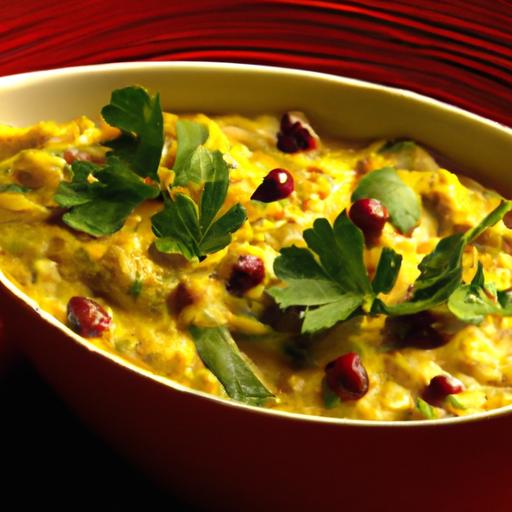
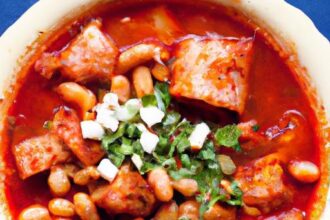

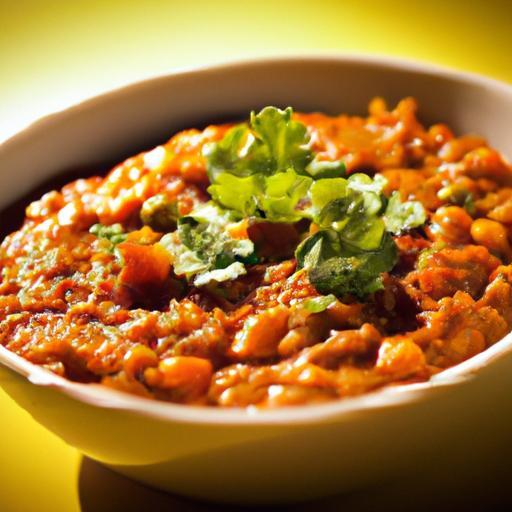
There’s a certain magic in the humble yellow dal fry-a dish that transforms simple lentils into a symphony of vibrant flavors and comforting warmth. More than just a staple on South Asian tables, yellow dal fry embodies centuries of culinary tradition, a golden bowl of nourishment that sings with spices and heart. In this article, we’ll unravel the secrets behind mastering the art of yellow dal fry, exploring the techniques and ingredients that elevate this everyday dish into an unforgettable feast. join us on a flavorful journey where every spoonful is a festivity of golden goodness.
Golden Goodness: Mastering the art of Yellow Dal Fry is a celebration of simple ingredients transformed into a hearty, nourishing dish that embodies comfort and tradition. This vibrant, aromatic lentil preparation has roots deep in Indian kitchens, where the fragrant spices and perfectly cooked yellow dal create an irresistible symphony of flavors and textures. Whether you’re a seasoned cook or embarking on your culinary journey, understanding the essence of this dish opens the door to mastering its balance of nourishment and taste.
Understanding the Sweet Simplicity and Nutritional Power of Yellow Dal
Yellow dal, primarily made from moong dal or yellow split peas, is a nutritional powerhouse packed with plant-based protein, dietary fiber, and essential minerals such as iron and potassium. This dish offers a gluten-free, low-fat, and highly digestible source of energy, perfect for vegetarians and health-conscious food lovers alike. The golden hue comes from either turmeric-infused lentils or naturally yellow varieties that brighten the plate and the palate.
Beyond nutrition, the lentils represent centuries of tradition, effortlessly adapting to regional spice palettes while maintaining their wholesome essence.Embracing yellow dal fry is embracing a dish that nurtures body and soul-perfect to have any day,any season.
Prep and Cook time
- Preparation: 15 minutes
- Cooking: 30 minutes
- Total Time: 45 minutes
Yield
Serves 4 hearty portions
Difficulty Level
easy – perfect for midweek dinners or weekend meal prep
Selecting the Perfect Ingredients
- 1 cup yellow moong dal (split yellow gram), rinsed well
- 3 cups water
- 1 medium onion, finely chopped
- 2 medium tomatoes, finely chopped
- 3 cloves garlic, minced
- 1-inch piece fresh ginger, grated
- 2 green chilies, slit (adjust to taste)
- 1 tsp cumin seeds
- 1/2 tsp mustard seeds
- 1/2 tsp turmeric powder
- 1 tsp red chili powder (optional, or to taste)
- 1 tsp coriander powder
- 2 tbsp vegetable oil or ghee
- Salt to taste
- Fresh coriander leaves, chopped (for garnish)
- 1 tsp garam masala (optional, for depth)
Step by Step Guide to Achieving the ideal Texture and Flavor Balance
- Prep the lentils: Rinse the yellow dal under cold water until the water runs clear. Soak for 20 minutes if you have time to speed up cooking.
- Cook the dal: In a medium pot, add the dal with 3 cups of water and turmeric powder. Bring to a boil, then reduce to a simmer.Skim off any foam that forms to keep the dal clear and vibrant. Cook until soft but not falling apart, about 20-25 minutes.
- Prepare the tadka (tempering): While the dal cooks, heat oil or ghee in a deep skillet over medium heat. Add the mustard seeds and cumin seeds. When they sputter and crackle, add finely chopped onions, sauté until golden, about 5 minutes.
- add aromatics: Stir in minced garlic, grated ginger, and green chilies. Sauté for 1-2 minutes until fragrant but not burnt.
- Incorporate tomatoes and spices: Add chopped tomatoes, red chili powder, and coriander powder. Cook until tomatoes soften and the oil begins to glisten on the surface, roughly 6-7 minutes, stirring often.
- Combine dal and tadka: Pour the cooked dal into the skillet with the tadka mixture. Stir well to blend flavors, adjusting consistency with water if necessary. Simmer gently for 5-7 minutes to marry the spices and dal textures seamlessly.
- Final touch: Sprinkle garam masala if using, and check seasoning carefully. A pinch of salt can make all the difference. Garnish generously with fresh coriander leaves to add a pop of green freshness.
Expert Tips for Serving and Elevating Your Yellow dal Fry Experience
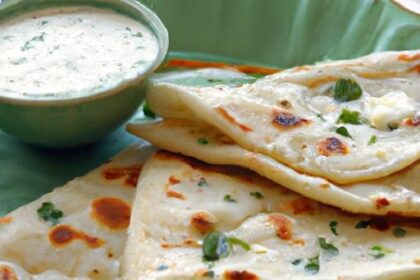
- Serve piping hot with steamed basmati rice or soft Indian rotis for a complete meal.
- Top with a dollop of homemade yogurt or a splash of fresh lemon juice for brightness.
- For a festive touch, garnish with thinly sliced ginger strips or finely chopped fresh green chilies.
- Complement the dal fry with a side of pickled vegetables or a crisp cucumber salad for contrast.
- To boost nutrition and texture,stir in finely chopped spinach or kale during the final simmer.
Chef’s Notes: Tips for Success
- Do not overcook the dal to mush; slight firmness gives the dish marvelous mouthfeel.
- Use fresh whole spices where possible for a more vibrant and complex aroma.
- Adjust water to get your ideal dal consistency-some prefer it soupier, others thicker.
- This dish stores well in the fridge for 2-3 days and tastes even better after flavors meld overnight.
- To make it vegan, simply use vegetable oil; ghee adds richness but is optional.
Nutrition at a Glance
| Nutrient | Per Serving |
|---|---|
| Calories | 230 kcal |
| Protein | 13 g |
| Carbohydrates | 30 g |
| Fat | 7 g |
| Fiber | 6 g |

For further inspiration on Indian dal varieties and customary accompaniments, explore our Ultimate Guide to Dal Recipes. For comprehensive nutritional details on dal, NutritionValue.org is an excellent resource.
Q&A
Q&A: Golden Goodness – Mastering the Art of Yellow Dal Fry
Q1: What makes Yellow Dal Fry a timeless favorite in Indian cuisine?
A1: Yellow Dal Fry charms with its velvety texture, vibrant golden hue, and comforting aroma.It’s a humble dish that brings together simple lentils and a symphony of spices, creating a hearty meal that’s both nutritious and soul-satisfying. its balance of creamy dal and fragrant tempering makes it a kitchen classic cherished across generations.
Q2: Which lentils are ideal for preparing authentic Yellow dal Fry?
A2: To capture that iconic golden colour and smooth consistency, split yellow moong dal or toor dal (pigeon peas) are ideal. These lentils cook down beautifully,absorbing spices and lending a creamy body that’s perfect for the fry technique.
Q3: What is the secret behind the rich, smoky flavor in a perfectly cooked Yellow Dal Fry?
A3: The magic lies in the tempering, known as ‘tadka.’ Hot oil infused with mustard seeds, cumin seeds, dried red chilies, and a pinch of asafoetida awakens the dal with layers of flavor. Adding minced garlic, ginger, and fresh green chilies during frying deepens the aroma, giving the dish its signature smoky warmth.
Q4: How crucial is the balance of spices, and which ones are essential for Yellow Dal Fry?
A4: Spice harmony is key. Turmeric lends the radiant yellow glow and subtle earthiness. Cumin seeds add warmth, while red chili powder injects mild heat. A pinch of garam masala at the end rounds out the flavor with a gentle complexity. The goal is a spice blend that enhances without overpowering the natural sweetness of the lentils.
Q5: Can Yellow Dal Fry be adapted for a rapid weekday meal without losing its authentic taste?
A5: Absolutely! Using a pressure cooker or an Instant Pot cuts down cooking time drastically while preserving creaminess. pre-mixed spice blends can definitely help streamline the tadka process,and finely chopped fresh herbs like coriander can be added last minute for freshness. This way,you get authentic flavors without hours in the kitchen.
Q6: What sides or accompaniments work best with Yellow Dal Fry to create a balanced meal?
A6: Yellow Dal Fry pairs beautifully with steamed basmati rice or warm Indian flatbreads like roti and naan. A simple cucumber raita or tangy pickled vegetables can add contrast and refresh the palate, while a crisp salad with lemon juice brightens the hearty meal.
Q7: How can one ensure the perfect consistency – not too watery,not too thick – when cooking Yellow Dal Fry?
A7: Achieving the perfect consistency is an art.Begin by cooking the lentils until they’re tender but still hold shape slightly. Gradually add hot water during frying to loosen the dal to a creamy, soup-like texture. Stir frequently enough and simmer gently; the dal should coat the back of a spoon,rich yet pourable.
Q8: What role does the finishing touch of fresh herbs play in elevating Yellow Dal Fry?
A8: A sprinkle of fresh coriander (cilantro) at the end adds a burst of color and a refreshing herbal note that brightens the deep, spiced profile of the dal. This final flourish transforms the dish from comforting to irresistible.
Q9: Are there regional variations of Yellow Dal Fry, and how do they differ?
A9: indeed, across India, Yellow Dal Fry boasts delightful regional twists. In the north, richer versions use ghee and a tempering of garlic and dry red chilies. Southern styles favor mustard seeds and curry leaves in tadka, sometimes with a hint of coconut. Each variation honors local ingredients and tastes,adding culinary diversity to this classic.
Q10: What nutritional benefits does Yellow Dal Fry offer that make it a wholesome addition to any diet?
A10: Yellow dal is a powerhouse of plant-based protein, rich in fiber, vitamins, and minerals like iron and potassium. Its easy digestibility combined with the antioxidants from spices makes it nourishing and energizing,perfect for vegetarians and anyone seeking a wholesome comfort food.
In Retrospect
As the final aroma of your yellow dal fry wafts through the kitchen, you realize that this humble dish is much more than just comfort food-it’s a celebration of tradition, technique, and taste. Mastering the art of yellow dal fry is an invitation to explore the vibrant tapestry of indian cooking, where each spice, each simmer, and each stir unlocks layers of golden goodness. Whether served alongside fragrant rice or warm naan, your perfectly crafted dal promises nourishment for the body and soul alike. So, embrace the simple magic in your pot and let this timeless classic become a shining star on your culinary journey.