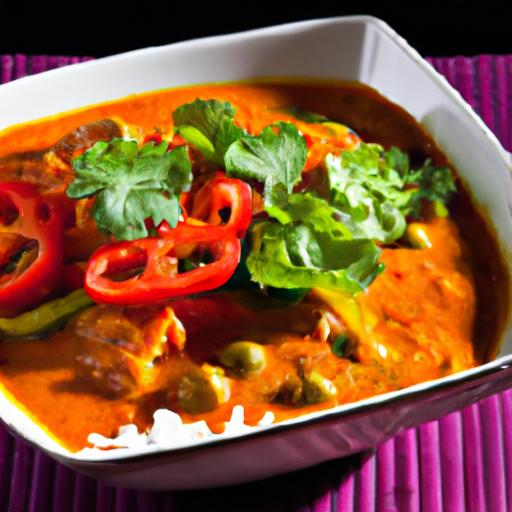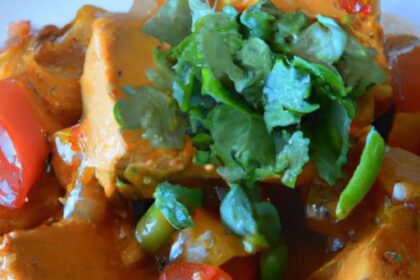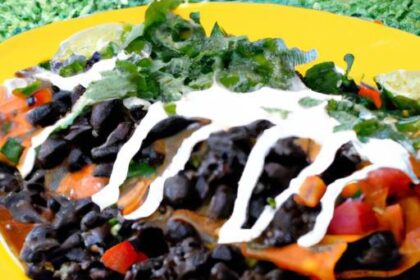

There’s a magic that happens when spices meet simmering pots-an alchemy that awakens the senses and tells stories of ancient lands. Hot masala curry is more than just a dish; it’s a vibrant tapestry of bold flavors, fiery heat, and aromatic richness that dances on your palate.In “Ignite Your Taste Buds: The Art of Hot Masala Curry,” we embark on a flavorful journey to unravel the secrets behind this beloved culinary masterpiece. From the masterful blend of spices to the delicate balance of heat and depth, discover how tradition and technique converge to create a curry that not only warms your body but enlivens your soul. Prepare to dive into a world where every bite tells a story, and every spice sparks a celebration.
Exploring the Rich History and Cultural Roots of Hot masala Curry
Hot Masala Curry has long been a celebrated cornerstone of Indian culinary heritage, known not only for its fiery kick but for its intricate tapestry of spices that tell stories of ancient trade routes, regional diversity, and centuries-old traditions. Originating in the Indian subcontinent, this vibrant dish captures the essence of community kitchens and festive gatherings, where families perfected their unique blend of aromatic spices. As a culinary content creator and food stylist, I vividly recall my first encounter with hot masala curry-how its robust flavors awakened my senses and inspired me to decode the artistry behind every simmer and sauté.
Mastering the perfect Balance of Spices for an Unforgettable Flavor
Achieving the perfect harmony of spices is the heart of crafting an unforgettable hot masala curry. The magic lies in balancing the heat of red chili powder and black pepper with the warmth of coriander, cumin seeds, and the subtle floral notes of cardamom and cloves. toasting whole spices before grinding them releases oils that deepen flavor, while layering ground spices at strategic moments ensures complexity without overwhelming the palate. Remember, each spice must complement rather than compete, allowing a bold but balanced flavor profile that invites repeated spoonfuls.
Prep and Cook Time
- Preparation: 20 minutes
- Cooking: 40 minutes
- Total Time: 1 hour
Yield
Serves 4 generous portions
Difficulty Level
Medium – Perfect for home cooks looking to explore authentic Indian flavors with confidence.
Ingredients
- 3 tbsp vegetable oil or ghee
- 1 large onion, finely chopped
- 4 cloves garlic, minced
- 2-inch piece fresh ginger, grated
- 2 medium tomatoes, chopped
- 2 tsp coriander seeds, toasted and ground
- 1 tsp cumin seeds, toasted
- 1 tsp turmeric powder
- 1½ tsp red chili powder (adjust to taste)
- 1 tsp garam masala
- ½ tsp cardamom powder
- ½ tsp clove powder
- 500g chicken thighs, cut into bite-sized pieces (or paneer for vegetarian option)
- 1 cup plain yogurt, whisked
- 1 cup water or chicken stock
- Salt to taste
- Fresh cilantro leaves, chopped for garnish
- 1 green chili, slit (optional, for extra heat)
Step-by-Step Guide to Crafting Authentic Hot Masala Curry at Home
- Prepare the spices: Toast coriander and cumin seeds in a dry pan over medium heat until fragrant, about 2 minutes. Grind coriander seeds finely with a mortar and pestle or spice grinder.
- Sauté aromatics: Heat oil in a heavy-bottomed pan over medium heat. Add cumin seeds and let them sizzle for 30 seconds.Add chopped onions and sauté until golden brown (approximately 8 minutes), stirring to avoid burning.
- Build the base: Add minced garlic and ginger; cook until aromatic, about 2 minutes. Stir in chopped tomatoes and cook until soft and oil begins to separate, about 7 minutes.
- Layer spices: Mix in ground coriander,turmeric,red chili powder,cardamom,and clove powders. Stir continuously for 1-2 minutes to toast the spices without burning.
- Incorporate protein: Add chicken pieces, cooking over medium-high heat until they start to brown, about 5-7 minutes. Be sure to coat them well in the spice and tomato mixture.
- Add yogurt: Lower the heat to medium-low and slowly stir in the whisked yogurt to avoid curdling. Cook for 3-4 minutes while stirring continuously until the curry thickens slightly.
- Simmer: Pour in water or chicken stock, add salt to taste and green chili if using. Bring the curry to a gentle simmer, cover, and cook for 20 minutes until chicken is tender and the flavors meld beautifully.
- Finish with garam masala and garnish: Sprinkle garam masala over the curry, stir gently, and allow it to rest for 5 minutes. Garnish generously with chopped cilantro for a fresh, vibrant touch.
Tips for Success
- Use fresh, high-quality spices for the richest flavor. Toasting whole spices before grinding enhances aroma and taste.
- For a vegetarian twist, substitute chicken with firm paneer or mixed vegetables like cauliflower and potatoes.
- adjust chili powder and green chili levels according to your heat tolerance to create your perfect hot masala curry.
- Cooking on medium-low heat during simmering helps tenderize protein without drying it out.
- Make ahead: the curry improves in flavor when refrigerated overnight, allowing the spices to meld deeply.
Pairing Hot Masala Curry with Complementary Sides and Beverages
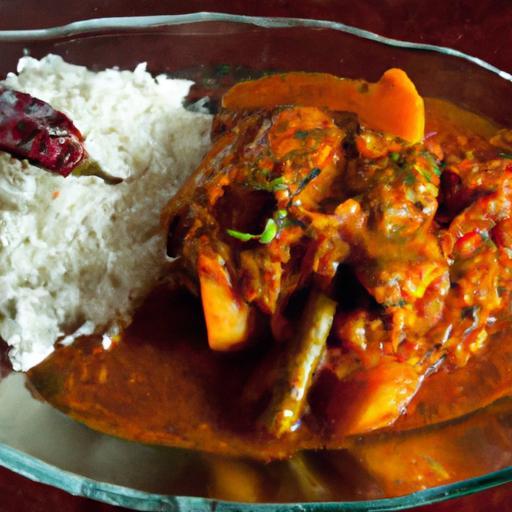
To elevate your dining experience, pair this hot masala curry with fragrant basmati rice or warm naan bread to soak up every bit of the rich sauce. A cooling cucumber raita or a crisp mango chutney provides contrast and balances the heat. For beverages, try a chilled conventional lassi to soothe your palate or a sparkling lemon soda with fresh mint to refresh your senses.
| Nutrient | Per Serving |
|---|---|
| Calories | 380 kcal |
| Protein | 32 g |
| Carbohydrates | 10 g |
| Fat | 22 g |

Explore more about traditional Indian spice blends and their regional variations in our Ultimate Guide to Indian Spices, and expand your culinary repertoire one flavorful dish at a time.
Q&A
Q&A: Ignite Your Taste Buds – The Art of Hot Masala Curry
Q1: What makes hot masala curry different from other curry varieties?
A1: Hot masala curry is a vibrant dance of bold spices and fiery heat that awakens every nerve ending. Unlike milder curries, it relies on a masterful blend of spices-think cumin, coriander, turmeric, and a generous hit of red chili-to create a complex, layered flavor. The “masala” is a carefully crafted spice mix, roasted and ground fresh, giving the curry its signature intensity and aromatic depth.
Q2: How significant is the roasting of spices in making an authentic hot masala curry?
A2: Roasting is the secret alchemy behind the magic.When spices are dry-roasted, their essential oils awaken, releasing a fragrant explosion of aroma and flavor. This step transforms ordinary spices into a nuanced, smoky symphony of taste that no pre-ground mix can rival. Skipping this step means missing out on the curry’s vibrant soul.
Q3: Can you explain the balance between heat and flavor in hot masala curry?
A3: The heat in hot masala curry is never just fiery for the sake of fire-it’s a delicate balance. Chili peppers bring the heat, but together with earthy turmeric, sweet cinnamon, and warm cardamom, they create harmony. The goal is not to scorch the palate but to ignite it, stimulating layers of flavor so each bite tells a story of spice and warmth.
Q4: What are some key ingredients that highlight the essence of hot masala curry?
A4: Beyond the star spices, ingredients like fresh garlic, ginger, and onion form the foundational trio that builds depth.Tomatoes provide acidity and body, while a hint of garam masala added towards the end lends a fragrant finish. Fresh cilantro and a squeeze of lemon balance the intensity, adding brightness to the fiery landscape.
Q5: How can home cooks adjust the heat level without compromising flavor?
A5: Adjusting heat is an art itself! start with milder chili varieties and gradually increase according to your palate. Using whole dried red chilies during cooking infuses warmth without overwhelming. Removing seeds can tame the burn. Cooling elements like yogurt or coconut milk can soften the heat while enhancing creaminess, allowing flavor layers to shine through.
Q6: Are there vegetarian options that shine in hot masala curry dishes?
A6: Absolutely! Hot masala curry loves vegetables and legumes. Potatoes, cauliflower, spinach, and chickpeas soak up the spice blend brilliantly. Paneer,the fresh Indian cheese,is another fantastic canvas,offering a mild,creamy contrast to the heat. These options showcase how the masala elevates simple ingredients into soulful meals.Q7: What’s a simple tip for beginners to start mastering hot masala curry?
A7: Patience is key. Take time to roast spices slowly, sauté onions until golden, and layer flavors thoughtfully. Don’t rush adding spices; sprinkle and taste as you go. A small batch experiment with spice quantities helps you discover a personalized perfect heat. Remember, curiosity and slow cooking unlock the true artistry of masala curry.
Q8: How does the art of hot masala curry reflect the culture it comes from?
A8: Hot masala curry embodies the rich tapestry of Indian culinary heritage-each spice telling tales of trade routes, regional flavors, and family traditions. It’s not merely a recipe but an expression of warmth, celebration, and a philosophy that food should be full of life. The boldness of the heat mirrors the zest and resilience found in the culture itself.
In Conclusion
As the vibrant spices settle and the rich aromas linger, hot masala curry reveals itself not just as a dish, but as a celebration of flavor and tradition. Whether you’re a seasoned spice lover or a curious culinary explorer, mastering the art of hot masala curry opens a gateway to bold tastes and timeless heritage.So next time you crave a meal that ignites your senses and warms your soul, remember-the true magic lies in the harmony of spices, the patience of preparation, and the joy of sharing every flavorful bite. Embrace the heat, savor the craft, and let your taste buds embark on an unforgettable journey.