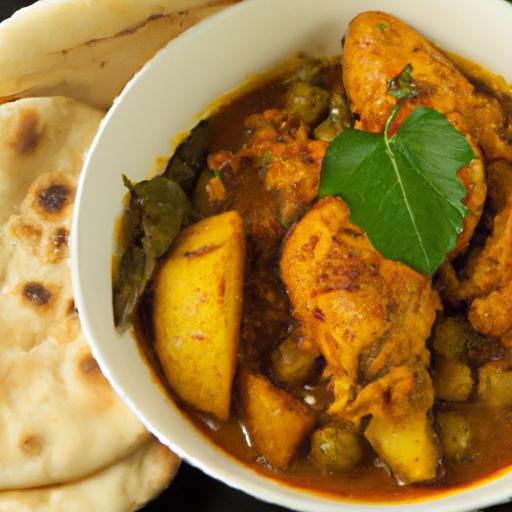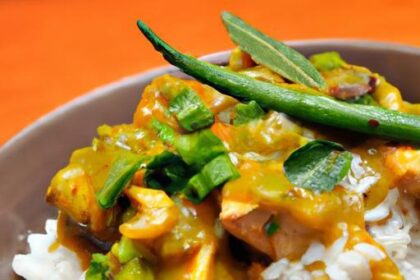



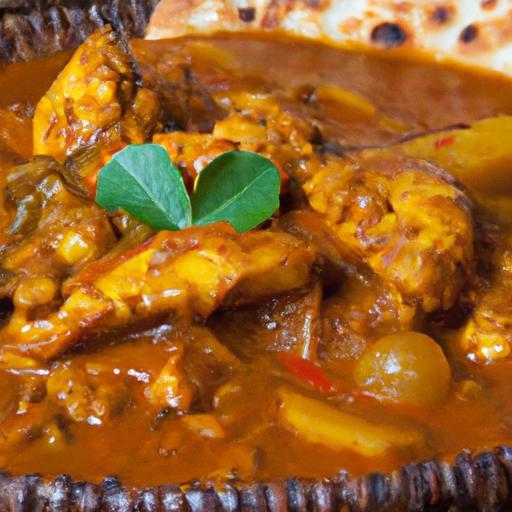
Nestled along teh sun-kissed shores of India’s southwestern coast lies a culinary treasure that captures the essence of Malabar’s rich heritage and vibrant flavors: Malabar Chicken Curry paired with flaky, soft Parotta. This coastal delight is more than just a meal-it’s a symphony of spices,coconut-infused gravy,and tender chicken that tells the story of a region where tradition meets the sea breeze. Whether you’re a seasoned food lover or an adventurous home cook, diving into this fragrant dish promises a journey through Malabar’s kitchens, where every bite echoes generations of coastal warmth and hospitality. Join us as we explore the history, ingredients, and cooking magic behind this beloved classic.
Origins and Aromatics of Malabar Chicken Curry
Malabar Chicken Curry with Parotta is a beloved coastal specialty hailing from the lush Malabar Coast of Kerala, India. This dish captivates with its vibrant blend of spices and the rich, creamy coconut gravy that stands as a testament to Kerala’s abundant use of coconut in daily cooking. Growing up near the Arabian Sea, I remember the intoxicating aroma wafting from open-air kitchens – a fragrant mix of freshly ground spices, curry leaves, and the sweet, nutty scent of coconut milk simmering gently with tender chicken.
The essence of this curry lies in its spice blend – warm, earthy, and deeply aromatic – combining native spices like black pepper and fennel seeds with a subtle heat from red chilies. This harmony produces a layered flavor profile that’s both bold and comforting, distinguishing Malabar Chicken Curry from other regional curries.
Mastering the Perfect Blend of Spices for Authentic flavor
Crafting the authentic Malabar Chicken Curry requires attention to balancing potent spices to unlock the dish’s soulful depths.At its core, the spice combination features:
- Black peppercorns: Kerala is famously called the “Land of Black Pepper,” and its pungent spice provides a warm, subtle heat.
- Fennel seeds: These impart a sweet, licorice-like sweetness adding brightness to the gravy.
- Coriander seeds & cumin: Earthy and slightly citrusy notes that form the backbone of flavor.
- Dried red chilies: Ground carefully to control the chili’s heat without overpowering the dish.
- Curry leaves: Fresh and aromatic,these leaves release an unmistakable aroma when tempered in hot oil.
Grinding these spices fresh before cooking brings out their fullest flavor. Toasting whole seeds in a dry pan awakens their essential oils, resulting in a warm, nutty sweetness that elevates the curry’s aroma, setting the stage for tender chicken to soak in those flavors.
Step-by-Step Guide to Cooking Tender Chicken in Coconut Gravy
Prep and Cook Time
- Preparation: 20 minutes
- Cooking: 45 minutes
- Total: 1 hour 5 minutes
Yield
- Serves 4 hearty portions
Difficulty Level
- Medium – ideal for home cooks ready to explore authentic Indian coastal cuisine
Ingredients
- 1 kg chicken, cut into medium pieces, skin-on or off as preferred
- 2 tbsp coconut oil (for authentic flavor)
- 1 large onion, finely sliced
- 2 tsp ginger-garlic paste
- 1 tsp black peppercorns
- 1 tsp fennel seeds
- 1 tsp coriander seeds
- 1/2 tsp cumin seeds
- 4 dried red chilies, soaked and ground
- 10 fresh curry leaves
- 2 large tomatoes, pureed
- 400 ml thick coconut milk
- 1 cup water (adjust as needed)
- 1/2 tsp turmeric powder
- 1 tsp red chili powder
- Salt to taste
- Fresh coriander leaves, chopped, for garnish
Instructions
- Toast and grind spices: In a dry skillet over medium heat, toast the black peppercorns, fennel seeds, coriander seeds, cumin seeds, and dried red chilies until fragrant and lightly browned – about 2-3 minutes.Let cool, then grind into a fine powder with a spice grinder or mortar and pestle.
- Heat coconut oil: Warm the coconut oil in a heavy-bottomed pan over medium heat. Add curry leaves and sliced onions. Sauté until onions turn golden brown, about 8-10 minutes, stirring to avoid burning.
- Add ginger-garlic paste: Stir in the ginger-garlic paste, cooking for 2 minutes until raw smell dissipates.
- Incorporate spices and tomatoes: Add turmeric powder, red chili powder, ground spice mix, and salt. Mix well and cook for 2 minutes. Then, add the pureed tomatoes and simmer until oil starts to separate from the masala, around 5-7 minutes.
- Add chicken pieces: Toss the chicken in the masala mix, stirring to coat each piece fully. Sear the chicken for 5 minutes to lock in flavors.
- Pour coconut milk and water: Gently pour in the coconut milk and cup of water. Bring to a simmer, cover with a lid, and cook on low heat for 30 minutes or until chicken is tender and cooked through. Stir occasionally, adjusting water as needed for preferred gravy consistency.
- Final simmer and garnish: Remove lid; cook uncovered for 5 minutes to thicken the gravy. Adjust salt if necessary. Garnish the curry with fresh chopped coriander leaves for a burst of color and freshness.
Pairing Parotta with Malabar Chicken Curry for an Unforgettable Meal
Nothing complements this rich Malabar chicken Curry better than soft,flaky parottas – the layered,flaky flatbreads from South India. Their buttery layers and slight chewiness soak up the coconut-infused gravy beautifully, creating an irresistible harmony between bread and curry. Serve hot parottas alongside a generous ladle of this curry, a simple cucumber raita, and a wedge of lime to balance the richness with burst of acidity.
Tips for Success
- Fresh spices matter: Using freshly ground spices makes a world of difference in aroma and depth. Grind only what you need just before cooking.
- Control the chili heat: Adjust the quantity of dried chilies and red chili powder based on yoru preference to keep the curry warm, not fiery.
- Coconut milk tips: For best results, use thick, fresh coconut milk or a high-quality canned version. Shake the can before opening to mix the cream and water evenly.
- Cooking chicken: Skin-on chicken helps keep the meat juicier, but feel free to remove if you prefer leaner cuts.
- Make ahead: This curry tastes even better the next day as flavors deepen. Store refrigerated and gently reheat.
Serving Suggestions
- Serve hot with freshly made parotta or soft steamed rice for a classic Kerala meal.
- Garnish with finely chopped coriander and a few fresh curry leaves for aroma and visual appeal.
- Accompany with cooling cucumber raita or simple salad to balance spice and richness.
- offer lime wedges on the side for an extra zing.
| Nutrient | Per Serving |
|---|---|
| Calories | 420 kcal |
| Protein | 35 g |
| Carbohydrates | 8 g |
| Fat | 28 g |
explore more authentic Kerala recipes here or check out our Kerala Parotta recipe for perfect pairing techniques.

Q&A
Q&A: Malabar Chicken Curry with parotta – A Flavorful Coastal Delight
Q1: What makes Malabar Chicken Curry unique compared to other Indian chicken curries?
A1: Malabar Chicken Curry hails from the Malabar Coast of Kerala, known for its rich use of coconut milk and a harmonious blend of spices like fennel, cinnamon, and curry leaves. Unlike many North Indian curries that rely on tomato-based gravies, this curry boasts a silky, fragrant coconut base that perfectly balances heat and creaminess, delivering an authentic coastal flavor.
Q2: Why is parotta traditionally served with Malabar chicken Curry?
A2: Parotta, a flaky, layered flatbread, complements the curry’s creamy texture beautifully. Originating from South India, its slightly chewy yet tender layers are perfect for scooping up the luscious curry. The combination creates a delightful textural contrast-soft curry sauce against the tender yet resilient bread-that elevates every bite.
Q3: What key ingredients contribute to the distinct aroma of Malabar Chicken Curry?
A3: The distinct aroma comes from the marriage of fresh curry leaves, mustard seeds, and whole spices such as fennel seeds, cinnamon sticks, and cloves, alongside grated coconut or coconut milk. The curry’s foundation of freshly ground spices, including black pepper and coriander, infuses the dish with its signature fragrant and warming scent.
Q4: Can malabar Chicken Curry be made using less oil without compromising flavor?
A4: Absolutely! While traditional recipes use a generous amount of oil or ghee to bloom spices and deepen flavor,modern adaptations can reduce oil by opting for non-stick cookware and carefully toasting spices in small quantities. Coconut milk also adds richness, helping maintain a luxurious texture without needing excess oil.
Q5: What tips can home cooks use to master the perfect parotta at home?
A5: The key to perfect parotta lies in the dough’s elasticity and the layering technique. Use all-purpose flour with a pinch of oil for softness, knead thoroughly to develop gluten, and rest the dough to relax. When rolling, apply a thin layer of oil and fold repeatedly to create flaky layers. Cooking on a hot griddle with a smidgen of oil ensures a golden, crisp finish.
Q6: Are there vegetarian versions inspired by Malabar Chicken Curry?
A6: Yes! Vegetarians can enjoy a similar flavor profile by substituting chicken with hearty vegetables like jackfruit, eggplant, or mushrooms. The same spice blend and coconut milk base bring that signature coastal taste to the curry, making it just as satisfying and flavorful.
Q7: How does Malabar cuisine reflect the history and culture of the Kerala coast?
A7: Malabar cuisine is a vibrant reflection of Kerala’s ancient trade ties and cultural mosaic. The generous use of spices like black pepper and cardamom speaks to its past as a pivotal spice trade hub. Coconut, a coastal staple, features prominently, highlighting the region’s natural abundance. this cuisine marries Arab, Portuguese, and local influences, making dishes like Malabar Chicken Curry a flavorful testament to centuries of culinary exchange.
Q8: What are some ideal accompaniments to serve alongside Malabar Chicken Curry and parotta?
A8: To round out the meal, tangy pickles, cooling cucumber raita, or a simple salad with fresh onions, lemon, and green chilies offer wonderful contrasts. A bowl of mild dal or spiced vegetable stir-fries can also add variety, balancing the rich curry and flaky parotta with brightness and texture.
Final Thoughts
As the rich, aromatic spices of Malabar Chicken Curry meld with the soft, flaky layers of parotta, what emerges is more than just a meal-it’s a celebration of Kerala’s coastal heritage on your plate. This flavorful duet not only satisfies the palate but also tells a story of tradition, culture, and the timeless art of indian cooking. Whether you’re a seasoned foodie or an adventurous home cook, bringing this coastal delight to your table promises a delicious journey through the malabar coast. So, next time hunger calls, let this vibrant curry and its perfect companion, parotta, transport you to sun-kissed shores and spice-laden breezes-one unforgettable bite at a time.