

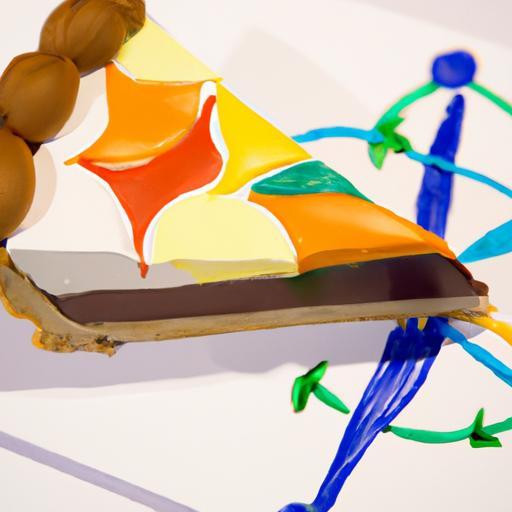
In a world where dietary needs and creative expression beautifully intertwine, mastering the art of gluten-free cake decorating opens up a flavorful realm of possibilities. Whether you’re a seasoned baker or an enthusiastic beginner, crafting stunning, mouthwatering gluten-free cakes requires more than just substituting ingredients-it’s about embracing innovative techniques and thoughtful ideas that ensure both flavor and flair shine through. Join us as we dive into expert tips and inspiring ideas that will transform your gluten-free cake decorating from a simple task into an art form, delighting taste buds and eyes alike.
Master the Art of Gluten-Free Cake Decorating: Tips & Ideas
master the Art of Gluten-Free Cake decorating: Tips & Ideas invites you on a delicious journey that transforms traditional baking frustrations into vibrant, flawless creations. Gluten-free cakes have long carried a misconception of crumbly textures and dull frostings, but with the right ingredients and techniques, your desserts will dazzle both in taste and presentation. Inspired by countless kitchen experiments and the joy of sharing truly inclusive sweets, this guide offers everything you need to elevate your gluten-free cake game with confidence and creativity.
Prep and Cook time
- Preparation Time: 25 minutes
- Cook Time: 30 minutes
- Cooling Time: 1 hour
Yield
Serves 10-12 slices, perfect for festive celebrations or intimate gatherings.
Difficulty Level
Medium – ideal for bakers familiar with gluten-free basics but eager to refine their crafting technique.
Ingredients
- 1 ½ cups gluten-free all-purpose flour blend (make sure it contains xanthan gum for optimal structure)
- ¾ cup almond flour (adds moisture and light nuttiness)
- 1 ¼ cups granulated sugar
- 1 tsp baking powder (gluten-free certified)
- ½ tsp baking soda
- ½ tsp fine sea salt
- ¾ cup full-fat coconut milk (shake well before measuring)
- 2 large eggs, room temperature
- ½ cup melted unsalted butter or neutral oil (like avocado oil)
- 1 tsp pure vanilla extract
- 1 tbsp apple cider vinegar (helps with rise and tenderness)
Instructions
- Preheat your oven to 350°F (175°C). Grease two 8-inch round cake pans and line the bottoms with parchment paper for easy release.
- In a large bowl, sift together the gluten-free flour blend, almond flour, baking powder, baking soda, and sea salt. Sifting helps aerate the mix, preventing lumps and dense texture.
- In a separate bowl, whisk the eggs and sugar for 2-3 minutes until pale and thick. This aeration is key to tender crumb development when gluten is absent.
- Slowly add coconut milk,melted butter,vanilla extract,and apple cider vinegar to the egg-sugar mixture. Whisk until combined, ensuring the fat is well incorporated for a lush moist crumb.
- Fold the wet ingredients into the dry ingredients gently but thoroughly using a spatula. Overmixing can cause toughness in gluten-free cakes, so mix just until no visible flour remains.
- Pour the batter evenly into the prepared pans. Tap the pans lightly on the counter to release any trapped air bubbles for an even bake.
- Bake for 28-32 minutes or until a toothpick inserted in the center comes out clean. Remember, gluten-free cakes often bake differently, so test early and adjust time accordingly.
- Let the cakes cool in the pans for 10 minutes, then invert onto wire racks to cool completely before frosting.
Techniques to Achieve Smooth and Vibrant Gluten-Free Frosting
Creating a velvety, vibrant frosting that complements your gluten-free masterpiece requires precision and flair.Begin with room temperature butter to avoid lumps. Use powdered sugar sifted twice to prevent gritty texture. For color, opt for natural gel food colorings-these won’t thin the frosting like liquid dyes.When whipping, alternate speeds: start slow to incorporate sugar gradually, then whip on high for creaminess.A splash of citrus juice or cream can brighten flavor and texture without risking separation.
Creative Designs and Theme Ideas Tailored for Gluten-Free Cakes
Design with imagination: embrace rustic charm with textured buttercream “strokes” enhanced by edible flowers or fruit sprigs for natural elegance. For celebrations, use stencils to dust cocoa or powdered sugar patterns, perfect for those avoiding fondant. For a vibrant pop, glaze your cake with a mirror glaze made from gelatin substitutes like agar-agar. Seasonal themes shine with colored sprinkles or handmade gluten-free sugar decorations-think autumn leaves or spring blossoms.Remember, the gluten-free base invites every decorating style without compromise.
Troubleshooting common Challenges in Gluten-Free Cake Decorating
Gluten-free cakes can sometimes be fragile, causing cracking or crumbling during decoration. To combat this, always allow full cooling and stabilization time before frosting. If you notice dryness causing frosting issues, brush layers with simple syrup infused with vanilla or citrus before assembling. For frosting that isn’t smooth or vibrant,check your fat temperature and sugar quality. Should your cake layers slump,consider using dowels or cake boards for structural support when stacking intricate designs. Taking these preventive measures transforms potential pitfalls into flawless success.
Chef’s Notes & Tips for Success
- Ingredient Quality: Choose a high-quality gluten-free flour blend with xanthan gum already included to ensure the perfect crumb and rise.
- Make-Ahead: Bake the cake layers a day ahead and wrap them tightly in plastic wrap. This allows the flavors to meld and the layers to firm up,making decorating easier.
- Egg Substitutes: If vegan alternatives are needed, replace eggs with flax eggs (1 tbsp flaxseed meal + 3 tbsp water per egg), but note the texture will be slightly denser.
- Storage: Store decorated cakes in a chilled surroundings but bring them to room temperature 30 minutes before serving for the best flavor.
- Variations: Add natural flavor boosters like zests, spices, or cocoa powder to customize your cake, aligning with your decorating theme.
Serving Suggestions
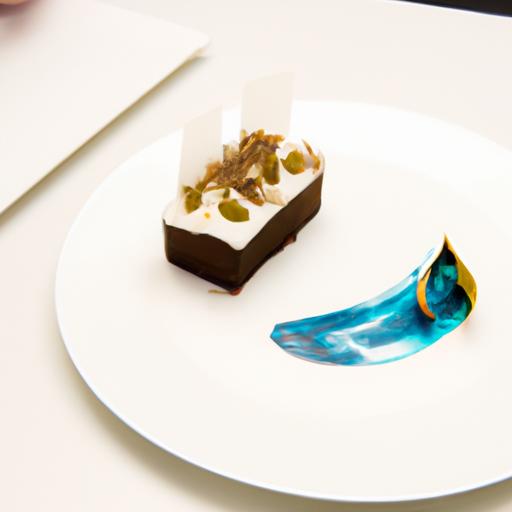
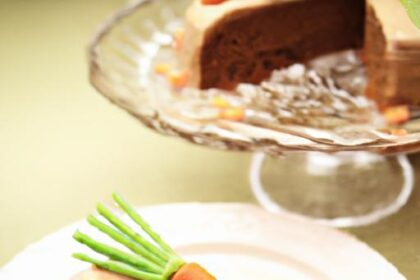
Enhance your gluten-free cake’s appeal by pairing it with fresh berries or a drizzle of passion fruit coulis. Use edible gold leaf or a scatter of toasted nuts for sophisticated flair. Serve on vintage cake stands or minimalistic ceramic platters to complement rustic or modern designs, respectively. A side of lightly whipped coconut cream offers a dairy-free pairing that elevates every bite. The visual and flavor balance between the cake and garnish ensures a memorable dessert experience.

| Nutrient | Per Slice |
|---|---|
| Calories | 280 kcal |
| Protein | 5 g |
| Carbohydrates | 35 g |
| Fat | 13 g |
For more detailed gluten-free baking tips, explore our Gluten-Free Baking Basics internal guide. For scientific insights on gluten-free flour blends, visit the celiac Disease Foundation’s Recipe Section.
Q&A
Q&A: Master the Art of Gluten-Free Cake Decorating: Tips & Ideas
Q1: What makes gluten-free cake decorating different from traditional cake decorating?
A1: Gluten-free cake decorating starts with the foundation – the cake itself! Gluten-free cakes frequently enough have a different texture and moisture content compared to wheat-based cakes, which can affect how they hold up under fondant or heavy frosting. Understanding these subtle differences helps decorators choose the right recipes, crumb coatings, and structural supports to create stunning, stable designs.
Q2: How can I ensure my gluten-free cake layers are sturdy enough for decorating?
A2: To build a sturdy gluten-free cake, opt for recipes that incorporate ingredients like almond flour, coconut flour, or a well-balanced gluten-free flour blend. Adding extra eggs or xanthan gum can improve elasticity and binding. Also, chilling your cake layers before decorating helps reduce crumbling and makes handling easier during assembly.
Q3: Are there particular frostings that work better with gluten-free cakes?
A3: Absolutely! Buttercream, cream cheese frosting, and Swiss meringue buttercream all pair beautifully with gluten-free cakes. These frostings have smooth textures and good stability, which makes them ideal for crumb coating and supporting decorations.Just ensure all ingredients are certified gluten-free to maintain the purity of your creation.
Q4: What creative decorating ideas can enhance a gluten-free cake?
A4: Think beyond traditional fondant! Try edible flowers, natural fruit purees, or colorful piped designs using vibrant buttercream. Decorations like fresh berries, toasted nuts, or even textured patterns with stencils can elevate your cake’s appearance while adding visual and flavor interest without relying on gluten-containing elements.
Q5: How do I handle fondant on gluten-free cakes that might be more delicate?
A5: When working with gluten-free cakes, a thin but sturdy crumb coat is your best friend. it helps seal the cake and creates a smooth surface that supports fondant. Applying fondant gently and avoiding excessive stretching reduces the risk of cracking. If the cake is very moist, consider inserting thin cake boards or dowels for extra support beneath heavy decorations.
Q6: Can I bake and decorate gluten-free cakes ahead of time?
A6: Yes! Gluten-free cakes frequently enough benefit from a bit of resting time, as they tend to firm up after baking. Bake your layers a day ahead, wrap them well, and refrigerate. Decorate the next day to save time and improve the cake’s handling. For intricate decorations, applying them close to the event helps preserve their fresh look.
Q7: What are some common pitfalls to avoid when decorating gluten-free cakes?
A7: Avoid using overly wet fillings or frostings that might cause gluten-free cakes to become soggy. Also, be gentle when leveling layers as gluten-free crumb can be more fragile. Lastly, always double-check your ingredient labels to ensure everything, from extracts to decorating gels, is free from gluten contamination.
Q8: How can I add flair to gluten-free cakes for special occasions?
A8: Embrace seasonal themes with natural decorations like edible petals, spun sugar, or colorful frosting accents. Use piping techniques such as rosettes, shell borders, or intricate lace patterns that add elegance without extra bulk. Incorporate textures by combining smooth finishes with crunchy toppings like toasted coconut or chopped nuts (gluten-free, of course) to dazzle guests visually and texturally.
Mastering gluten-free cake decorating means blending culinary know-how with creative flair-baking deliciously safe treats that look as stunning as they taste!
Closing Remarks
As you embark on your gluten-free cake decorating adventure, remember that creativity and confidence are your sweetest ingredients. With the tips and ideas shared, you’re now equipped to transform simple, safe cakes into stunning edible masterpieces that everyone can enjoy. Whether it’s a delicate swirl of frosting or a vibrant cascade of decorations, mastering this art means embracing both the challenge and joy of gluten-free baking. So go ahead-let your imagination run wild,and watch your cakes become dazzling celebrations of flavor and design,proving that gluten-free can be just as stunning and delicious as any other. your next masterpiece awaits!