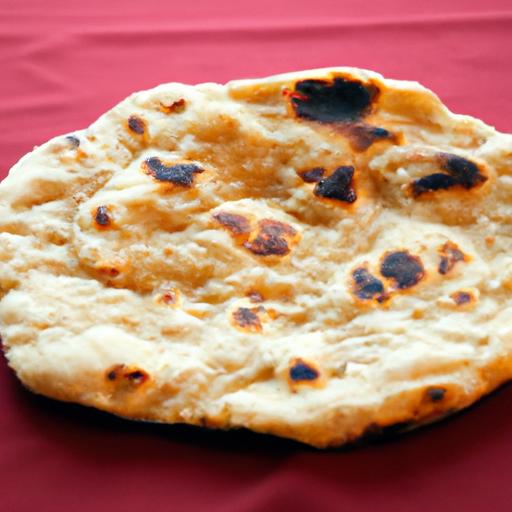



From the bustling streets of Delhi to the quiet kitchens of rural Rajasthan,Indian breads are more than just food-they are a timeless tradition woven into the very fabric of the subcontinent’s culture. Each staple, whether it’s the soft, pillowy naan or the rustic, crunchy chapati, tells a story of generations past and flavors perfected over centuries. “Master the Art of Indian Breads: Traditional Recipes Unveiled” invites you on a culinary journey to unlock the secrets behind these beloved breads. Through authentic recipes and expert techniques, you’ll discover how to transform simple ingredients like flour and water into edible masterpieces that bring warmth, comfort, and a touch of India’s rich heritage to your own table. Whether you’re a novice cook or a seasoned foodie, prepare to roll up your sleeves and dive into the soulful world of Indian breads-because every meal deserves a perfect companion, baked with love and tradition.
Master the Art of Indian Breads begins with an intimate understanding of the basic ingredients and techniques that transform simple dough into irresistibly soft, fluffy rotis and chapatis. Rooted in centuries of tradition,these Indian breads are more than just a staple; they are an artisanal craft that honors the harmony between flour,water,and heat. From the delicate balance of kneading to the rhythmic rolling of dough, every step whispers the legacy of countless households and tandoors across India.
Perfecting these breads means unlocking secrets passed down through generations-each method coaxing authentic flavor and texture, whether cooked atop a sizzling tava or fired in a roaring tandoor. dive deep into the art,and soon you’ll be elevating every meal with breads that embrace regional nuances,pairing flawlessly with an array of curries,chutneys,and vegetables. Let’s embark on this culinary journey that celebrates simplicity, tradition, and mastery.
Prep and Cook Time
- Readiness: 15 minutes
- Resting: 30 minutes
- Cooking: 10 minutes
- Total: 55 minutes
Yield
Serves 4 (8-10 rotis/chapatis)
Difficulty Level
Medium – Requires precise kneading and rolling skills
Ingredients
- 2 cups whole wheat flour (atta), sifted
- ¾ cup warm water (adjust as needed)
- 1 tbsp vegetable oil or melted ghee (optional, for softness)
- 1 tsp salt (optional)
- Extra flour for dusting
Instructions
- Combine the Dry Ingredients: In a large bowl, sift the whole wheat flour and salt. Mix thoroughly to distribute evenly.
- Gradually Add Water: Pour warm water little by little while mixing with your fingers or a spoon until a shaggy dough forms.
- Knead the Dough: Transfer to a clean surface and knead with the palm of your hand. Knead for 8-10 minutes until the dough is smooth, elastic, and springs back gently when pressed. Add oil or ghee midway to improve softness.
- Rest the Dough: Cover with a damp cloth and let it rest for 30 minutes to hydrate the gluten fully, making it easier to roll out.
- divide and Shape: Pinch off lemon-sized portions,roll them into smooth balls,and dust lightly with flour.
- Roll the Dough: Using a rolling pin, roll each ball into a thin, even circle about 6-7 inches in diameter. Keep the edges even to avoid uneven cooking.
- Cook on Tava or Griddle: Heat a cast-iron tava or non-stick skillet over medium-high heat.Place the rolled dough on the hot pan. Cook until bubbles form (~30 seconds), then flip.
- Flip and Puff: On flipping, cook the other side until light golden spots appear, then flip again and press gently with a spatula or cloth so the roti puffs up fully-this ensures fluffiness.
- Optional Direct Heat: For authentic flavor, finish on an open flame for 2-3 seconds using tongs. This imparts a gentle smoky aroma and uneven char that’s signature to tandoori breads.
- Keep Warm: stack cooked rotis and store covered in a clean kitchen towel or a roti basket to retain softness and warmth until serving.
Tips for Success
- Flour Choice: Whole wheat atta is traditional; for softer breads, blend ¾ whole wheat with ¼ all-purpose flour.
- Water Temperature: warm water helps develop gluten but avoid hot water as it can ”cook” the flour prematurely.
- Kneading: Kneading well is key to soft,elastic dough. If the dough feels sticky, dust hands with a bit more flour instead of adding too much to avoid toughness.
- Rolling: Ensure even thickness to prevent raw spots or overcooked edges. Keep rotating the dough as you roll for a perfect circle.
- Cooking Heat: Medium-high heat is essential – too low will make the bread dry and hard, too high will burn before cooking through.
- Storage: Fresh is best, but to store, cool completely and wrap in foil. Reheat gently on a hot tava or in a steamer to restore softness.
Serving Suggestions
Indian breads are the perfect canvas for bold, savory dishes. Serve freshly made rotis or chapatis alongside fragrant dals, creamy paneer curries, or spiced vegetable sides. Garnish with a smear of ghee or a sprinkle of freshly chopped cilantro for that finishing touch. For an authentic experience, accompany with tangy pickles, cooling yogurt raita, and vibrant chutneys such as mint or tamarind.

| Nutrition per Roti (approx.) | Calories | Protein | Carbohydrates | Fat |
|---|---|---|---|---|
| 1 medium roti (~40g) | 120 kcal | 3.5 g | 22 g | 0.5 g |
To expand your bread repertoire, explore other regional Indian breads that highlight unique flour blends and cooking techniques. For detailed scientific insights on gluten development in wheat doughs, visit the Food Hydrocolloids Journal.
Q&A
Q&A: Master the Art of Indian Breads: Traditional Recipes Unveiled
Q1: What makes Indian breads such an integral part of the cuisine?
A1: Indian breads are much more than just accompaniments; they are culinary vessels that carry flavors, textures, and traditions across regions. From the soft, buttery layers of paratha to the fluffy, slightly charred naan, these breads embody centuries of history and the essence of Indian meals, often serving as the perfect vehicle to scoop up rich curries, dals, and chutneys.
Q2: Which are some of the most iconic traditional Indian breads one should try mastering?
A2: Essential Indian breads to master include roti (also called chapati), naan, paratha, puri, and bhatura. Each has its unique dough, preparation method, and cooking style, offering a delightful range of textures and flavors. Roti is the everyday staple, while naan shines in celebratory feasts, and puri and bhatura bring a fun, puffed-up dimension that pairs wonderfully with spicy accompaniments.
Q3: what are the foundational ingredients for making traditional Indian breads?
A3: The heart of most Indian breads lies in simple, wholesome ingredients: whole wheat flour (atta), water, salt, and occasionally a bit of oil or ghee. Some breads like naan incorporate yogurt or milk for softness,while parathas often feature a layer of ghee or oil between dough folds. The magic comes from technique and balance rather than complexity.
Q4: How can beginners perfect the art of rolling dough evenly?
A4: Rolling dough evenly is a skill that transforms the bread from ordinary to extraordinary. Start by ensuring your dough is rested and soft but not sticky. Use light, consistent pressure with a rolling pin, turning the dough ball frequently to maintain a round shape. Imagine gently coaxing the dough outward rather than pressing down hard. Patience and practice are key!
Q5: What cooking methods are traditional Indian breads prepared with?
A5: Traditional Indian breads are typically cooked on a hot tava (flat griddle) or tandoor (clay oven). Roti and parathas are cooked on the tava, requiring a flip and slight puffing over direct heat. Naan and tandoori breads gain their characteristic char and smoky flavor in the intense heat of a tandoor. At home, a heavy skillet or cast iron pan can mimic these effects beautifully.
Q6: Are stuffed Indian breads challenging to make, and which are most popular?
A6: Stuffed Indian breads might seem intimidating but are very achievable with guidance.popular varieties include aloo paratha (potato-stuffed), paneer paratha (cheese-stuffed), and gobi paratha (cauliflower-stuffed). The key is a well-prepared filling that’s dry enough to avoid tearing the dough and careful sealing before rolling out gently.
Q7: How do Indian breads enhance the overall dining experience beyond the main dishes?
A7: Indian breads add a tactile,interactive element to meals. They invite diners to tear, scoop, and savor every bite, making the experience communal and heartwarming. Their textures-from crispy edges to soft centers-contrast beautifully with curries or lentils, bringing balance and satisfaction. In many households, the aroma of freshly made bread signals comfort and festivity.
Q8: can I make Indian breads gluten-free, and what tips help in adapting recipes?
A8: Absolutely! While wheat flour is traditional, gluten-free versions can be made using flours like millet (bajra), sorghum (jowar), or chickpea (besan), often in combination. These doughs benefit from added moisture and binders like flaxseed or yogurt for adaptability. Cooking times may vary, and practice helps in adjusting thickness and heat for perfect results.Q9: what role do fats like ghee or oil play in Indian bread preparation?
A9: Fats like ghee and oil elevate Indian breads by creating tender layers, enhancing flavor, and encouraging golden crispness. for example, ghee brushed on parathas during cooking results in rich, flaky layers, while oil in the dough or on the tava helps prevent sticking and promotes stunning browning.
Q10: How important is resting the dough in Indian bread recipes?
A10: Resting the dough is crucial; it allows the gluten to relax, making the dough easier to roll and helping breads puff up nicely. A rest period of at least 20-30 minutes often yields softer, more elastic dough. This simple step transforms tough, dry bread into melt-in-your-mouth delights.-
Mastering Indian breads opens a gateway into centuries of flavorful tradition-each recipe a story, every bite a celebration. So gather your rolling pin and tava, and embark on this appetizing journey!
wrapping Up
As the warm aroma of freshly baked naan or the rustic charm of a perfectly rolled paratha lingers in your kitchen, you’ll realize that mastering Indian breads is more than just a culinary skill-it’s a journey into centuries of tradition, culture, and heartfelt hospitality. With these time-honored recipes now at your fingertips, you’re equipped to bring the soul of India to your table, one soft, golden bread at a time. So roll up your sleeves, embrace the dough, and let each fold and puff tell a story of heritage and flavor that transcends borders. Your adventure in Indian breads has just begun-may it be as rich and satisfying as the breads you create.