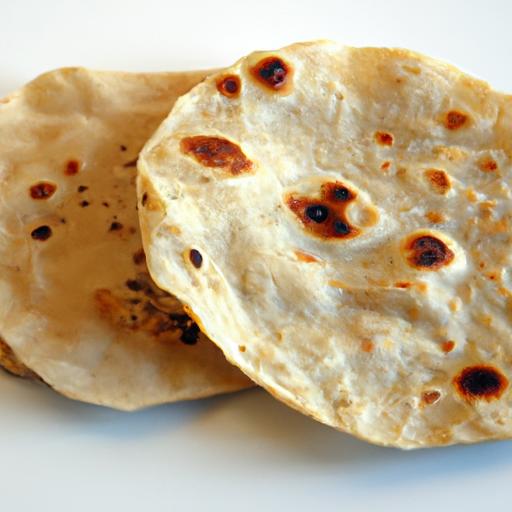

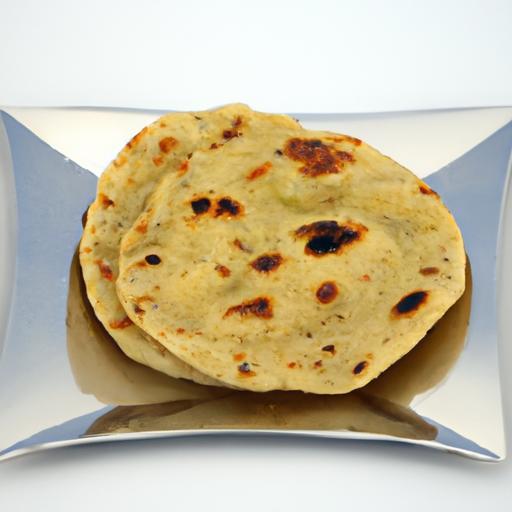
In the heart of indian cuisine lies a humble yet irresistible treasure: the phulka. This soft, fluffy flatbread, often enjoyed fresh off the tava (griddle), transforms every meal into a comforting ritual. Lightweight and delightfully puffed,the phulka Indian meal is more than just bread-it’s a canvas for tradition,flavour,and simplicity. Whether paired with spicy curries, cooling raitas, or a dollop of clarified butter, the phulka embodies the essence of home-cooked goodness. Join us as we explore the story, technique, and irresistible charm behind this beloved flatbread delight.
Phulka Indian Meal is a timeless culinary treasure, celebrated for its simplicity and the comforting softness that defines this iconic flatbread.Originating from the heartlands of North India, phulkas have accompanied countless meals across generations, serving as both a staple and a symbol of cultural heritage. The word “phulka” itself evokes the image of a perfectly puffed, airy bread that melts gently in the mouth, inviting you to savor every bite alongside richly spiced curries and vibrant vegetable dishes.
Mastering the art of the phulka at home transforms everyday meals into special occasions.The finesse lies not only in the dough’s pliability but also in the technique of cooking – one that balances heat and timing to achieve that coveted golden puff. Whether you grew up with this flatbread or are discovering it anew, learning its origins and cultural resonance deepens thankfulness and connection with Indian cuisine.
Prep and Cook Time
Preparation: 10 minutes
Resting: 20 minutes
Cooking: 15 minutes
Total: 45 minutes
Yield
Serves 4 (8-10 phulkas)
difficulty Level
Easy
Ingredients
- 1 cup whole wheat flour (atta), preferably finely ground
- ½ cup water (adjust as needed for a soft dough)
- ½ teaspoon salt, optional
- 1 teaspoon oil or ghee (optional, for softness)
- Additional dry flour for dusting
Instructions
- Combine the flour and salt in a large mixing bowl, stirring to evenly distribute the salt.
- Gradually add water in small increments, mixing with your hand or spoon until a shaggy dough starts to form.
- Incorporate oil (if using) to help with elasticity and softness during cooking.
- Knead the dough on a clean surface for 8-10 minutes until smooth, soft, and slightly pliable but not sticky.
- Cover the dough with a damp cloth and let it rest for 20 minutes, allowing the gluten to relax for an easier roll.
- Divide the dough into equal-sized lemon ball portions.
- Dust your rolling surface lightly with dry flour to prevent sticking and roll each ball into a thin, even circle about 6-7 inches in diameter.
- Heat a flat tawa or skillet over medium-high flame until hot but not smoking.
- Cook the rolled dough on the hot tawa, flipping once bubbles appear, until light golden spots form on both sides (about 30 seconds per side).
- Using tongs, place the phulka directly over an open flame or use a wire rack, allowing it to puff up fully like a balloon-this indicates perfect cooking.
- Remove promptly and place in a covered container or wrap in a clean cloth to retain softness.
Tips for Success with Your Phulka Indian Meal
- Dough consistency is key: Too stiff a dough yields tough phulkas; too wet causes tearing. Adjust water carefully.
- Resting time: Don’t skip the resting-gluten relaxation is crucial for easy rolling and soft texture.
- Rolling technique: Aim for uniform thinness; thick spots won’t puff evenly, thin spots may burn.
- Heat management: Ensure your pan is hot enough to brown the phulka but not so hot to burn it prematurely.
- Flame puffing: The direct flame puffing step is conventional but can be substituted with a hot skillet; however, puffing gives the signature airy texture.
- Make ahead: Phulkas are best fresh but can be gently reheated on a skillet or steamer without losing softness.
Serving Suggestions
Phulkas pair beautifully with an array of traditional Indian dishes, making for a wholesome meal that’s both comforting and vibrant. Try them alongside a rich paneer butter masala, a spicy chana masala, or cooling cucumber raita to balance the spices. A pat of ghee melted atop fresh phulkas adds luxe aroma and a silky finish. Garnish your plate with fresh coriander leaves, wedges of lemon, and pickled vegetables for an authentic touch. For vegetarians, dal tadka or mixed vegetable sabzi further enrich the dining experience.
| Nutrient | Per Phulka (approx.) |
|---|---|
| Calories | 70 kcal |
| Protein | 2.5 g |
| Carbohydrates | 15 g |
| Fat | 0.5 g |

Discover further culinary inspiration for Indian breads by visiting Britannica’s overview of phulka,a reliable source on its cultural heritage and variations across India.
Q&A
Q&A: Phulka Indian Meal – The Soft, Fluffy Flatbread Delight
Q: What is a Phulka, and why is it so beloved in Indian cuisine?
A: Phulka is a type of Indian flatbread known for its incredibly soft, fluffy texture that puffs up beautifully when cooked. It’s a staple on many Indian dining tables due to its simplicity, versatility, and comfort factor. Unlike heavier breads, phulkas are light and perfect for scooping up curries, dals, and vegetables without overpowering the flavors.
Q: How does a Phulka differ from other Indian breads like chapati or naan?
A: While all three are flatbreads,phulkas are typically thinner than chapatis and uncooked with yeast or baking powder like naan. The hallmark of phulka is its puffed, balloon-like appearance achieved by briefly cooking it directly over flame, which sets it apart with a tender, melt-in-your-mouth texture rather than a chewy bite.
Q: What are the key ingredients needed to make a traditional Phulka?
A: The classic phulka uses just three simple ingredients: whole wheat flour (atta), water, and a pinch of salt. Sometimes a little oil or ghee is added for softness, but traditional phulkas rely on skillful kneading and puffing techniques to achieve thier signature fluffiness.
Q: Can you share some tips to make Phulkas soft and perfectly puffed?
A: Absolutely! Knead the dough until it’s smooth and elastic, then let it rest covered for at least 20 minutes-this relaxes the gluten.Roll the dough balls evenly and thinly, not too thick. Cook on a hot tawa (griddle) until brown spots form, then place directly over an open flame or high heat to let it puff naturally. Covering phulkas right after cooking helps retain moisture,keeping them soft.
Q: What dishes pair best with Phulka to complete a meal?
A: Phulkas are the ultimate companions for a variety of Indian dishes. Rich lentils (dal), spiced vegetable curries, fresh chutneys, and cooling yogurt raita all harmonize beautifully with the mild flavor and cozy texture of phulkas. They’re also fantastic with tangy pickles or a simple drizzle of homemade ghee.Q: Are there any health benefits to choosing Phulka as your flatbread of choice?
A: Yes! Made from whole wheat flour,phulkas are high in fiber,which supports digestion and provides sustained energy. They’re low in fat and made without elaborate ingredients,making them a light yet satisfying option for those looking to maintain a balanced diet without sacrificing flavor.
Q: Is it possible to make gluten-free or vegan variants of Phulka?
A: While traditional phulkas use whole wheat flour,adventurous cooks have experimented with gluten-free flours like millet or sorghum blends,though puffing may be trickier. Vegan phulkas are naturally easy as no dairy is required in the traditional recipe-just water, wheat flour, and salt.
Q: How can one incorporate Phulka into a modern or fusion meal?
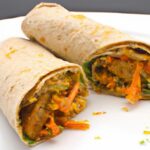
A: Phulka’s soft, neutral canvas invites creativity! Use them as wraps for grilled vegetables or paneer tikka, or turn leftover phulkas into crispy chips by baking them with spices. They can even be layered with cheese and herbs for fast flatbread pizzas, blending Indian tradition with contemporary flavors.
Q: What makes mastering the art of Phulka so rewarding in the kitchen?
A: There’s a simple magic in watching a flat disc of dough gently balloon into a fluffy, steaming bread right before your eyes.It connects you with centuries of Indian culinary heritage, invites you to slow down, and rewards you with humble, heartfelt nourishment-soft, warm, and perfect every time.
In Retrospect
In the vast tapestry of Indian cuisine,the humble phulka stands out as a testament to simplicity and tradition.Its soft, fluffy texture and subtle flavor not only complement a myriad of dishes but also tell a story of time-honored techniques passed down through generations. Whether enjoyed fresh off the tawa or paired with rich curries and dals, the phulka remains an enduring symbol of comfort and connection at the Indian dining table. So next time you crave a bread that’s light yet hearty, remember the phulka-a delightful embrace of culture, craftsmanship, and culinary warmth.