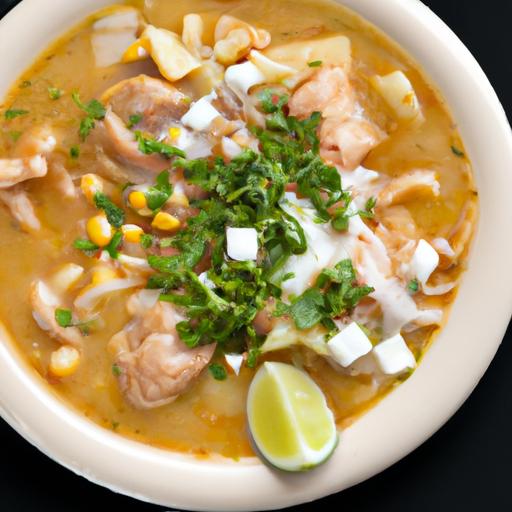




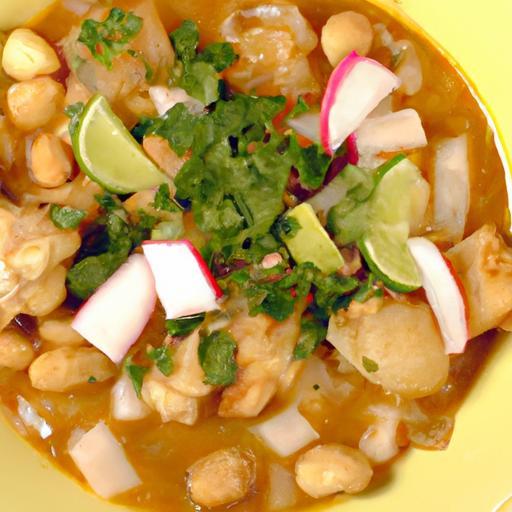
In the vibrant tapestry of Mexican cuisine, few dishes capture the essence of tradition and comfort quite like pozole blanco. This pure and hearty stew, steeped in ancient customs and bursting with simple yet profound flavors, offers more than just a meal-it tells a story. From its roots in pre-Hispanic rituals to its place at festive tables across Mexico today, pozole blanco is a party of heritage and community.Join us as we delve into the rich history,distinctive ingredients,and soulful preparation of Mexico’s beloved pozole blanco,a dish that warms both heart and hearth.
Pozole Blanco is more than just a dish-it’s a flavorful emblem of Mexican heritage that has been lovingly passed down through generations. Originating in pre-Hispanic times, this hearty stew was traditionally prepared for celebrations and communal gatherings, symbolizing unity and abundance. The pure, unspiced broth highlights the quality of its core ingredients, offering a comforting taste that invites memories of family, warmth, and culture. Every spoonful reveals the soul of mexico, making it a must-try for anyone looking to explore authentic Mexican cuisine.
Prep and Cook Time
- Preparation: 30 minutes
- cooking: 3 hours
- Total Time: 3 hours 30 minutes
Yield
Serves 6 generous portions
Difficulty Level
Medium – Requires some time and attention, but perfect for home cooks eager to master a conventional classic
Key Ingredients That Define the Authentic Flavor of Pozole Blanco
- 2 lbs hominy (canned or pre-cooked) – Nixtamalized corn kernels that bring texture and flavor
- 3 lbs pork shoulder or pork leg, cut into chunks – The tender, rich protein foundation
- 1 white onion, halved – Adds subtle sweetness to the broth
- 4 cloves garlic – Essential for depth and aroma
- 4 quarts water – The base for a clear, nourishing broth
- 2 teaspoons salt – to season perfectly
- Optional: 1 bay leaf – Provides gentle earthy notes
Step-by-Step Guide to Preparing a Classic Pozole Blanco at Home
- Rinse the hominy under cold water until clear, then soak if using dried hominy overnight. Drain before cooking.
- In a large pot,add pork pieces,onion halves,garlic cloves,and water. Bring to a boil over high heat, then reduce to a gentle simmer.
- Skim off any foam or impurities rising to the surface during the first 30 minutes for a clean broth.
- Add the soaked or canned hominy,salt,and bay leaf. Simmer uncovered for 2-3 hours, or until pork is tender and hominy kernels have burst open slightly, revealing their signature fluffy interior.
- remove the pork and shred it with two forks. Discard onion, garlic, and bay leaf from the broth.
- Return shredded pork to the pot, stir well, and adjust seasoning. Keep the broth hot until ready to serve.
Expert Tips for Garnishing and Serving Pozole Blanco Like a true Mexican Chef
- Crisp shredded lettuce or cabbage: Adds crunch and freshness.
- Thinly sliced radishes: For a peppery bite that brightens each spoonful.
- Fresh chopped onion and cilantro: To amplify aroma and herbal notes.
- Fresh lime wedges: Squeeze just before eating to elevate flavors with citrus acidity.
- Dried oregano and crushed red chile flakes: For guests who crave gentle heat and spice.
- Warm corn tortillas or tostadas: Essential for scooping and complementing the stew’s textures.
Chef’s Notes & Tips for Success
- If canned hominy is your only option, rinse and boil it briefly before adding to the stew. homemade nixtamal can deepen complexity but requires extra effort.
- For a richer broth, brown the pork pieces lightly before boiling.
- To save time, use a pressure cooker to reduce simmering to about 1 hour without losing flavor.
- Leftovers taste even better the next day as flavors meld; store in airtight containers.
- vegetarian twist: Replace pork with mushrooms and vegetable broth, but keep key garnishes for authentic texture contrasts.
Serving Suggestions
Serve pozole blanco piping hot in deep bowls, generously topped with your favorite garnishes. Offer lime wedges and tortillas on the side for a fully immersive dining experience. For festive occasions, accompany the stew with Mexican rice or a light avocado salad to balance richness. This dish is ideal for sharing-perfect for family dinners or celebrations were comfort and tradition take center stage.
| Nutrient | Per Serving |
|---|---|
| Calories | 420 kcal |
| Protein | 35g |
| Carbohydrates | 30g |
| Fat | 15g |

For those eager to explore further, check out our in-depth guide on other Mexican soups and stews that celebrate regional flavors. To understand the past and cultural depth of pozole, the Smithsonian National Museum of the American Indian provides an excellent resource on nixtamalization and indigenous cuisine.
Q&A
Q: What exactly is Pozole Blanco?
A: Pozole Blanco is a traditional Mexican stew that celebrates simplicity in its purest form. Unlike its more colorful cousins-pozole Rojo and Verde-Pozole Blanco is made without chili sauces or vibrant salsas, allowing the natural flavors of its core ingredients to shine. It’s a hearty,comforting dish centered around tender hominy,succulent pork,and a clear,flavorful broth.
Q: Where does Pozole Blanco originate from?
A: Pozole, in various forms, has roots stretching back to pre-Hispanic Mexico, with indigenous peoples preparing hominy-based stews for sacred and communal occasions. Pozole Blanco, in particular, is closely linked to central Mexico, especially the states of Jalisco and Zacatecas, where the emphasis is on the purity of ingredients and traditional preparation.
Q: What are the main ingredients in Pozole Blanco?
A: The trio of the stew’s heart includes nixtamalized hominy (large, popped kernels of corn), pork (often shoulder or loin), and a clear broth seasoned with garlic, onion, and subtle spices. Unlike other pozoles, it skips the red or green chili peppers, resulting in a milder but equally rich stew.
Q: How is Pozole Blanco traditionally prepared?
A: Preparation begins with soaking and cooking the hominy until tender and puffed.Pork is simmered slowly to create a rich, savory stock. The broth is then combined with the hominy and pork, simmered gently to meld flavors. It’s served piping hot with a variety of fresh garnishes that add texture and brightness.
Q: What toppings or garnishes accompany Pozole Blanco?
A: The beauty of Pozole Blanco lies in its customizable garnishes. Common additions include shredded cabbage or lettuce for crunch, thinly sliced radishes for peppery freshness, chopped onions, oregano, lime wedges, and dried oregano. Some enjoy a drizzle of chili oil or a spoonful of salsa on the side, allowing each diner to tailor the stew’s intensity.
Q: Why is Pozole Blanco considered a “pure and hearty” stew?
A: “Pure” reflects its minimalist, chili-free broth that emphasizes the natural flavors of corn and pork rather than masked by heavy spices or sauces. “Hearty” describes its nourishing qualities-the combination of protein and fiber-rich hominy makes it a filling and sustaining meal often enjoyed during celebrations or to warm up on cool evenings.
Q: When is Pozole Blanco traditionally eaten?
A: Pozole fiestas abound on national holidays like Mexican Independence Day and Christmas Eve,as well as local festivals. It’s frequently enough the centerpiece of joyous gatherings, symbolizing community and heritage. Given its comforting nature,many also relish Pozole Blanco as a restorative meal during colder months.
Q: Can Pozole Blanco be adapted for modern or dietary preferences?
A: Absolutely! Vegetarian versions replace pork with mushrooms or jackfruit and use vegetable broth while keeping the hominy and fresh garnishes.Some cooks experiment with leaner meats or slow-cook the stew for extra depth. its simplicity makes it a versatile canvas for culinary creativity without losing its traditional heart.
Q: What makes hominy special in pozole Blanco?
A: Hominy is no ordinary corn-it is treated through nixtamalization, a process soaking dried corn kernels in an alkaline solution. This enhances the corn’s nutritional value, softens the hull, and imparts that famously plump, chewy texture crucial to pozole’s signature bite. It’s both a cultural and culinary cornerstone.
Q: How can someone best enjoy Pozole Blanco at home?
A: Gather your ingredients with care, embrace the slow simmering process, and assemble an array of fresh garnishes to personalize each bowl. Serve with warm corn tortillas or crunchy tostadas on the side. Most importantly, enjoy it amid good company, as Pozole Blanco was meant to nourish both body and soul.
Final Thoughts
In the rich tapestry of Mexican cuisine, Pozole Blanco stands out as a humble yet profound celebration of tradition and flavor. Its clear, unadorned broth invites you to savor the pure essence of each ingredient-the tender hominy, succulent pork, and vibrant garnishes-that come together to create a stew both simple and soul-satisfying. More than just a dish, Pozole Blanco is a living story passed down through generations, a comforting reminder of Mexico’s culinary heritage and the warmth of shared meals. So whether enjoyed in a bustling mercado or your own kitchen,a bowl of pozole Blanco is an invitation to connect with the heart of Mexico-one spoonful at a time.