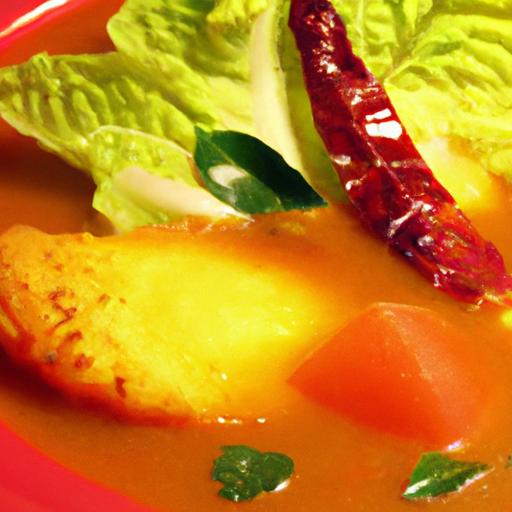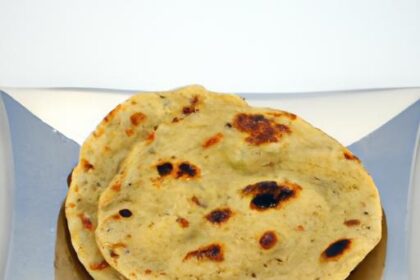

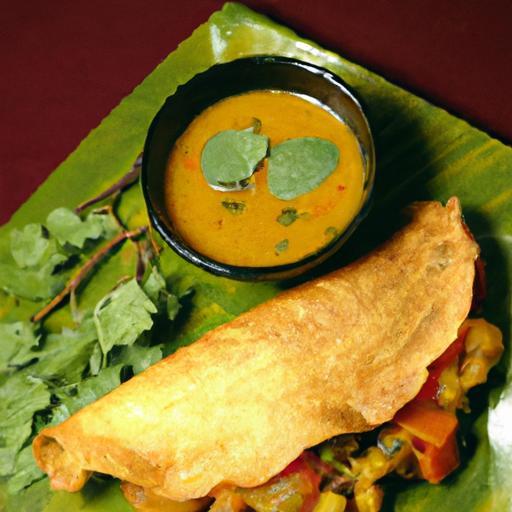
there’s something timeless about the comforting aroma of sambar simmering gently on the stove, mingling with the crisp, golden edges of freshly made dosa. Together, they create a harmonious dance of flavors that has delighted taste buds across generations. if you’ve ever longed to bring the authentic South Indian breakfast experience to your own kitchen without the fuss, you’re in for a treat. In this article, we’ll guide you through an easy sambar recipe paired perfectly with a classic dosa-inviting you to savor tradition with simplicity and relish every bite of this beloved duo.
Savor the classic: Easy Sambar with Dosa Recipe Delight invites you into a world where South Indian culinary traditions weave magic through vibrant spices,tangy tamarind,and the crisp golden embrace of perfectly fermented dosas. This iconic duo is not only a staple on festive mornings and bustling street corners but a comforting embrace that narrates generations of stories with every bite.
Prep and Cook Time
- Preparation: 20 minutes
- fermentation: 8 hours to overnight (for dosa batter)
- Cooking: 30 minutes
- Total Time: Approximately 9 hours (including fermentation)
Yield
- Serves 4-5 people
Difficulty Level
- Easy to Medium – perfect for beginner cooks with a little patience for fermentation and spice balance
Ingredients for Sambar
- 1 cup Toor dal (pigeon peas),washed thoroughly
- 2 cups mixed vegetables (carrot,drumstick,pumpkin,and brinjal,chopped)
- 1 medium-sized Tamarind ball – soaked in warm water (about 1/2 cup extract)
- 2 tablespoons Sambar powder (store-bought or homemade)
- 1/2 teaspoon Turmeric powder
- Salt to taste
- 2 tablespoons Oil (preferably sesame or coconut oil for authentic aroma)
- 1 teaspoon Mustard seeds
- 1 teaspoon Cumin seeds
- 2 dried Red chilies,broken
- 1 tablespoon Urad dal (split black gram)
- 1 tablespoon Chana dal
- A pinch of Hing (asafoetida)
- Fresh Curry leaves (a sprig)
- Fresh coriander leaves for garnish
Ingredients for Dosa Batter
- 3/4 cup Urad dal (split black gram,skinless)
- 2 cups Raw rice (preferably parboiled rice)
- 1/4 cup Poha (flattened rice),rinsed and drained
- 1 teaspoon Fenugreek seeds
- Salt to taste
- Water as required for grinding and consistency
- Oil or ghee for cooking
Instructions
- Prepare the dosa Batter: Rinse urad dal and soak together with fenugreek seeds in water for at least 4 hours. Separately soak the raw rice and poha for the same duration.
- Drain and grind the urad dal mixture into a smooth and fluffy batter, adding water gradually. Grind the rice and poha into a slightly coarse batter. Combine both batters, mix well, and add salt.
- Transfer to a wide bowl, cover with a loose lid, and allow the batter to ferment overnight in a warm place until airy and sour. This fermentation is the key to achieving the perfect dosa texture and tang.
- Cook the Toor Dal: Wash and pressure cook the dal with turmeric and 2 1/2 cups water on medium heat for 3-4 whistles until very soft. Mash it lightly and set aside.
- Prepare Tamarind Extract: Soak the tamarind ball in warm water for 15 minutes. Extract the pulp by squeezing and straining, then set aside.
- Cook Vegetables: In a deep pan, add chopped vegetables with enough water and salt. Bring to a boil until vegetables are tender but not mushy.
- Combine Dal, Tamarind, and Spices: Add the cooked dal and tamarind extract to the vegetables. Stir in sambar powder and let it simmer on medium-low heat for 10-12 minutes, allowing the flavors to meld brightly.
- Prepare Tempering: Heat oil in a small pan. Add mustard seeds and wait for them to pop, then add cumin seeds, urad dal, chana dal, dried red chilies, hing, and curry leaves. Fry until golden and fragrant-watch closely to avoid burning.
- Pour the tempering over the simmering sambar, stir well, and switch off the heat.Garnish generously with fresh chopped coriander leaves.
- Cook the Dosas: Heat a cast-iron or non-stick griddle over medium-high heat. Lightly grease it with oil or ghee. Pour a ladleful of batter and spread quickly in a circular motion to form a thin crepe. Drizzle oil around the edges and cook until crisp and golden brown.
- Flip briefly if desired, or cook only on one side for customary thin and crispy textures. Serve promptly.
Tips for Success
- Fermentation: Ensure the batter ferments well in a warm spot, especially in cooler climates-this controls the tang and fluffiness ideal for dosa making.
- Sambar Powder: Freshly roasted and ground sambar powder enhances aroma and taste; consider homemade blends from trusted recipes.
- Tamarind Concentration: Adjust tamarind pulp quantity for balanced tanginess; too much can overpower the subtle sweetness of the vegetables.
- Oil Choice: Using sesame oil particularly in tempering provides the authentic nutty fragrance essential to classic sambar.
- Vegetable Variations: Add seasonal or preferred vegetables like drumstick (indeed a classic), pumpkin, or even tomatoes for layered texture and flavor.
- Storing Batter: Leftover dosa batter can be refrigerated for 2-3 days; bring it to room temperature before cooking.
- Batch Cooking: Prepare sambar in bulk; it tastes even better after a day as flavors deepen, making it a convenient make-ahead meal.
Serving suggestions
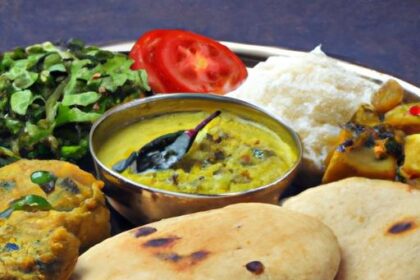
Present this classic meal with dosas elegantly folded or rolled on warm plates next to a generous bowl of steaming sambar.Sprinkle freshly chopped coriander leaves atop the sambar for a burst of colour and fragrance. For a subtle crunch, scatter thinly sliced raw red onions or a wedge of lime on the side. A small bowl of coconut chutney or tomato chutney complements this set, adding contrasting creaminess and brightness.
Drizzle a few drops of melted ghee on the dosa for an indulgent finish and serve alongside a steaming cup of traditional filter coffee or warm spiced chai to transform your meal into a soulful South Indian experience.

Nutritional Information
| Nutrition | Per Serving |
|---|---|
| Calories | 320 kcal |
| Protein | 12 g |
| Carbohydrates | 45 g |
| Fat | 6 g |
For an enriching dive into traditional Indian spices and cooking techniques,visit the indian Healthy Recipes Sambar guide.
Interested in expanding your dosa repertoire? Check out our Ultimate neer Dosa Recipe for a lighter, more delicate crepe experience.
Q&A
Q&A: Savor the Classic – Easy Sambar with Dosa Recipe Delight
Q1: What makes sambar such a beloved classic in South Indian cuisine?
A: sambar is the heart and soul of South indian meals, blending tangy tamarind, earthy lentils, and vibrant spices into a comforting stew. its balanced flavors and wholesome ingredients make it a versatile dish that pairs beautifully with staples like dosa, idli, and rice, offering both nourishment and delight.
Q2: How can I make sambar quickly without losing its authentic taste?
A: The key to fast yet flavorful sambar lies in prepping efficiently. Use split toor dal (pigeon peas) for the base and cook them until soft. Tamarind paste can speed up the tamarind soaking process. Fresh sambar powder or a good quality store-bought blend adds depth without hours of spice grinding. Lastly, don’t skip the tempering of mustard seeds, curry leaves, and dried red chilies-it unleashes the classic aroma instantly.
Q3: What is the best way to prepare dosa batter for a crispy, golden finish?
A: For a perfect dosa batter, soak equal parts of rice and urad dal (split black gram) separately, then grind into a smooth paste. Ferment the batter overnight in a warm spot to develop that slight tang and airy texture. When spreading on a hot griddle, use a light hand and drizzle a bit of oil around the edges for that golden, crispy edge everyone loves.
Q4: Are there any simple tips for beginners to master dosa and sambar together?
A: Absolutely! Start by preparing sambar in advance so its flavors mature. While it simmers,prepare and ferment the dosa batter. When ready, cook dosas on a medium-hot pan to prevent sticking or burning. Serve hot dosas alongside steaming sambar for dipping-this combo is comfort food made simple. Remember, practice makes perfect, and each attempt brings you closer to that restaurant-quality delight!
Q5: Can I customize sambar to suit my taste or dietary needs?
A: Sambar is wonderfully forgiving and adaptable. Swap veggies like carrot, pumpkin, or drumstick for variety and added nutrition. Adjust the spice level with green chilies or red chili powder to your liking. For a vegan version, simply omit any ghee and rely on oil for tempering. Sambar is a canvas-feel free to paint it with your favorite seasonal vegetables and spice blends.
Q6: How do sambar and dosa complement each other on the palate?
A: Dosa’s crisp, mildly tangy texture pairs brilliantly with sambar’s warm, tangy, and spiced soupy goodness. The dosa acts like a delicate spoon, soaking up the sambar’s complex flavors, making each bite layered and satisfying. Together, they create a rhythm of textures and tastes that comfort and intrigue your palate simultaneously.
Q7: What are some must-have tools for making classic sambar and dosa at home?
A: A heavy-bottomed pot or pressure cooker for cooking lentils quickly and evenly, a good blender or wet grinder to achieve smooth dosa batter, and a flat non-stick pan or cast-iron tawa for evenly spreading and crisping dosas. A small ladle and a spatula with a thin edge help flip dosas gracefully without tearing.
Q8: Any advice on storing leftovers to maintain freshness?
A: Store sambar in an airtight container in the refrigerator for up to 3 days. it frequently enough tastes even better the next day as flavors meld. Reheat gently on the stove, adding a splash of water if needed. Dosas are best enjoyed fresh but can be wrapped tightly and refrigerated for a day; warming them on a hot pan restores some crispness. Avoid microwaving dosas as they turn chewy.
Q9: Can children enjoy sambar and dosa? How to make it kid-friendly?
A: Yes! To make sambar kid-friendly,reduce the spice levels and use sweeter vegetables like carrots and pumpkin. Serve with soft, mild dosas or even mini uttapams (thicker dosas with veggies), making it visually appealing and easy to eat. The combination is wholesome, introducing little ones to healthy lentils and vegetables in a fun, flavorful way.
Q10: Why is making sambar and dosa at home such a rewarding experience?
A: Crafting sambar and dosa yourself is a joyful journey into centuries-old South Indian culinary traditions.It connects you to the rhythms of soaking, fermenting, and slow-cooking that transform humble ingredients into a festive feast. The aroma filling your kitchen,the crispy dosa crackling on the pan,and the hearty sambar bubbling away offer a multi-sensory experience that’s both creative and comforting-a appetizing way to savor the classic right at home.
Key Takeaways
As the aroma of freshly made sambar mingles with the crispness of golden dosas,you’ve unlocked a timeless culinary duo that captures the heart of South Indian cuisine. this easy sambar with dosa recipe isn’t just a meal-it’s a party of flavors, tradition, and comfort on a plate. Weather you’re a seasoned cook or a kitchen novice, savoring this classic dish invites you to experience the warmth of homemade goodness with every bite. So, roll up your sleeves, embrace the simplicity, and let this delicious duo become a staple in your recipe repertoire-because some classics are meant to be enjoyed again and again.