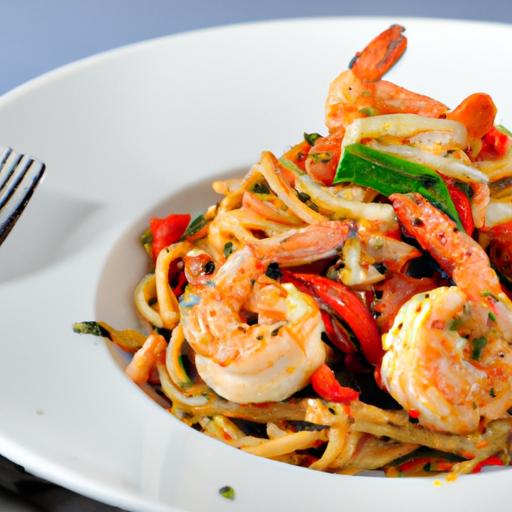

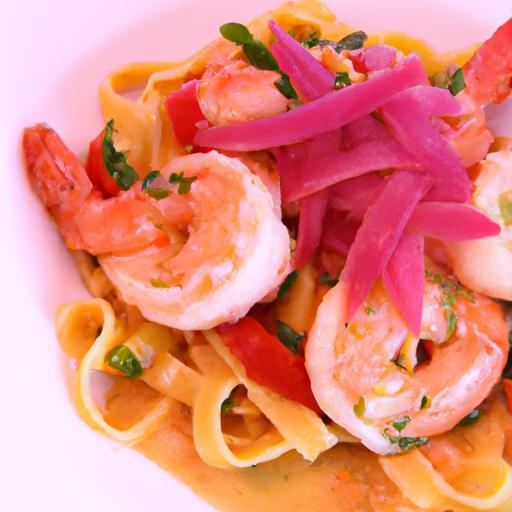
There’s something undeniably magical about the marriage of tender, succulent shrimp and al dente pasta-an oceanic duet that evokes sun-soaked coastal dinners and the comforting embrace of a homemade feast. “Savor the Sea: Crafting the Perfect Shrimp Pasta Delight” invites you on a culinary voyage where freshness meets finesse, and simple ingredients are transformed into a symphony of flavors. Whether you’re a seasoned chef or an eager home cook, this guide will unravel the secrets to balancing textures, enhancing aromas, and capturing the essence of the sea in every bite. Prepare to dive fork-first into a dish that’s as vibrant and inviting as a seaside sunset.
Selecting the Freshest Shrimp for Maximum Flavor and Texture
Savor the Sea: Crafting the perfect Shrimp Pasta Delight begins with sourcing the freshest shrimp possible-a crucial first step for a dish bursting with oceanic flavor and an enviable tender bite. When choosing shrimp, seek out specimens that boast a firm texture, translucent shells without any discoloration, and a clean, briny scent reminiscent of a gentle sea breeze.Avoid shrimp that smell ammonia-like or feel slimy, as these are signs of less fresh seafood. opting for wild-caught shrimp or responsibly farmed varieties ensures a naturally sweeter and more robust taste.
When buying fresh shrimp, look for shrimp with shells on to lock in flavor during cooking, peeling them right before sautéing for a fresher experience. If using frozen shrimp, thaw slowly in the refrigerator overnight and pat dry thoroughly to avoid excess moisture diluting your sauce. This attention to quality sets the stage for a perfectly balanced shrimp pasta delight.
Choosing the Ideal Pasta Shapes to Complement Your Seafood Sauce
The pasta shape plays a starring role in how your shrimp pasta resonates on the palate.For creamy, garlicky, and tangy sauces that cling lovingly to every strand, long and thin pastas like linguine or fettuccine are classic choices, their flat ribbons capturing luscious sauce with each twist of the fork. Alternatively, tubular shapes like penne or rigatoni offer ready pockets for pieces of shrimp and bursts of sauce, creating a delightful contrast in texture.
Delicate seafood sauces harmonize best with pasta that isn’t overpowering-avoid overly thick or dense pastas that might mask the nuanced flavors. For a stunning visual and textural balance,consider pairing your creamy shrimp sauce with linguine,allowing the pasta to be a perfect canvas for the sea’s bounty.
Mastering the Sauce: Balancing Creamy, Garlicky, and Tangy Flavors
The soul of this dish is it’s sauce-a creamy foundation brightened by garlic’s punch and elevated by a subtle tang that sharpens the richness. begin with gently sautéed garlic in high-quality olive oil or unsalted butter to coax out its sweet, aromatic essence. Introduce a splash of fresh lemon juice or aged balsamic vinegar to add brightness and complexity, cutting through the cream’s indulgence with a refreshing zing.
To achieve a silky texture, combine heavy cream (or a plant-based option for lighter results) with finely grated parmesan, stirred slowly over low heat untill smooth and velvety. the key lies in gradual seasoning-salt and cracked black pepper added in increments-to find harmony without overwhelming the delicate shrimp flavor. Fresh herbs like chopped parsley or basil finished on top lend an herbal lift and invite vibrant color to each plate.
Techniques for Cooking Shrimp to Tender Perfection Without Overcooking
Perfect shrimp is tender, juicy, and vibrant pink, and achieving this requires attentive timing and temperature control.Sear shrimp in a hot pan preheated to medium-high to get a flavorful golden crust while locking in moisture.Cook for approximately 1.5 to 2 minutes per side, flipping once; overcooking turns shrimp rubbery and tough. As shrimp turn opaque and curl into a loose “C” shape, remove them promptly from heat to rest gently in residual warmth.
Remember to pat the shrimp dry before cooking-it prevents steaming and encourages a beautiful sear. Toss shrimp in a light dusting of paprika or cayenne for subtle smokiness, or finish with a splash of lemon juice just before plating to brighten their natural sweetness. This attentive method ensures every bite encapsulates the ocean’s best, delivering a textural delight that makes this shrimp pasta unforgettable.
Prep and Cook Time
- readiness: 15 minutes
- Cooking: 20 minutes
- Total: 35 minutes
Yield
Serves 4 generous portions
Difficulty Level
Medium – approachable for home cooks eager to impress
Ingredients
- 1 lb fresh shrimp, peeled and deveined (shells reserved if desired for broth)
- 12 oz linguine pasta
- 3 tbsp unsalted butter
- 2 tbsp extra-virgin olive oil
- 4 cloves garlic, minced
- 1 cup heavy cream
- 1/2 cup freshly grated Parmesan cheese
- 1 tbsp fresh lemon juice
- 1 tsp lemon zest
- Salt and freshly cracked black pepper, to taste
- 2 tbsp fresh parsley, finely chopped
- Pinch of red pepper flakes (optional for subtle heat)
Instructions
- Cook the pasta: bring a large pot of salted water to a boil. Add linguine and cook according to package instructions until al dente. Reserve 1 cup of pasta water, then drain and set aside.
- Prep the shrimp: Pat shrimp dry and season lightly with salt and pepper.Heat 1 tbsp olive oil and 1 tbsp butter in a large skillet over medium-high heat.
- Sear shrimp: Add shrimp in a single layer, cooking 1.5-2 minutes per side until opaque and slightly curled. Remove shrimp from skillet and set aside.
- build the sauce: Lower heat to medium, add remaining olive oil and butter. Sauté garlic until fragrant and soft, about 1 minute, careful not to brown.
- Add cream and cheese: Pour in heavy cream and bring to a gentle simmer. Stir in Parmesan slowly until melted and smooth.
- Season the sauce: Stir in lemon juice, lemon zest, red pepper flakes if using, salt, and pepper. Adjust seasoning gradually, adding reserved pasta water 1/4 cup at a time to loosen sauce to your preferred consistency.
- Combine pasta and shrimp: Toss cooked linguine into the sauce, folding gently to coat. Return shrimp to the pan, stirring just until heated through.
- Garnish and serve: Plate pasta in shallow bowls, sprinkle generously with chopped parsley, extra Parmesan, and a final crack of black pepper. Serve instantly for ultimate freshness.
Chef’s Notes
- For a lighter variation,substitute half-and-half for heavy cream and use nutritional yeast rather of Parmesan.
- To intensify shrimp flavor without alcohol, simmer shrimp shells with garlic and herbs to create a rich seafood broth to incorporate into your sauce.
- If you prefer a subtle citrus twist, experiment with fresh orange zest alongside lemon zest for a unique brightness.
- Make-ahead tip: Prepare the sauce and shrimp separately, then toss with freshly cooked pasta just before serving to retain texture.
Serving Suggestions
Serve this shrimp pasta delight with a crisp glass of chilled sparkling water garnished with lemon slices. A side of garlic sautéed baby spinach or a vibrant heirloom tomato salad complements the creamy, garlicky sauce perfectly. Finish with a sprinkle of toasted pine nuts for added crunch and a burst of earthy flavor.

| Nutrient | Per Serving |
|---|---|
| Calories | 480 kcal |
| protein | 35 g |
| Carbohydrates | 45 g |
| Fat | 15 g |
For more inspirational seafood pasta recipes, check out our Creamy lobster Pasta recipe. Learn more about selecting top-quality shrimp and enduring seafood practices at Environmental defense Fund Seafood Guide.
Q&A
Q&A: Savor the Sea – Crafting the Perfect Shrimp Pasta Delight
Q1: What makes shrimp an ideal seafood choice for pasta dishes?
A: Shrimp’s natural sweetness and delicate texture create a beautiful contrast with pasta, lending a burst of oceanic flavor that complements a variety of sauces. Its quick cooking time ensures the shrimp stay tender and juicy, making it perfect for weeknight meals or elegant dinners alike.Q2: Which types of pasta pair best with shrimp for a harmonious dish?
A: Long noodles like linguine, fettuccine, or spaghetti are excellent canvases to showcase shrimp, as their thin strands cradle each succulent bite. Alternatively,shells or orecchiette can catch bits of shrimp and sauce,creating a delightful textural experience.
Q3: How can I enhance the flavor of shrimp without overpowering its natural taste?
A: Simple seasonings like garlic, lemon zest, fresh herbs (such as basil or parsley), and a touch of chili flakes work wonders. These ingredients uplift the shrimp’s sweetness while preserving its essence, creating a balanced and vibrant flavor profile.
Q4: what cooking techniques ensure shrimp remains tender and not rubbery?
A: Cooking shrimp quickly over medium-high heat is key-typically just 2-3 minutes per side until they turn pink and opaque. Overcooking causes toughness, so timing and attentive searing or sautéing are essential.
Q5: Can I prepare a flavorful sauce without cream or heavy ingredients?
A: Absolutely! A light sauce made from olive oil, garlic, fresh tomatoes, and a splash of vegetable broth or pasta water can create a bright, fragrant dressing. This approach lets the shrimp shine and keeps the dish from feeling too heavy.
Q6: What fresh herbs or aromatics best complement shrimp pasta?
A: Aromatics like garlic and shallots,paired with fresh basil,parsley,or dill,add layers of freshness. A pinch of red pepper flakes introduces mild heat, while lemon juice brings brightness, elevating the overall dish.
Q7: Is it possible to prepare shrimp pasta ahead of time without compromising quality?
A: For the best texture, cook the shrimp and pasta separately, then combine and dress just before serving. Reheating gently on the stove with a splash of olive oil or broth can revive flavors without drying out the shrimp.
Q8: What are some creative twists to elevate a classic shrimp pasta?
A: Adding sun-dried tomatoes, roasted red peppers, or capers introduces bursts of umami and tang. Tossing in a handful of baby spinach or arugula adds color and nutrition, while toasted breadcrumbs sprinkled on top provide a satisfying crunch.
Q9: Can I make this dish gluten-free without losing its character?
A: Certainly! Substitute traditional pasta with gluten-free varieties made from rice, corn, or chickpeas.The key is to cook the pasta al dente and pair it with the vibrant shrimp sauce to maintain a satisfying texture and flavor.
Q10: How do I balance the elements of the dish so the shrimp remains the star?
A: Keep the sauce light and avoid overpowering spices. Focus on fresh,uncomplicated ingredients that highlight the shrimp’s natural sweetness. Presentation also helps-arranging shrimp atop the pasta rather than mixed in can accentuate their appeal.
The Conclusion
As the final swirl of that glossy, garlic-infused sauce clings lovingly to each al dente strand, you realize that crafting the perfect shrimp pasta isn’t just about ingredients-it’s about savoring the symphony of the sea woven into every bite. from selecting the freshest shrimp to balancing zesty herbs and rich textures, this culinary journey transforms a simple meal into a celebration of coastal flavors. So next time you crave a dish that dances between comfort and sophistication, remember: the secret to shrimp pasta perfection lies not just in the recipe, but in the passion you stir into the pot. Bon appétit, and may your love for the sea continue to inspire every delicious forkful.