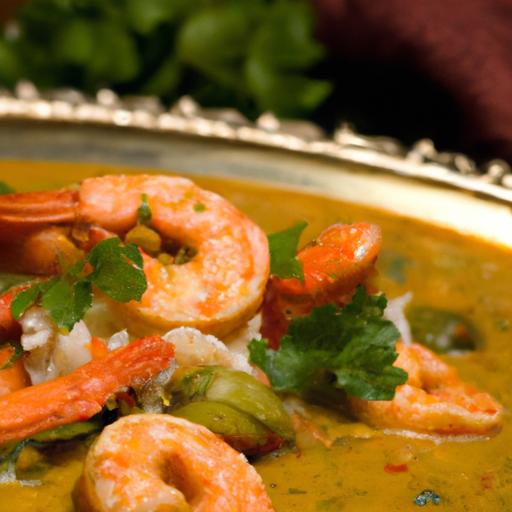



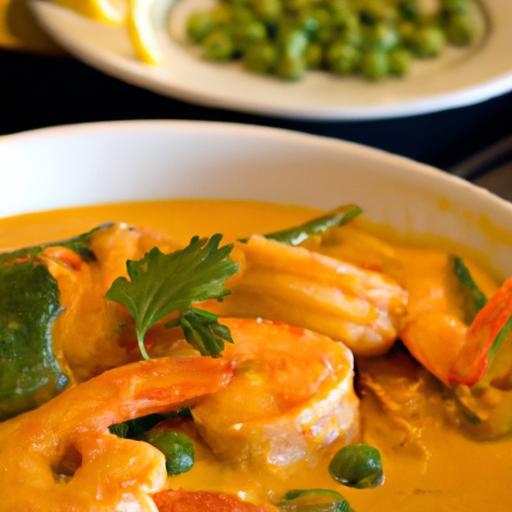
ThereS something undeniably magical about the first bite of a well-crafted prawn curry-where succulent seafood meets a symphony of aromatic spices, creating a dish that’s both comforting and exhilarating. Indian prawn curry, with its vibrant colors and rich, layered flavors, is more than just a meal; it’s a party of coastal heritage and culinary artistry. From the fiery tang of fresh chili and the warmth of turmeric to the creamy embrace of coconut milk, this beloved seafood delight invites food lovers on a sensory journey through India’s diverse regional cuisines. In this article, we’ll dive deep into the essence of savoring Indian prawn curry, exploring its origins, key ingredients, and tips for preparing a dish that captures the heart and palate of this timeless classic.
Savoring Indian Prawn Curry is a journey into a vibrant tapestry of spices, aromas, and textures that celebrate coastal India’s rich culinary heritage.This dish seduces the senses with a warm, spicy palette balanced by fragrant aromatics, delivering prawn curry that is at once comforting and exhilarating. Whether it’s the tang of ripe tomatoes, the earthiness of cumin and coriander, or the distinct warmth from freshly ground garam masala, each spice plays an essential role in elevating the succulent prawns to their full flavorful potential.
Prep and Cook Time
- Preparation: 15 minutes
- Cooking: 25 minutes
- Total: 40 minutes
Yield
Serves 4 generously
Difficulty Level
Medium – Perfect for home cooks eager to master Indian spice balance without overwhelming complexity.
Ingredients
- 500g fresh prawns, peeled and deveined
- 2 tbsp mustard oil (or vegetable oil for a milder flavor)
- 1 large onion, finely chopped
- 4 garlic cloves, minced
- 1-inch piece ginger, grated
- 2 green chilies, slit lengthwise
- 2 large tomatoes, pureed
- 1 tbsp coriander powder
- 1 tsp cumin seeds
- 1 tsp turmeric powder
- 1 tsp red chili powder (adjust to heat preference)
- 1 tsp garam masala
- 1/2 tsp fennel seeds, crushed
- 1/2 cup coconut milk (for creaminess and subtle sweetness)
- Salt to taste
- Fresh coriander leaves for garnish
- Juice of half a lime
Instructions
- Prepare the Prawns: Rinse the prawns under cold water and pat them dry with kitchen towels. This ensures they sear well and don’t release excess moisture.
- Temper the Aromatics: Heat mustard oil in a deep pan over medium heat until it starts to slightly smoke, mellowing its sharpness. Add cumin seeds and allow them to sizzle for 30 seconds.
- Sauté Onions: Add the finely chopped onions and cook until golden brown, about 8-10 minutes.Stir regularly to coax out the sweetness essential to the curry’s base.
- Add Ginger, Garlic & Chilies: Toss in the minced garlic, grated ginger, and slit green chilies. Sauté for 2-3 minutes until fragrant, careful not to burn the garlic.
- Build the Spice Layer: Incorporate turmeric, coriander powder, red chili powder, and crushed fennel seeds. Stir thoroughly, frying the spices for 1 minute to release their essential oils.
- Introduce Tomatoes: Pour in the tomato puree and cook until the oil starts separating from the masala, about 7 minutes. This step deepens the curry’s flavor and balances acidity.
- Cook the Prawns: Add the prawns to the simmering masala.Stir gently, ensuring every piece is coated in the spice blend. Cook until prawns turn pink and opaque, approximately 5-6 minutes.
- Finish with Coconut Milk: Lower the heat and stir in the coconut milk. Simmer gently for another 3-4 minutes to marry the flavors and impart luscious creaminess.
- Adjust and Garnish: Season with salt and finish with a generous squeeze of fresh lime juice. Sprinkle chopped fresh coriander leaves for a refreshing herbal contrast.
- Serve hot with your choice of rice or Indian bread for a memorable meal.
Chef’s Notes: Tips for Success
- Selecting Fresh Prawns: Look for translucent, glossy shells and a sea-fresh aroma. Avoid any that smell overly fishy or have discolored spots.
- Balancing Heat: Adjust the number of green chilies and red chili powder according to your taste,starting conservatively to avoid overpowering the delicate prawns.
- Mustard Oil Choice: If you prefer a milder aroma, substitute with a neutral oil such as grapeseed or vegetable oil without compromising on the cooking method.
- Make-Ahead: Prepare the masala base in advance and refrigerate.Add fresh prawns and coconut milk just before serving for a rapid evening dinner.
- Variations: Incorporate a handful of curry leaves or a sprig of fresh fenugreek for regional authenticity and an extra layer of fragrance.
Serving Suggestions: Elevate Your Curry Experience
The rich, aromatic Indian prawn curry pairs beautifully with fluffy basmati rice or warm, soft naan bread. For a contrasting crunch, serve alongside a crisp cucumber raita or fresh salad made with red onions, tomatoes, and a squeeze of lemon. Garnish the dish with vibrant fresh coriander and thinly sliced green chilies to intensify visual appeal and flavor complexity. A wedge of lime on the side invites diners to add a radiant citrus note on the forkfuls, enhancing the prawn’s natural sweetness.

| Nutrient | Per Serving (approx.) |
|---|---|
| Calories | 320 kcal |
| Protein | 34 g |
| Carbohydrates | 8 g |
| Fat | 15 g |
For in-depth spice blending tips and ideas on enhancing your curry repertoire, explore our Ultimate Guide to Indian Spices or visit Britannica’s Indian Cuisine overview for cultural context and spice origins.
Q&A
Q&A: Savoring Indian Prawn Curry – A Flavorful Seafood Delight
Q1: What makes Indian prawn curry such a beloved dish in coastal regions?
A1: Indian prawn curry captures the essence of coastal culinary traditions by blending fresh, succulent prawns with a medley of aromatic spices, vibrant herbs, and creamy coconut or yogurt-based sauces. The harmony of tangy tamarind, fiery chilies, and fragrant mustard seeds creates layers of flavor that celebrate the sea’s bounty while offering a comforting, hearty meal.
Q2: How do the spices in Indian prawn curry contribute to its unique taste?
A2: The spice palette is the soul of Indian prawn curry. Ingredients like turmeric, cumin, coriander, and red chili powder infuse warmth and depth, while fresh ginger and garlic add sharpness and brightness. The careful balance ensures that each bite is an explosion of layered sensations-from earthy and smoky to sweet and spicy-without overpowering the delicate sweetness of the prawns.
Q3: Are there regional variations of prawn curry in India?
A3: Absolutely! Coastal states like Kerala favor a coconut milk base, resulting in a rich, creamy curry with a subtle sweetness. In contrast, Bengal’s prawn curry often features mustard seeds and mustard oil, delivering a pungent and tangy profile. Goan versions lean on kokum and vinegar for a bright, slightly sour kick. Each region’s version tells a unique story through its distinctive ingredients and cooking methods.
Q4: What’s the best way to prepare prawns for curry to keep them tender and flavorful?
A4: Freshness is key-start with fresh or properly thawed prawns. Marinating them briefly with turmeric,chili powder,and salt helps in tenderizing and enhancing natural flavors. When cooking, prawns should be added towards the end of the simmering process to avoid becoming rubbery. A quick sauté or gentle simmer allows them to absorb the curry’s spices perfectly, retaining their juicy texture.
Q5: Can Indian prawn curry be adapted for those who prefer milder flavors?
A5: Definately. Indian cooking embraces adaptability! You can reduce the quantity of chili powder and fresh green chilies for a gentler heat, while still enjoying the layers of flavor from other spices like coriander and cumin. Using cream or coconut milk can also mellow the intensity, creating a smooth and fragrant curry suitable for all palates.
Q6: What are some ideal side dishes to complement Indian prawn curry?
A6: Indian prawn curry pairs beautifully with steamed basmati rice or fluffy jeera (cumin) rice, which soak up the flavorful sauce.For a heartier meal, try it alongside warm, buttery naan or roti. A crisp cucumber raita or tangy pickled vegetables can provide refreshing contrast, balancing the rich and spicy curry.Q7: Is Indian prawn curry suitable for special occasions or everyday meals?
A7: it’s wonderfully versatile! the dish can be an elegant centerpiece for festive dinners with its vibrant colors and enticing aromas, yet it’s also quick enough for a nourishing weeknight supper. Its comforting and bold flavor profile satisfies both casual cooks and seasoned food lovers craving a taste of the sea with Indian flair.
Q8: How does cooking prawn curry reflect the broader culinary philosophy of Indian cuisine?
A8: Indian prawn curry exemplifies the cuisine’s dedication to balancing flavors-sweet, sour, spicy, and savory-in a harmonious whole. It also celebrates regional diversity through local ingredients and techniques, while emphasizing freshness and spice layering. Ultimately,it’s a dish that invites sharing,connection,and savoring every bite.
the Way Forward
As the rich aromas of coconut, spices, and tender prawns fade from the kitchen, the lasting impression of Indian prawn curry lingers-not just on the palate but in the heart. This vibrant dish, with its perfect balance of heat and creaminess, invites both seasoned cooks and curious food lovers to explore the depths of coastal Indian cuisine. Whether savored with steaming basmati rice or warm, buttery naan, each bite tells a story of tradition, culture, and the sea’s bounty.so next time you crave a flavorful seafood delight, let Indian prawn curry transport you to sun-drenched shores and spice markets alive with color-a culinary journey well worth taking and savoring again and again.