



In the heart of Rome’s bustling trattorias, where culinary tradition meets everyday simplicity, lies a pasta dish that has stood the test of time with effortless elegance-Spaghetti Cacio e Pepe. Translated simply as “cheese and pepper,” this humble recipe transforms just a handful of ingredients into a silky, flavorful symphony that captures the essence of Roman cooking. Far from the elaborate sauces and ornate preparations often associated with Italian cuisine, Cacio e Pepe is a reminder that sometimes, the most exceptional flavors come from the simplest secrets. Join us as we unravel the story behind this iconic dish, exploring its origins, techniques, and why it continues to enchant taste buds around the world.
Origins and Cultural Roots of Spaghetti Cacio e Pepe
Spaghetti cacio e Pepe traces its humble beginnings to the winding cobblestone streets of ancient Rome, where shepherds and working-class Romans crafted a dish from pantry staples: Pecorino Romano cheese, freshly cracked black pepper, and long strands of pasta. This simple yet extraordinary pasta embodies the genius of Roman cucina povera-transforming minimal ingredients into a masterpiece of flavor and texture. I fondly recall my first taste in a small trattoria tucked away from the tourist bustle, where the creamy, peppery sauce clung perfectly to each al dente strand, a true revelation of culinary simplicity.
More than just a recipe, it is a celebration of balance-each ingredient enhancing the others to deliver an experience that is at once rustic and refined. To truly honor the authenticity of spaghetti cacio e pepe, understanding its cultural roots is essential: it’s a dish that celebrates black pepper and Pecorino Romano, ingredients deeply embedded in Italian gastronomy as the Middle Ages.
Mastering the Creamy Cheese and Pepper Emulsion Technique
The magic of this pasta lies in its deceptively simple sauce, created by emulsifying finely grated Pecorino Romano cheese with starchy pasta water and freshly cracked black pepper. As you toss the hot pasta with the cheese and pepper mixture, the heat melts the cheese just enough to create a luscious, silky coating that perfectly envelops every noodle. The key is patience and technique: slowly adding pasta water little by little allows the sauce to thicken without clumping or becoming greasy.
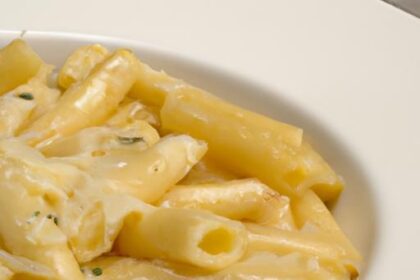
Visualize a glossy,velvety coating that clings lovingly to your fork-this is the hallmark of a prosperous cacio e pepe. The freshly ground pepper should pop with aroma and heat,creating the perfect counterpoint to the salty,tangy notes of the Pecorino.
Choosing the Perfect Pecorino Romano for Authentic Flavor
The backbone of this recipe is Pecorino Romano, a hard sheep’s milk cheese renowned for its sharp, salty tang and granular texture. Unlike mild cheeses, Pecorino Romano delivers a robust flavor that cuts through the simplicity of the other ingredients. For the best results, seek a high-quality, aged Pecorino Romano from trusted producers or Italian specialty shops. Grating the cheese freshly is crucial-pre-grated options often include anti-caking agents that can inhibit melting, risking a clumpy sauce.
Pro tip: Use a fine microplane grater to achieve a light, fluffy cheese texture that dissolves smoothly into the pasta water, forming the creamy emulsion essential to the dish’s signature mouthfeel.
Tips for Achieving the Ideal Pasta Texture Every Time
The pasta is the canvas for your cacio e pepe masterpiece. Opt for spaghetti with a rough surface,such as bronze-cut pasta,which helps the sauce adhere better than smooth,factory-produced varieties. Cooking the pasta to a perfect al dente-tender with a slight bite-is critical. Overcooked pasta will collapse under the weight of the cheese, while undercooked pasta won’t absorb enough water to create the silky sauce.
Reserve at least one cup of the starchy cooking water before draining. The water’s starch content is what binds the cheese and pepper into the familiar creamy consistency.Toss the pasta vigorously off the heat with the cheese and pepper mixture, gradually adding the reserved water, coaxing the snack-worthy emulsion into life right in your pan or mixing bowl.
Prep and Cook Time
- Prep Time: 10 minutes
- Cook Time: 10 minutes
- Total Time: 20 minutes
Yield
Serves 2 generous portions
Difficulty level
Easy – Perfect for home cooks looking to master a classic technique
Ingredients
- 200g (7 oz) spaghetti (preferably bronze-cut)
- 1 cup finely grated Pecorino Romano cheese (freshly grated)
- 2 teaspoons freshly cracked black pepper
- 1 teaspoon fine sea salt (for pasta water)
Instructions
- Bring a large pot of salted water to a boil. Add the spaghetti and cook until al dente, usually about 8-9 minutes or per package instructions. Reserve 1 cup of pasta cooking water before draining the pasta.
- Toast the black pepper. While the pasta cooks, heat a large skillet over medium heat. Add the freshly cracked black pepper and toast for 1-2 minutes until fragrant, stirring frequently to avoid burning.
- Combine cheese and pepper. Off the heat, add half of the reserved pasta water to the skillet with toasted pepper. Gradually whisk in the freshly grated Pecorino Romano to create a creamy base. Add more water as needed to achieve a smooth sauce.
- toss pasta into the sauce. Add the drained spaghetti to the skillet. Toss vigorously with tongs or a fork, adding more reserved pasta water if necessary, until every strand is luxuriously coated in the creamy peppery emulsion.
- Serve immediately. Plate the pasta and garnish with a final grating of Pecorino Romano and an extra crack of black pepper to elevate the experience.
chef’s Notes
- Use freshly cracked pepper and toast it lightly for unmatched aroma and depth.
- If your sauce seems dry or crumbly, add small amounts of pasta water slowly-this liquid is the key to that creamy cacio e pepe texture.
- For a subtle twist, try mixing 3/4 Pecorino Romano with 1/4 Parmigiano Reggiano for added sweetness and meltability without losing authenticity.
- Avoid cold cheese or curds when starting the sauce; room temperature cheese dissolves more evenly.
- Make the dish fresh; the sauce is best enjoyed immediately as it can thicken upon resting.
Serving Suggestions
Present your dish in shallow pasta bowls to showcase the glossy sauce and inviting tangle of spaghetti. Garnish with a few additional twists of freshly cracked black pepper and a fine dusting of Pecorino Romano.A side of lightly dressed arugula or a crisp green salad with lemon vinaigrette pairs beautifully, cutting through the richness and elevating the meal.
Enjoy this straightforward Roman classic with a chilled glass of sparkling mineral water or a crisp white wine like Verdicchio for a truly authentic experience.
| Nutrient | Per Serving |
|---|---|
| Calories | 480 kcal |
| Protein | 18 g |
| Carbohydrates | 68 g |
| Fat | 14 g |

discover more authentic Italian pasta recipes in our Classic Italian Pasta Recipes collection.For an in-depth history of pecorino Romano, visit Pecorino Romano Consortium.
Q&A
Q&A: Spaghetti Cacio e Pepe – The Simple Roman Pasta Secret
Q1: What does “Cacio e Pepe” mean, and why is it so beloved in Roman cuisine?
A1: “Cacio e Pepe” literally translates to “cheese and pepper” in roman dialect. It’s a celebration of simplicity-just three core ingredients creating a symphony of flavors. In Roman cuisine, it’s beloved as it showcases how humble ingredients can shine when handled with care and technique, embodying the heart of Italian cooking.
Q2: What are the essential ingredients for an authentic Spaghetti Cacio e Pepe?
A2: The magic trio consists of high-quality spaghetti, freshly ground black pepper, and pecorino romano cheese. The cheese provides a sharp,salty depth,while the pepper adds a spicy warmth. The simplicity of these ingredients demands precision and balance to transform them into a creamy, comforting dish.
Q3: How does the planning technique elevate Cacio e Pepe from basic pasta to a creamy masterpiece?
A3: The secret lies in the pasta water. The starchy, hot water is gradually mixed with grated cheese and pepper to create a silky emulsion that coats each strand of spaghetti. This technique melds flavors and textures without any cream or butter,relying solely on the ingredients’ natural properties and the cook’s careful timing.
Q4: Can you explain why the type of cheese is so significant in Cacio e Pepe?
A4: Absolutely! Pecorino romano is not just any cheese-it’s a hard, salty sheep’s cheese that delivers robust flavor and a perfect melt. Its sharpness cuts through the pepper’s heat, and as it emulsifies with the pasta water, it thickens into a luscious sauce. Using a different cheese would alter the dish’s iconic balance and texture.
Q5: Is it necessary to use spaghetti, or can other pasta shapes work for Cacio e Pepe?
A5: Traditionally, thinner long pastas like spaghetti or tonnarelli are used because their shape and texture allow for even coating by the cheese and pepper sauce. However, some variations taste delightful with bucatini or linguine. The key is selecting a pasta with enough surface area to catch the creamy sauce without overpowering the delicate balance.Q6: why is freshly ground black pepper preferred over pre-ground pepper in this dish?
A6: Freshly ground black pepper releases essential oils and vibrant notes that pre-ground pepper often loses over time. These bright,sharp peppercorn bursts are what give the dish its signature aromatic heat,contrasting beautifully with the richness of the cheese and the smooth pasta.
Q7: How do you avoid clumping when mixing cheese with pasta water in Cacio e Pepe?
A7: Patience and technique are key. The cheese needs to be finely grated, and the starchy pasta water should be hot but not boiling. Slowly whisking the cheese into the pasta water before combining it with the pasta encourages a smooth, creamy sauce rather of a clumpy mess. Timing and gentle stirring cannot be underestimated.
Q8: What makes cacio e Pepe a perfect dish for home cooks looking for both simplicity and sophistication?
A8: Cacio e Pepe exemplifies how minimal ingredients, when handled with mindful technique, can yield extraordinary results.It teaches patience and respect for ingredients, and because it avoids complexity, it’s accessible but still elegant-offering home cooks a sense of achievement and a taste of Roman culinary tradition in just minutes.
Q9: Are there any tips for serving Spaghetti Cacio e Pepe to make the experience authentic?
A9: serve it immediately, while the sauce is warm and creamy, on simple white plates to let its golden pepper-speckled beauty shine. Freshly grind a final dusting of pecorino and black pepper on top for a fragrant flourish. Pair it with a crisp salad or seasonal vegetables to balance the richness.
Q10: How does Cacio e Pepe reflect Roman culture beyond just being a pasta dish?
A10: This dish mirrors Rome’s ethos of resourcefulness and elegance-turning limited,local ingredients into culinary treasures. It honors tradition while inviting creativity, reflecting the city’s vibrant spirit where simplicity and passion coexist. With each bite, you taste history, community, and the art of making the ordinary extraordinary.
The Way Forward
As you twirl your fork into the glossy, pepper-speckled strands of spaghetti cacio e pepe, you’re not just savoring a meal-you’re partaking in a centuries-old Roman tradition. This deceptively simple dish, with its humble ingredients and flawless technique, reminds us that sometimes the most profound culinary pleasures come from embracing simplicity.So next time you crave comfort on a plate, remember the secret whispered through the cobblestone streets of Rome: great food doesn’t need to be complicated-it just needs a little cheese, a crack of black pepper, and a whole lot of heart.