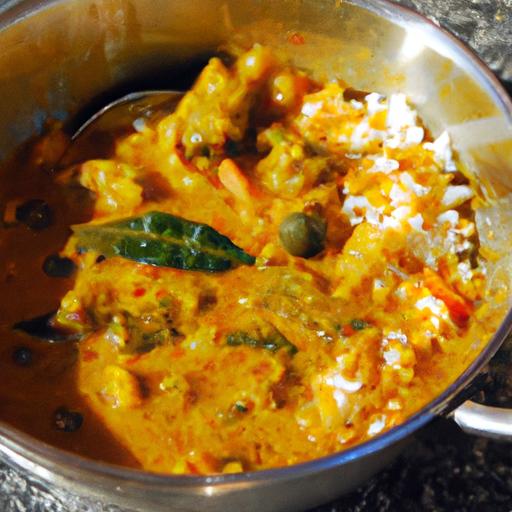




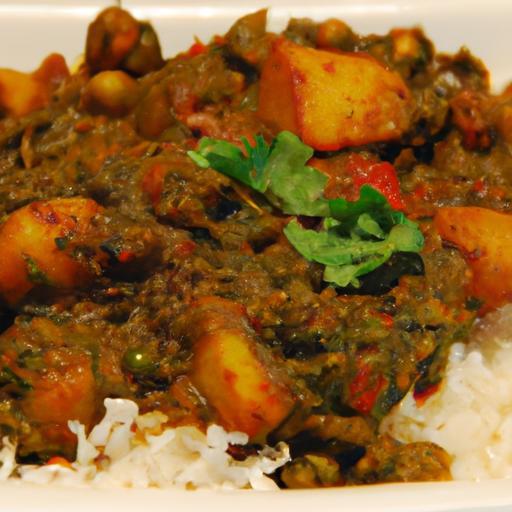
There’s a symphony of flavors simmering in the heart of every Indian curry-a vibrant blend of spices, herbs, and wholesome ingredients that not only delight the palate but also nourish the body. In a world increasingly focused on wellness, these culinary treasures offer more than just taste; thay present a path to healthier living through tradition and creativity. Welcome to “Spice Up Wellness: Crafting Healthy Indian Curries at Home,” where we explore how to transform classic curry recipes into nutrient-rich, balanced meals bursting with flavor and vitality. Whether you’re a seasoned cook or a curious beginner, join us as we unlock the secrets to wellness wrapped in the fragrant embrace of Indian spices.
Selecting Authentic Spices for Vibrant Flavors and Health Benefits
Spice Up Wellness is not merely about bold taste-it’s an invitation to explore the heart of Indian curries through the intentional use of authentic spices. the foundation of every memorable curry lies in ingredients like fresh turmeric, Ceylon cinnamon, and whole cumin seeds, each bursting with vibrant flavor and potent health properties.
Choosing spices in their whole form and grinding them freshly preserves essential oils responsible for deep aroma and bioactive compounds that support digestion, inflammation reduction, and metabolic balance. I find that a pinch of freshly cracked black pepper harmonizes these spices to enhance their benefits while teasing your palate with a subtle heat profile that never overwhelms.
balancing Heat and Nutrition with Fresh Ingredients and herbs
To Spice Up Wellness effectively, fresh herbs like cilantro, curry leaves, and fenugreek play indispensable roles. These greens not only elevate the dish visually but inject a garden-fresh brightness and an extra dose of antioxidants. When balancing heat, I always reccommend tempering dried red chilies with cooling ingredients such as grated coconut or yogurt, which mellow spiciness and amplify the curry’s nourishing qualities.
Incorporating fresh ginger and garlic paste amplifies the earthy depth of flavors while benefiting immunity and digestion. When selecting these, choose ginger with a smooth skin and firm texture, as it packs more zing and enzymes compared to older varieties.
Mastering Traditional Techniques to Enhance Curry Texture and Aroma
Elevating your curries requires patience and respect for traditional methods. Toasting whole spices in a dry pan until they release enticing aromas awakens their oils-don’t rush this step. Coarsely grinding toasted spices allows for a rustic texture that disperses flavor beautifully. When tempering, use ghee or mustard oil at medium heat and introduce aromatics in stages. For example, begin with mustard seeds until they pop, add onions until translucent, then fresh garlic and ginger to build layers of flavor.
Simmering the curry gently after adding liquids develops a rounded, velvety texture and a fragrant bouquet that fills your kitchen. This slow melding process invites the spices and herbs to fuse,creating the soul-stirring aroma known and loved across indian kitchens.
Incorporating Superfoods to Elevate the Wellness Quotient of Your Curries
Supercharge your curries by thoughtfully incorporating nutritious powerhouses such as spinach, mung beans, and turmeric. Adding leafy greens towards the end of cooking retains their vibrant color and precious vitamins like A and C. Lentils and beans lend satisfying texture as well as plant-based protein and fiber, enhancing the curry’s satiety and health profile.
For a modern spin on tradition, sprinkle in toasted flax or hemp seeds before serving to boost omega-3 fatty acids, or stir in small amounts of chia seeds to thicken the sauce naturally.These wholesome additions complement and uplift the curry’s flavor while bringing vibrant health benefits to your table.
Prep and Cook time
- Planning: 20 minutes
- Cook Time: 40 minutes
- Total Time: 1 hour
yield
Serves 4 generous portions
Difficulty Level
Medium – perfect for home cooks looking to deepen their mastery of indian spices and techniques
Ingredients
- 2 tsp cumin seeds, whole
- 1 tsp coriander seeds, toasted
- 1/2 tsp black peppercorns
- 1 small cinnamon stick (ceylon)
- 4 green cardamom pods, lightly crushed
- 1/2 tsp turmeric powder, fresh if available
- 2 tbsp ghee or mustard oil
- 1 large onion, finely sliced
- 1.5 tbsp fresh ginger paste
- 1 tbsp fresh garlic paste
- 2 medium tomatoes, finely chopped
- 1/2 cup mung beans, soaked for 2 hours
- 1 cup fresh spinach leaves, washed and chopped
- 1/4 cup plain yogurt, whisked (optional)
- 1 tsp red chili flakes (adjust to taste)
- 1 tsp fenugreek leaves, dried or fresh
- Salt to taste
- Fresh cilantro for garnish
- 1 tbsp toasted flax seeds (optional)
Instructions
- Toast whole spices. Place cumin seeds, coriander seeds, black peppercorns, cinnamon stick, and cardamom pods in a dry skillet over medium heat.Toast for 2-3 minutes until fragrant, stirring constantly to prevent burning. Cool and grind coarsely with a mortar and pestle.
- Heat ghee or oil. In a heavy-bottomed pan set to medium, melt ghee until shimmering. Add cumin seeds and let them crackle for 30 seconds.
- Sauté onions. Add sliced onions to the pan and cook until golden brown and caramelized, about 8-10 minutes. Stir frequently to avoid scorching.
- Add ginger and garlic paste. Stir in and cook for 2 minutes until the raw smell dissipates,releasing that warm,pungent aroma.
- Incorporate tomatoes and spices. Mix in chopped tomatoes, turmeric, red chili flakes, fenugreek, and the freshly ground spice blend. Cook until tomatoes break down and the paste thickens, about 7 minutes.
- Cook mung beans separately. Boil soaked mung beans in water with a pinch of salt until just tender but holding shape, about 15-20 minutes. Drain and set aside.
- Combine beans with curry base. Add cooked mung beans to the pan, stirring well. Adjust salt and simmer gently for 10 minutes so flavors meld and sauce thickens.
- Add spinach and yogurt. Fold in fresh spinach leaves; allow to wilt, about 2-3 minutes. Stir in yogurt gently to enrich texture without curdling. Cook off gentle heat for another 2 minutes.
- Finish with garnish. Remove from heat. Sprinkle toasted flax seeds and chopped cilantro over the curry for added texture and vibrant color.
- Serve warm. Pair with steamed basmati rice or whole wheat roti for a harmonious, wholesome meal.
Chef’s Notes
- For extra texture and protein, substitute mung beans with red lentils or chickpeas.
- If turmeric powder is unavailable fresh, use 1/2 tsp to preserve color and medicinal benefits.
- To make this curry vegan, replace ghee with mustard or coconut oil and omit yogurt or use coconut yogurt.
- toast flax seeds just before serving to retain their crunch and nutty flavor.
- Make-ahead tip: Curry can be refrigerated for up to 3 days; flavors intensify overnight.
Serving suggestions
This curry shines brightest accompanied by fragrant steamed basmati rice or warm, thin whole wheat rotis.Garnish liberally with fresh cilantro and a wedge of lime to add brightness. For visual contrast, serve alongside a crunchy cucumber raita or fresh veggie salad. A drizzle of homemade coconut cream adds an indulgent swirl that’s as elegant as it is nourishing.

| Nutrient | Amount per Serving |
|---|---|
| Calories | 280 kcal |
| Protein | 14 g |
| Carbohydrates | 30 g |
| Fat | 9 g |
| Fiber | 8 g |
For a deeper understanding of Indian spices and their health benefits,visit the National Institutes of Health article on Medicinal Spices. Also,explore our Indian Spice Blends Guide to enhance your home cooking repertoire further.
Q&A
Q&A: Spice Up Wellness – Crafting Healthy Indian Curries at Home
Q1: What makes Indian curries a great choice for a healthy meal?
A: Indian curries are a vibrant fusion of spices, vegetables, legumes, and lean proteins, making them nutrient-dense and packed with antioxidants. The spices not only enhance flavor but frequently enough offer anti-inflammatory and digestive benefits, turning every bite into a wellness boost.
Q2: How can I reduce calories in traditional Indian curries without sacrificing flavor?
A: Use lighter cooking methods such as steaming or sautéing with minimal oil, substitute cream or full-fat yogurt with low-fat Greek yogurt or coconut milk, and emphasize plenty of fresh vegetables and legumes. Spices like turmeric, cumin, coriander, and garam masala add depth without added calories.
Q3: Which Indian spices are considered especially beneficial for health?
A: Turmeric is renowned for its anti-inflammatory properties, cumin aids digestion, coriander has detoxifying effects, and fenugreek helps regulate blood sugar. Incorporating these spices not only layers your curry with complex flavors but also contributes to holistic well-being.
Q4: Can vegetarian curries be as satisfying as meat-based ones?
A: Absolutely! Indian cuisine shines with its rich vegetarian curries using ingredients like chickpeas, lentils, paneer, and an array of vegetables. These ingredients provide ample protein and fiber, keeping you full and nourished, while traditional spices add satisfying warmth and complexity.
Q5: How do I balance heat and flavor when crafting a curry at home?
A: Start with small amounts of fresh chilies or chili powder and build gradually, keeping in mind the gradual release of spice flavors in cooking. Complement the heat with cooling elements such as yogurt or a squeeze of lime to create harmony on the palate.
Q6: What tips help beginners make authentic yet healthy Indian curries?
A: Focus on fresh ingredients and whole spices rather than pre-made curry pastes loaded with sodium.Toast whole spices before grinding for extra aroma, use fresh ginger and garlic liberally, and simmer your curries gently to develop rich flavors without needing cream or excessive oil.
Q7: are there any staples I should keep in my pantry for easy, healthy curries?
A: Keep a vibrant spice collection including turmeric, cumin seeds, coriander powder, garam masala, mustard seeds, and fenugreek leaves. Stock up on lentils (like red or yellow dal), canned tomatoes, coconut milk, fresh garlic, ginger, onions, and a variety of vegetables for endless healthy curry creations.
Q8: How can Indian curries fit into a balanced weekly meal plan?
A: Indian curries offer versatile options-protein-rich dals on meatless days, vegetable-packed curries for lighter meals, and poultry or seafood curries for variety. Pair them with whole grains like brown rice or millet, and fresh salads or raita to round out a nutritious spread.
Q9: What cooking techniques are key to making a curry both healthy and flavorful?
A: Start by tempering whole spices in a small amount of oil to release essential oils and maximize flavor. Use simmering and slow cooking to tenderize ingredients gently, preserving nutrients. Avoid excessive frying and heavy cream in favor of roasting spices, blending fresh purees, and using natural thickening agents like pureed vegetables or lentils.Q10: How do Indian curries support digestive health?
A: Many spices common in Indian cooking,such as cumin,fennel,mustard seeds,and coriander,stimulate digestion and soothe the gut. Incorporating fiber-rich vegetables and legumes also promote healthy digestion, making curry not just flavorful but digestively harmonious.
With these tips and insights, your journey into healthy Indian curries at home becomes not just a culinary adventure but a pathway to vibrant, flavorful wellness.
Key Takeaways
As the aromas of turmeric, cumin, and coriander weave through your kitchen, crafting healthy Indian curries at home becomes more than just a meal-it’s a party of wellness and tradition. By embracing fresh ingredients and mindful cooking techniques, you not only nourish your body but also honor centuries of vibrant culinary heritage. So,let your spice rack become a palette for creativity,your stovetop a canvas for health,and every simmering pot a step toward a flavorful,wholesome lifestyle. Here’s to spicing up wellness, one delicious curry at a time!