



Curry- a dish that transcends borders and cultures, cloaked in vibrant hues and tantalizing aromas.Yet, amid the dazzling array of gourmet blends and exotic fusions, it’s the humble, regular curry that continues to captivate palates worldwide. What is it about this everyday staple that holds such enduring charm? In this article,we embark on a flavorful journey to unlock the secrets behind regular curry’s timeless appeal,delving into its rich history,essential ingredients,and the subtle alchemy that transforms simple spices into a comforting,soul-satisfying feast. Prepare to discover how ordinary elements combine to create an exceptional culinary experience that has won hearts across generations.
Balancing spices and Mastering Techniques to Elevate Your Curry
Unlocking the flavor behind regular curry begins with the thoughtful combination of spices and freshness of ingredients. This dish is a beautiful dance of heat, aroma, and texture, brought to life by balancing the sharpness of spices with the natural sweetness of fresh produce. Originating from diverse culinary traditions, this beloved staple carries warmth and comfort in every spoonful, inviting you to create a sensory experience in your own kitchen.
Prep and Cook Time
- Readiness: 20 minutes
- Cooking: 45 minutes
Yield
Serves 4 hearty portions
difficulty Level
Medium - approachable for passionate home cooks ready to immerse themselves in layering flavors
Ingredients
- 2 tbsp vegetable oil or ghee
- 1 large onion, finely chopped
- 4 cloves garlic, minced
- 1-inch piece ginger, grated
- 2 tbsp curry powder (blend of turmeric, cumin, coriander, fenugreek, and chili)
- 1 tsp garam masala
- 1/2 tsp ground cinnamon
- 1/2 tsp smoked paprika
- 1 tsp mustard seeds
- 3 medium ripe tomatoes, chopped
- 1 cup coconut milk (full fat)
- 500g boneless chicken thighs or firm tofu for vegetarian option, cut into bite-sized pieces
- 1 cup diced potatoes (optional for heartiness)
- 1 cup fresh coriander (cilantro), chopped
- Salt and freshly ground black pepper, to taste
Instructions
- Warm the oil gently in a heavy-bottomed pan over medium heat. Add the mustard seeds and wait until they begin to pop,releasing their nutty aroma.
- Sauté the onions until they turn golden brown, about 8-10 minutes. This caramelization is crucial, building a deep flavor base.
- Add the garlic and ginger, stirring for 2 minutes until fragrant but not browned.
- Blend in the dry spices-curry powder, garam masala, cinnamon, and smoked paprika. Toast them for 1-2 minutes, releasing the essential oils that unlock their complexity.
- Stir in the chopped tomatoes and cook down until the mixture thickens and darkens, about 10 minutes. This slow reduction intensifies the curry’s natural sweetness.
- Add the chicken or tofu and potatoes, stirring to coat them thoroughly in the spice mixture.
- Pour in the coconut milk, stirring gently. Bring the curry to a simmer and cover, allowing the flavors to marry over medium-low heat for 25-30 minutes.
- Season with salt and pepper to taste, stirring occasionally. If the sauce thickens too much, add a splash of water or broth to adjust the consistency.
- Finish with fresh coriander just before removing from heat, adding a burst of herbaceous brightness.
Tips for Success
- Use fresh, whole spices where possible, grinding them yourself to maintain pungency and depth.
- Take your time caramelizing onions – this foundational step cannot be rushed and will enrich every bite.
- Adjust spice levels gradually, tasting as you go. Adding chili powder or fresh chopped chilies lets you tailor heat personally.
- make it ahead: Curries often taste better the next day, as resting allows flavors to meld more completely.
- For vegetarian options, swap chicken for hearty vegetables like cauliflower or chickpeas, perfect for soaking up the sauce.
Serving Suggestions
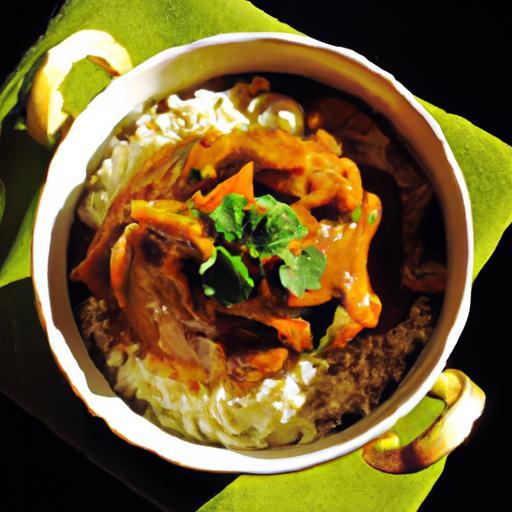
Present your curry in deep bowls alongside fragrant basmati rice or soft, warm naan bread. Garnish with extra fresh coriander leaves and a squeeze of lime to add a tangy contrast. For a colorful finish, scatter roasted cashews or a dollop of cooling yogurt on top, balancing the spices with creamy textures.

| Nutrient | Per Serving |
|---|---|
| Calories | 380 kcal |
| Protein | 28 g |
| Carbohydrates | 22 g |
| Fat | 18 g |
For further inspiration on spice blends and their cultural significance, visit Encyclopaedia Britannica’s curry page. Also explore our guide to homemade spice blends to deepen your flavor expertise.
Q&A
Q&A: Unlocking the Flavor: The Secrets Behind Regular Curry’s Charm
Q1: What makes regular curry so irresistibly flavorful?
A1: At the heart of regular curry’s charm lies its harmonious blend of spices-often lovingly roasted and ground fresh-which create layers of taste. From the warm earthiness of turmeric to the subtle heat of chili, each ingredient contributes complexity. The slow simmering process allows these flavors to meld, resulting in a deeply comforting, rich profile that feels both familiar and exciting.
Q2: How do the key spices in regular curry influence its overall taste?
A2: Spices like cumin, coriander, and cardamom build the foundational aroma and warmth, while ginger and garlic inject a lively zing. Fenugreek adds a unique bitterness that balances sweetness, often introduced by onions or tomatoes in the base.This careful balance of spice and aromatics crafts curry’s signature depth.Q3: Why is the base of the curry so important?
A3: The curry base-usually a combination of sautéed onions, garlic, and ginger-is where magic begins. Caramelizing the onions brings out natural sweetness, which counteracts the pungency of spices, creating a mellow, velvety canvas. This base not onyl enhances flavor but also influences the texture and mouthfeel of the final dish.
Q4: What role does slow cooking play in unlocking curry’s flavor?
A4: Patience is key-slow cooking allows the diverse ingredients to marry and intensify. As the curry simmers gently, the spices release their essential oils, infusing the sauce deeply. This extended cooking time also tenderizes any additions like vegetables or meat,resulting in harmonious bites bursting with flavor.
Q5: Can the type of oil used impact the taste of regular curry?
A5: Absolutely. Oils like mustard seed oil, ghee, or coconut oil add distinct layers of flavor. For example, mustard seed oil lends a slightly pungent, nutty aroma, while ghee provides richness and depth. Even neutral oils can serve as carriers for spice tempering, a crucial step that unlocks the fragrance locked in whole spices.
Q6: How do regional variations affect the flavor profile of regular curry?
A6: Regional influences introduce subtle differences-some curries lean toward spicy heat, while others embrace sweetness or creaminess. the choice of local spices, cooking fats, and fresh herbs tweaks the traditional base, offering a glimpse into diverse culinary cultures, all united under the umbrella of “regular curry.”
Q7: What simple tips can home cooks use to deepen their curry’s flavor?
A7: Start by toasting whole spices before grinding to awaken their aroma. Use fresh ginger and garlic pastes, and don’t rush the sautéing of onions. Adding a pinch of salt at the right moment helps balance flavors. letting the curry rest off heat for a few minutes before serving allows flavors to settle and intensify.
Q8: Why does regular curry have such universal appeal despite its regional roots?
A8: Regular curry resonates globally because it strikes a perfect chord between familiarity and adventure. It’s comfort food that warms the soul, yet its bold spices invite curiosity. This blend of tradition and vibrant flavor versatility allows it to adapt,making it beloved across cultures and kitchens worldwide.
In Retrospect
As we’ve discovered, the true allure of regular curry lies not in exotic extravagance, but in its harmonious simplicity-the delicate dance of everyday spices, the comforting warmth woven into every bite, and the stories simmering beneath its surface.Unlocking these secrets reveals why regular curry continues to captivate taste buds around the world, proving that sometimes, the most extraordinary flavors come from the most familiar places. So next time you savor a humble curry, remember: you’re experiencing a timeless culinary magic that’s both ordinary and exceptional, waiting quietly to be appreciated with every spoonful.